
CONNECT THE INDOOR PATCH WITH THE BUILDING OUTSIDE
Mould Inspection Wandsworth
A mark that grows darker after rain asks a different question from a wet bedroom window at dawn. We inspect properties in Wandsworth with that distinction in mind, looking at the room, accessible building details and the history of when moisture appears.
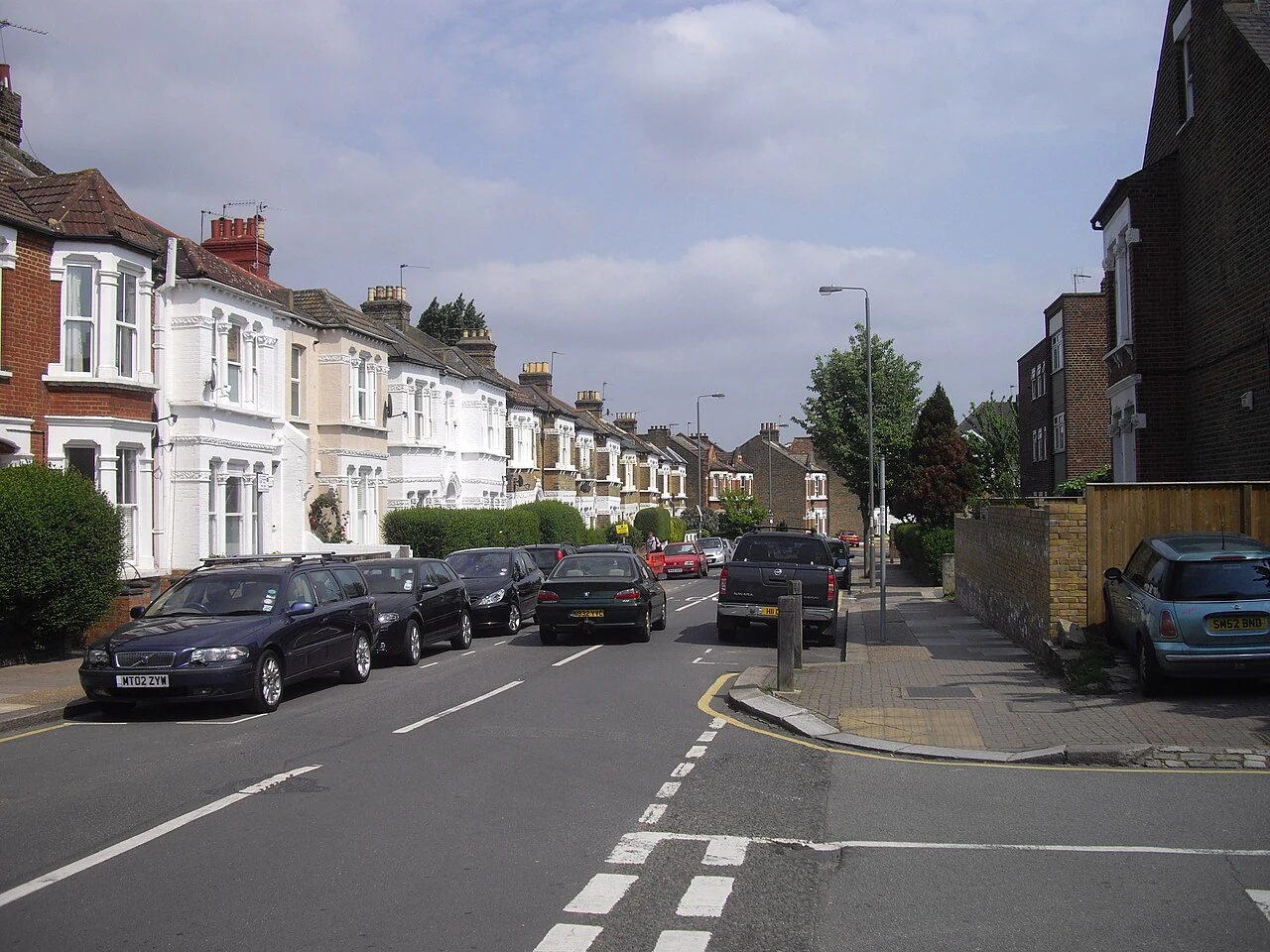
Reference photograph: PAUL FARMER (CC BY-SA 2.0); resized, converted to WebP and displayed with layout crops. Not evidence of a company job.
- Relate indoor staining to the timing of rainfall
- Consider gutter and wall evidence without jumping to conclusions
- Plan any checks beyond the boundary of the affected room
Why the local property context is useful
Wandsworth Town’s council appraisal describes terraced and semi-detached housing alongside flats in contemporary mixed-use developments. The description applies to the conservation area studied. It helps explain why the inspection needs the actual property type, rather than an assumption that every Wandsworth address is the same.
A roof-edge stain in a house presents different access questions from a mark on the ceiling of a managed flat. Give us the room level and any known maintenance history. Where the exterior is shared or controlled by an agent, identifying who can arrange access is part of making the investigation practical.
For the defined-area building context, see the Wandsworth Town conservation area appraisal.
Use rainfall as evidence, without deciding the cause too early
If you have noticed the patch worsen after rain, record the change and how long it takes to show. That timing can support questions about water entering the building. It does not identify the exact gutter, joint or wall defect from a distance.
Visible overflow or outside staining may make checks of gutters and external water routes relevant. Clearing a blockage, repairing a failed joint and dealing with a wet internal finish are different tasks. The investigation should explain which of them is supported by the evidence.
A room can have more than one moisture story
A damp wall and morning condensation can exist together. Compare which areas become wet, whether nearby surfaces dry differently and whether plumbing use changes the pattern. That information prevents one plausible explanation from excluding another source without a check.
For a persistent patch that does not track rainfall, tracing an accessible or concealed water source may be worth discussing. A room next to a bathroom or kitchen deserves attention to the relevant layout, but proximity alone is not proof of a leak.
What can be checked during the visit?
We review the history and examine affected areas that can be reached within the appointment scope. Moisture observations, surface condition and accessible surroundings are considered together. Tell us beforehand about high-level gutters, locked service areas or a roof space that cannot be accessed.
A focused mould and moisture inspection should leave the next questions clearer. If evidence points to a part of the building that remains inaccessible, we explain that limitation and the reason for seeking further checks. The appointment is not a promise that every hidden route of water will be confirmed in one visit.
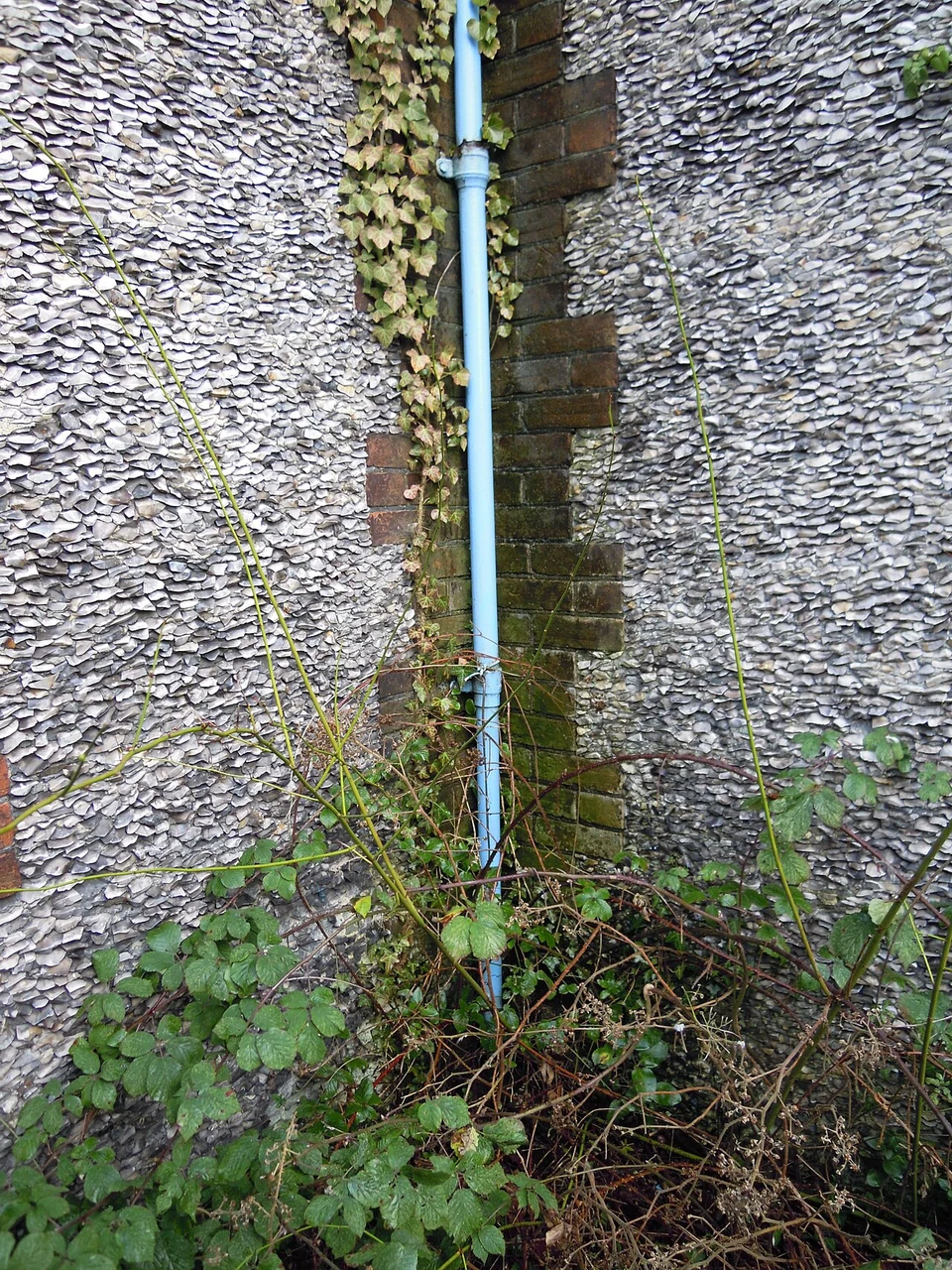
Reference photograph: Kolforn (CC BY-SA 4.0); resized, converted to WebP and displayed with layout crops. Not evidence of a company job.
Treating the room after the source has been considered
An internal finish may stay affected after incoming water has been stopped. Its condition and the extent of mould need assessment before deciding whether treatment or replacement is appropriate. Explain any repair already carried out so it can be considered alongside the present evidence.
Our mould removal service concerns the affected surfaces within an agreed scope. It does not automatically repair an external defect or hidden pipe. Understanding that separation helps you arrange the required work without paying repeatedly for a surface improvement that leaves the water source untouched.
What to watch after repair or treatment
Monitoring should relate to the original question. If rainfall was the useful clue, compare the area after later rain and note new staining rather than relying only on how it looks immediately after decoration. If extraction was involved, observe whether moisture clears differently from the room.
You do not need to create an elaborate record. A few dated observations and photographs can help explain an improvement or a continuing issue. Report a new leak or a changed symptom as new information, rather than assume it must be the same problem returning.
Nearby areas we cover
Questions about indoor and external moisture
Does a stain after rain mean the gutter needs cleaning?
It makes external water worth investigating, but it does not identify the exact source. The gutter condition, wall evidence and timing should be considered before deciding that cleaning rather than repair is the appropriate job.
What if the affected room is in a managed building?
Explain who controls access to the outside or shared parts. The accessible findings can guide the next request to the owner or agent, but further confirmation may require their arrangements.
Can you assess an old stain after the exterior has been repaired?
Tell us what was repaired and when. We can discuss the present surface and moisture concern, while recognising that an inspection during a dry period may not reproduce the earlier conditions.
Why mention a bathroom if the patch appears on another wall?
Water can become visible away from its starting point. The property layout helps identify sensible avenues to check. The nearby bathroom remains a possibility to investigate, not a diagnosis based on proximity.
Do you check every external part of the building?
No automatic whole-building scope is implied. Discuss the affected area, building height and access requirements. Some exterior checks may need a separate arrangement or specialist access.
What details should I give for a rain-related problem?
Describe the room, when the patch changes, any outside staining you have seen and previous roof or gutter work. Photos of a visible change are useful; do not attempt unsafe access to obtain them.
Should I arrange high-level access myself?
Describe the access already available and any restrictions. The appropriate arrangement depends on the agreed checks and the building. Do not climb to a gutter or roof simply to collect evidence for the appointment.
Can the problem be unrelated to rain even if it appears in winter?
Season and rainfall are different clues. A patch may coincide with colder indoor surfaces or changes in occupancy. Describe the actual timing rather than deciding that a winter problem must originate outside.
Tell us when the patch changes.
Mention the last rainfall-related change, the room’s position and any earlier repair. We will discuss how to approach the moisture question at your Wandsworth address.