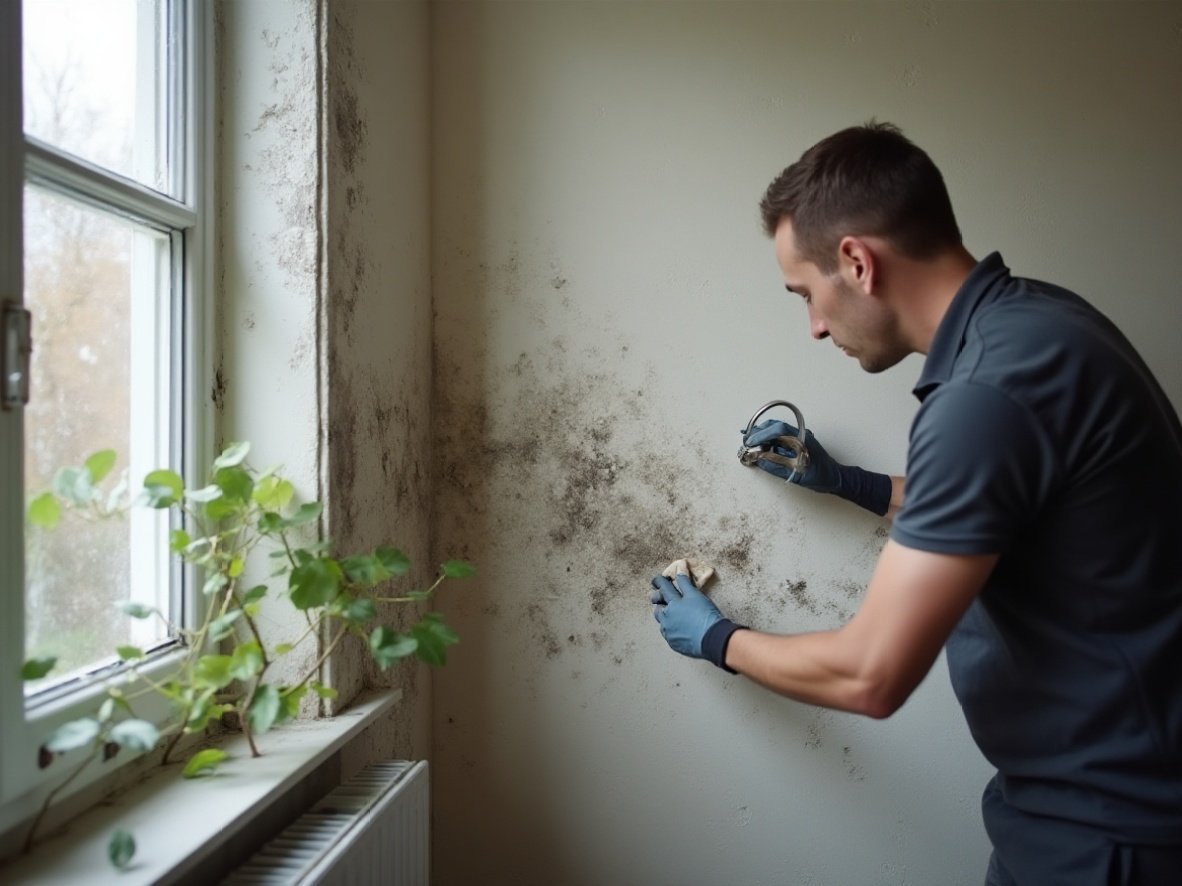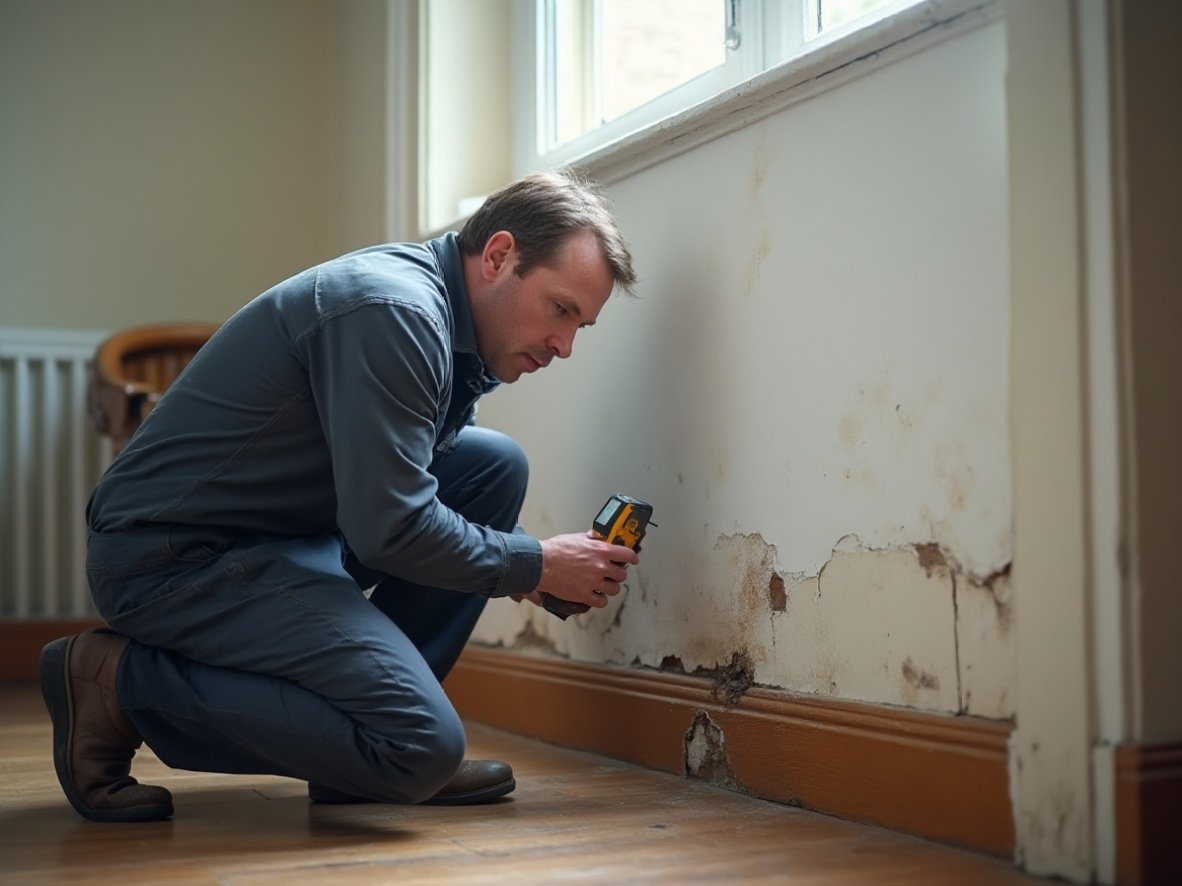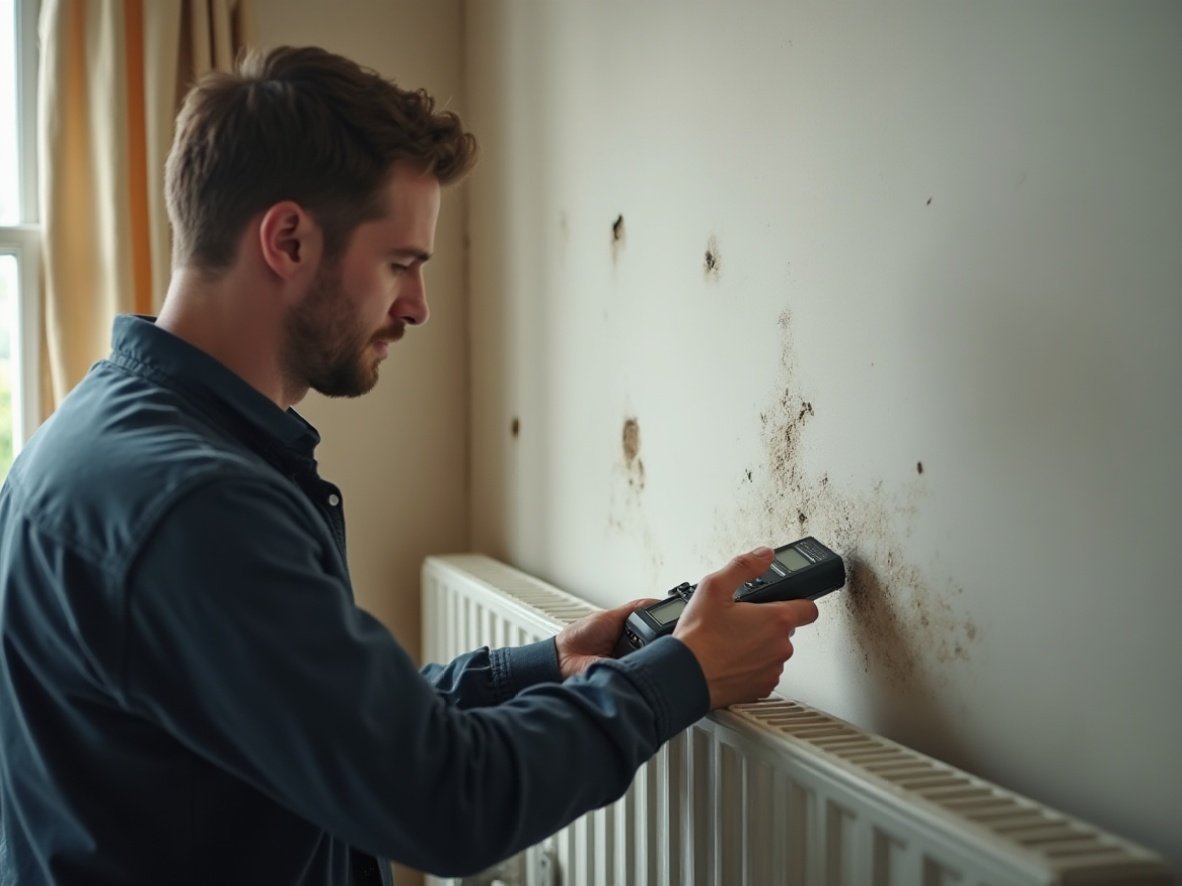
Proper Cause Detection
We don’t just remove visible mould. We identify whether it’s condensation, damp, or a hidden leak before treating it.
Condensation problems are common in London properties, especially where airflow is limited or windows are kept closed for long periods. At Mould Inspection London, we assess how moisture moves through your home and what’s causing it to settle in the first place.





Mould kept coming back behind our wardrobe no matter how many times we cleaned it. The technician explained it was condensation getting trapped against the wall. After the treatment and moving the furniture slightly, it hasn’t returned.
Booked them after trying to deal with it myself for months. What I liked is they didn’t just clean it and leave — they explained why it was happening and what to change. Feels properly resolved now.
We had mould on the ceiling near the bathroom and thought it was just poor cleaning. Turned out the extractor fan wasn’t working properly. They sorted the mould and explained what needed fixing.
I was expecting a quick clean, but they pointed out a small leak I hadn’t noticed. That explained why the mould kept coming back. Glad we dealt with it properly instead of just covering it up again.
The mould around our windows was getting worse every winter. The visit was straightforward, no overcomplicating things. They treated the areas and explained how to manage condensation better. Big improvement since.
We had a constant musty smell in the bedroom and didn’t realise it was mould starting in the corner. They didn’t rush the job — first checked the room properly, then treated the area. Also gave practical advice that actually made sense.

Condensation isn’t constant — it changes depending on how the space is used and how the property holds heat. In many London homes, we see humidity levels rise quickly in the evening and overnight, then drop again during the day when windows are opened or heating is used. The problem is when that moisture doesn’t clear properly and keeps settling on the same surfaces.
A recent check in a flat in Camden showed high moisture build-up in the bedroom, even though the rest of the property was fine. The tenant worked late, kept the windows closed, and dried laundry indoors. By morning, the walls near the window were damp to the touch. It wasn’t a structural issue — it was a combination of lifestyle and restricted airflow.
Heating also plays a bigger role than most people think. When rooms are heated inconsistently, surfaces cool down faster, especially external walls. That creates a difference between warm air and cold surfaces, which is exactly when condensation forms. We often see this in properties where heating is turned off overnight or used only in short bursts.
Ventilation problems are not always obvious. Some properties technically have vents or extractor fans, but they’re not effective enough for the level of moisture being produced. In kitchens, for example, we regularly find extractors that don’t vent outside properly, which means the humid air just circulates back into the room.
In bathrooms, it’s common for fans to be switched off too early. Moisture doesn’t disappear the moment a shower ends — it lingers in the air and settles if not removed. Leaving extraction running for longer helps reduce surface condensation, especially on ceilings and upper wall areas.
There are also cases where improving ventilation isn’t straightforward. In some buildings, especially converted flats, adding new vents or upgrading systems can be limited by the structure. In those situations, we focus on practical adjustments — managing air movement, reducing moisture at the source, and identifying the areas most at risk.
The key is understanding that condensation isn’t caused by one thing alone. It’s a balance between moisture production, temperature differences, and ventilation performance. Once those are aligned, the environment becomes much more stable and far less likely to develop ongoing mould problems.
Recurring Mould Solved
We regularly deal with mould that keeps coming back — identifying the real cause before treating it properly.
Cause, Not Just Cleaning
We don’t just remove surface mould. We check moisture levels, airflow, and hidden issues behind the problem.
Built for London Homes
From compact flats to older properties, we understand how mould develops in real London living conditions.
Clear, Practical Advice
You’ll know exactly what caused the issue and what needs to change to stop it returning.