
AFTER THE WATER HAS BEEN STOPPED
Mould Inspection Putney
A repaired leak and a dry-looking wall are two different milestones. If mould has appeared after water damage in your Putney home, we look at the repair history, the materials that became wet and the evidence for drying before discussing another round of decoration.
- Connect new growth with the original water incident
- Check finishes that may hide slower-drying materials
- Separate residual moisture from a fresh source
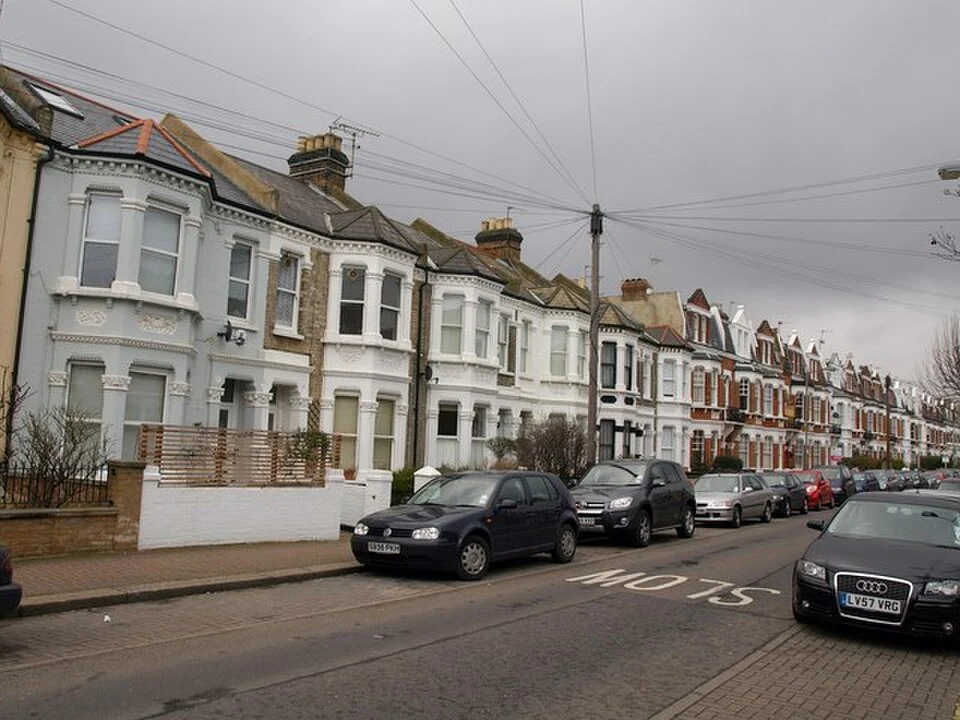
Property reference photograph; not a company job. Photo: Derek Harper · CC BY-SA 2.0 (resized WebP).
What changed between the leak and the mould?
Start with the dates rather than the colour of the patch. Note when water was first noticed, what was repaired, when drying equipment ran and when the room was decorated again. A wall that has become discoloured after those events may still be holding moisture, may be receiving more water, or may have a separate condensation problem. The order of events helps decide which possibility to investigate first.
Include photographs taken before the work if you have them. The original wet area can be larger than the visible mark remaining today, especially where water reached a floor edge, the back of a fitted cupboard or another room. Our inspection of the affected building materials starts with those connections, not a promise that a freshly painted surface proves the problem is finished.
Drying the room is not necessarily drying the assembly
Plaster, timber, insulation and floor coverings do not all respond to wetting in the same way. A room can feel comfortable while moisture remains behind a finish. Equally, a high reading from a surface instrument needs interpretation against the material and measurement method; it should not be turned into a diagnosis simply because the display looks alarming. Tell us which coverings were removed and which stayed in place. Where safe access is available, comparisons between affected and apparently unaffected areas can help establish a pattern. A concealed layer may require a different check, agreed separately. We explain the unanswered question before recommending an opening, rather than assuming that every water incident requires extensive stripping.
Was the repair complete, or has the route changed?
A stain beneath a bathroom that becomes wetter after bathing deserves attention to plumbing and seals. A patch responding to rain calls for a different enquiry. Morning droplets on a nearby cold window may add an indoor moisture influence without explaining all the damage. Several sources can affect the same room, so the original leak does not automatically explain every later mark.
The concealed water-source assessment is relevant when the repair location and continuing symptoms do not match. Have the plumber’s findings available, including any parts replaced and tests completed. We do not repeat plumbing tests by assumption or describe a moisture inspection as a guarantee that every pipe in the property is sound.
Plan the visit around what is still accessible
Explain whether the affected wall is behind kitchen units, a bed, fitted joinery or a newly laid floor. Small movable items can be cleared where practical, but do not dismantle furniture or lift finishes without an agreed reason. If the inspection cannot reach a relevant area, that limitation should remain visible in the findings.
A water incident involving another dwelling
For a Putney flat, the original water incident may involve a neighbour’s room or a shared service. We need to know who can supply repair information and arrange access outside your own property. In a house, a floor void or rear addition may create different access constraints. The booked inspection covers the agreed areas; further access, repair and reinstatement require their own arrangements.
Keep the repair route separate from the private appointment
Wandsworth’s West Putney appraisal illustrates house elevations combining stock brick with contrasting red-brick details, within specific building groups. After a water incident in such a home, establish the actual affected wall and later internal coverings rather than assume one surface describes the whole assembly. Repair records should identify which layers were retained, removed or replaced. The local material examples make that question relevant; they do not establish the construction or drying condition of every Putney room.
For an owner or leaseholder organising contractors, ask who will confirm that the suspected water route has been addressed and who will decide when materials are ready for reinstatement. Those roles can be different. A single appointment should not quietly stand in for the plumbing repair, drying programme and final decoration approval.
Local building context: Wandsworth Council: West Putney appraisal and contrasting building materials.
Make the next treatment fit the remaining condition
Discuss removal of the visible growth alongside the condition of the finish. Material damaged by prolonged wetting may need a different response from intact paint with surface mould. Covering a damp assembly can obscure useful evidence and leave another contractor trying to work out what happened from a new stain.
For follow-up, record the same accessible positions under comparable conditions. If further drying is needed, agree what evidence will be used to assess progress; do not rely only on the room smelling better. Our advice on reducing recurrence can address any separate ventilation concern while the water-damage work is completed.
Before another round of treatment
Can mould appear after a leak has been repaired?
It can develop where wet materials have not dried sufficiently, and a separate moisture influence may also be present. The useful starting point is the timeline of the leak, repair, drying and redecoration. New growth alone does not prove that the original repair failed.
Should I hire another dehumidifier before the inspection?
Describe the equipment already used, its location and the duration. Further drying may be appropriate, but choosing equipment without understanding the wet materials can miss the question. A dry room-air reading does not establish the condition behind a floor covering or fitted unit.
Will the inspection include lifting my new flooring?
Not unless that access has been discussed and authorised within the scope. Tell us the type of flooring and what lay underneath it during the water incident. If concealed moisture remains a concern, we can explain what further access would need to establish.
Why is a stain still visible when the wall feels dry?
Discolouration can remain after wetting, but touch is not a reliable test of the material’s moisture condition. Fresh growth, changes in the stain and suitable comparative checks provide different evidence. We consider them together rather than treating the visible colour as a drying certificate.
Can a landlord arrange an inspection after a tenant’s leak report?
Yes. Provide the occupier’s observations, the repair details and access arrangements for the affected rooms. If another flat or communal area is involved, identify who can coordinate it. The tenant’s account of when the problem returned is useful evidence, not a substitute for checking the building.
Nearby areas we cover
Tell us what was repaired and what returned.
Call about the Putney property with the water incident date, affected rooms and any drying or repair records. We can discuss a visit that tests the remaining moisture question.