Proper Cause Detection
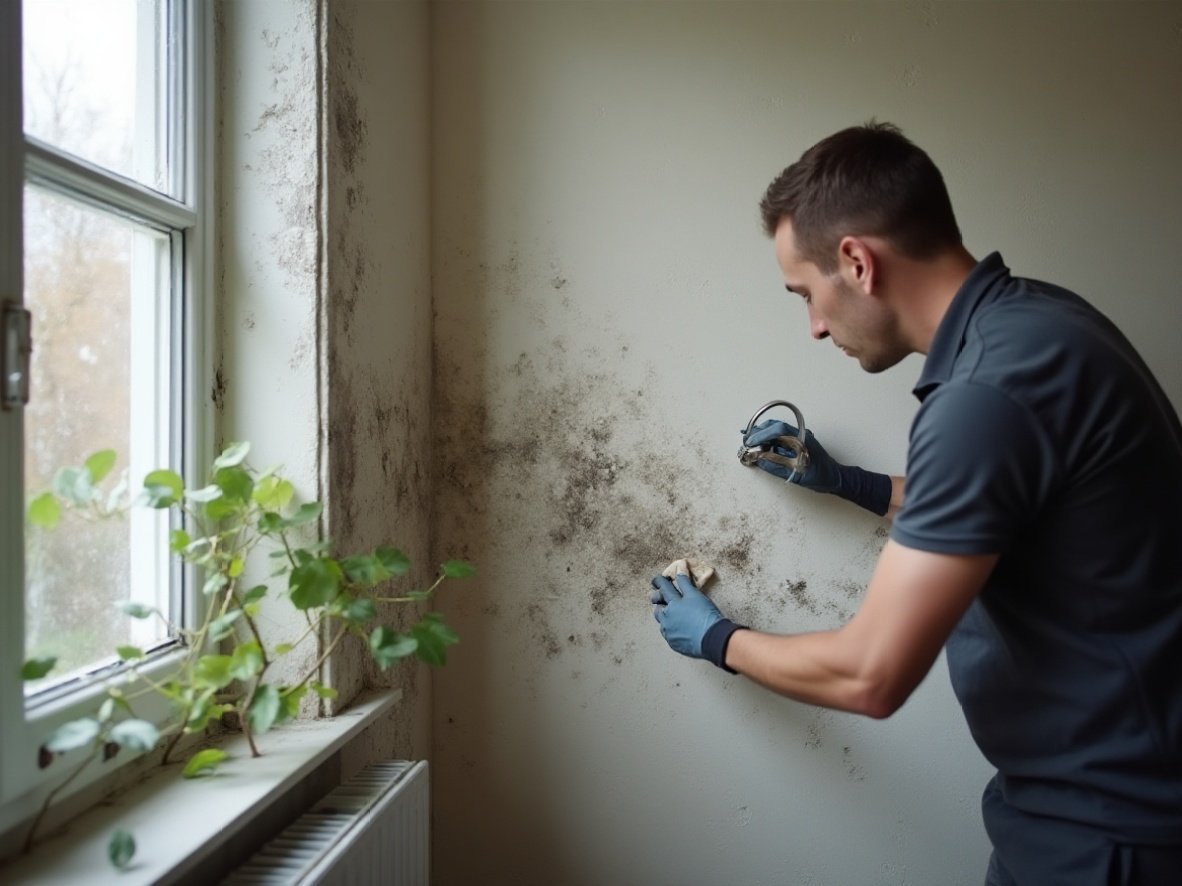
We don’t just remove visible mould. We identify whether it’s condensation, damp, or a hidden leak before treating it.
If you’re noticing peeling paint, damp patches on walls, or a musty smell that doesn’t go away, it’s often a sign of moisture building up where it shouldn’t. In London properties, damp problems can develop quietly over time, especially in older buildings or flats with limited airflow. At Mould Inspection London, we focus on identifying where that moisture is coming from before it leads to more serious damage.
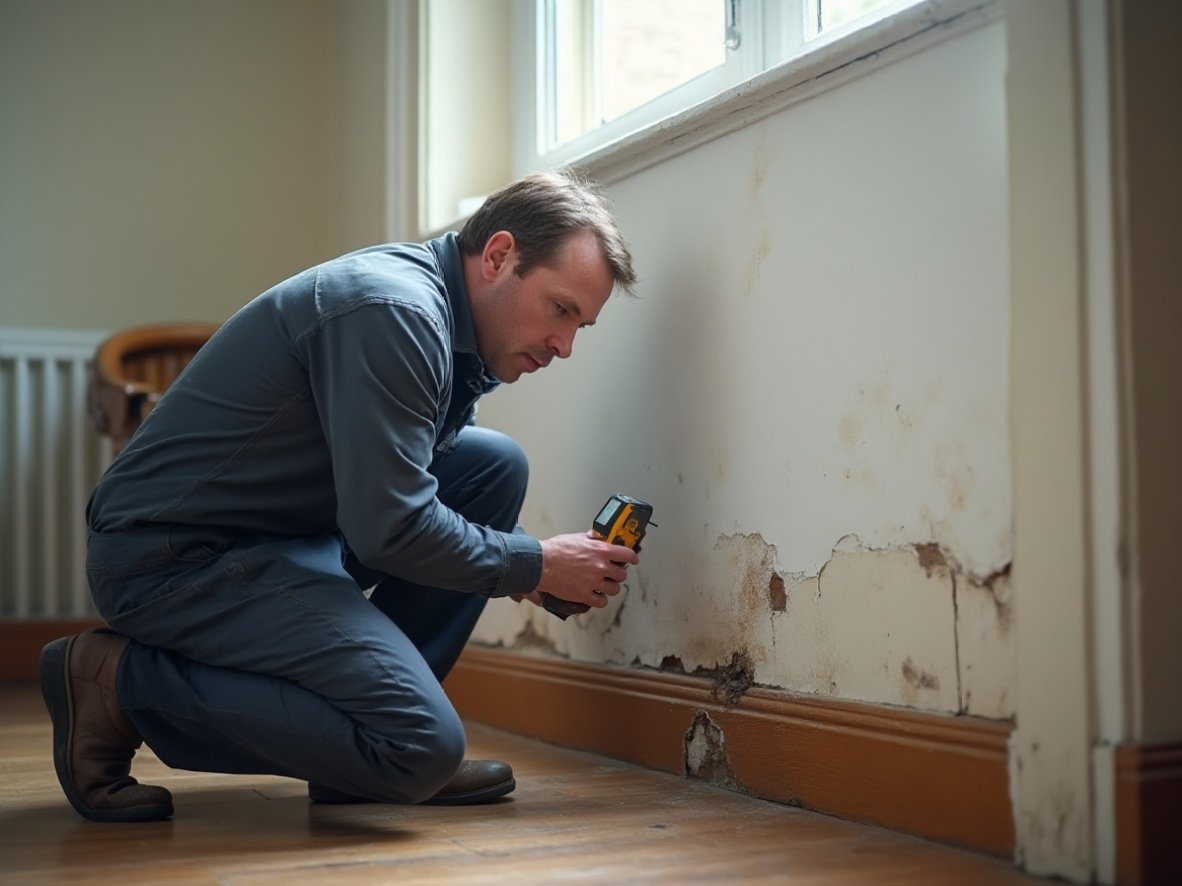
We recently inspected a ground-floor flat in Greenwich where a small patch near the skirting board turned out to be early-stage penetrating damp from an external wall. It hadn’t spread yet, but without checking it properly, it would have become a much bigger issue over time.
✔ Identify the source of damp (rising damp, penetrating damp, hidden moisture)
✔ Check walls, floors, and problem areas for early signs
✔ Clear explanation of what’s causing the issue and what to do next




If you’re noticing peeling paint, damp patches on walls, or a musty smell that doesn’t go away, it’s usually a sign of moisture building up where it shouldn’t. In many London homes, especially older buildings or ground-floor flats, damp tends to develop gradually rather than all at once. At Mould Inspection London, the focus is on understanding where that moisture is coming from before it spreads further.
A recent inspection in Greenwich involved a small patch near the skirting board that looked harmless at first. It turned out to be early penetrating damp coming through an external wall. Because it was caught early, the damage was still limited, which made the next steps much more straightforward.
Damp rarely appears as a single obvious problem. It often starts with subtle changes — slight discolouration, paint lifting in small sections, or a faint smell that’s stronger in certain parts of the room. These signs are easy to ignore until the issue becomes more visible across a larger area.
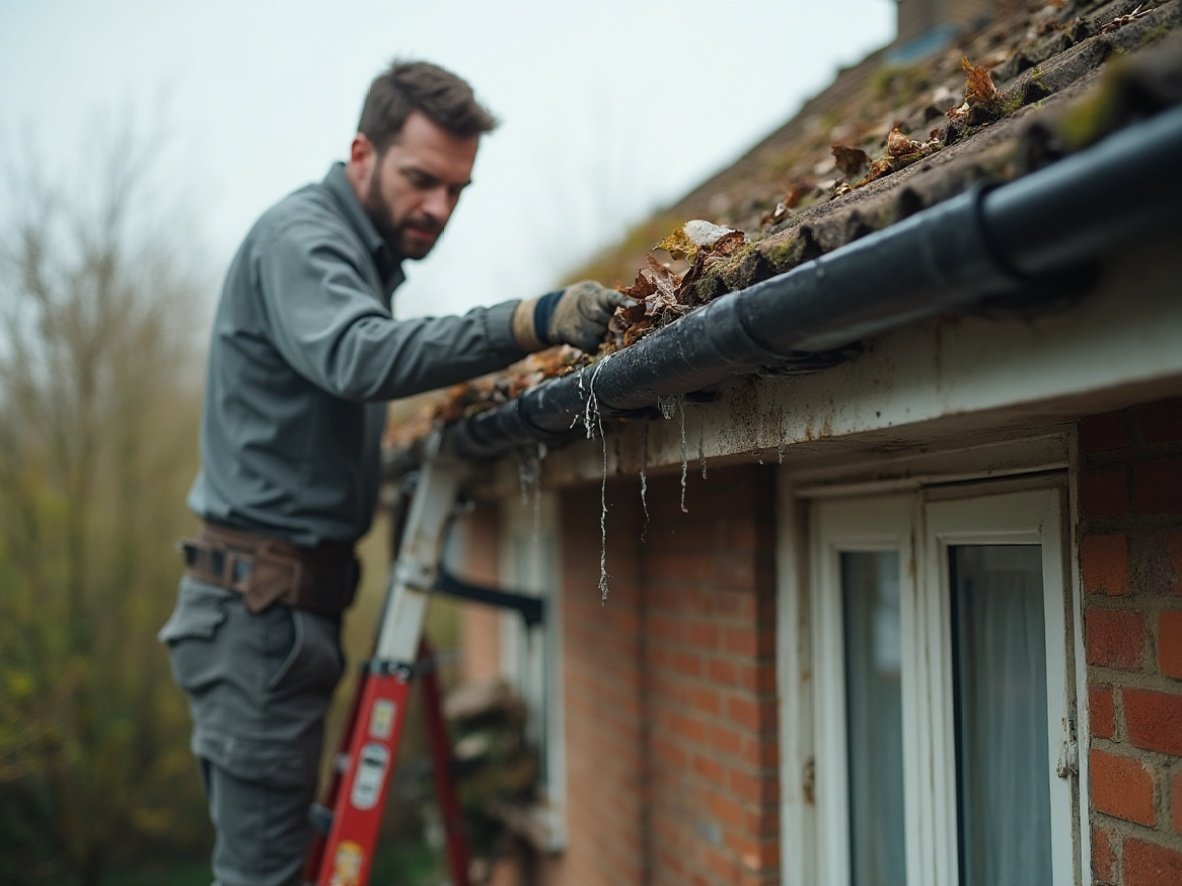
The cause depends heavily on the property. In some London houses, moisture comes through older brickwork or external cracks. In flats, we often see damp linked to neighbouring properties or shared structures. There are also cases where small external issues, like blocked gutters or minor leaks, allow water to slowly work its way inside over time.
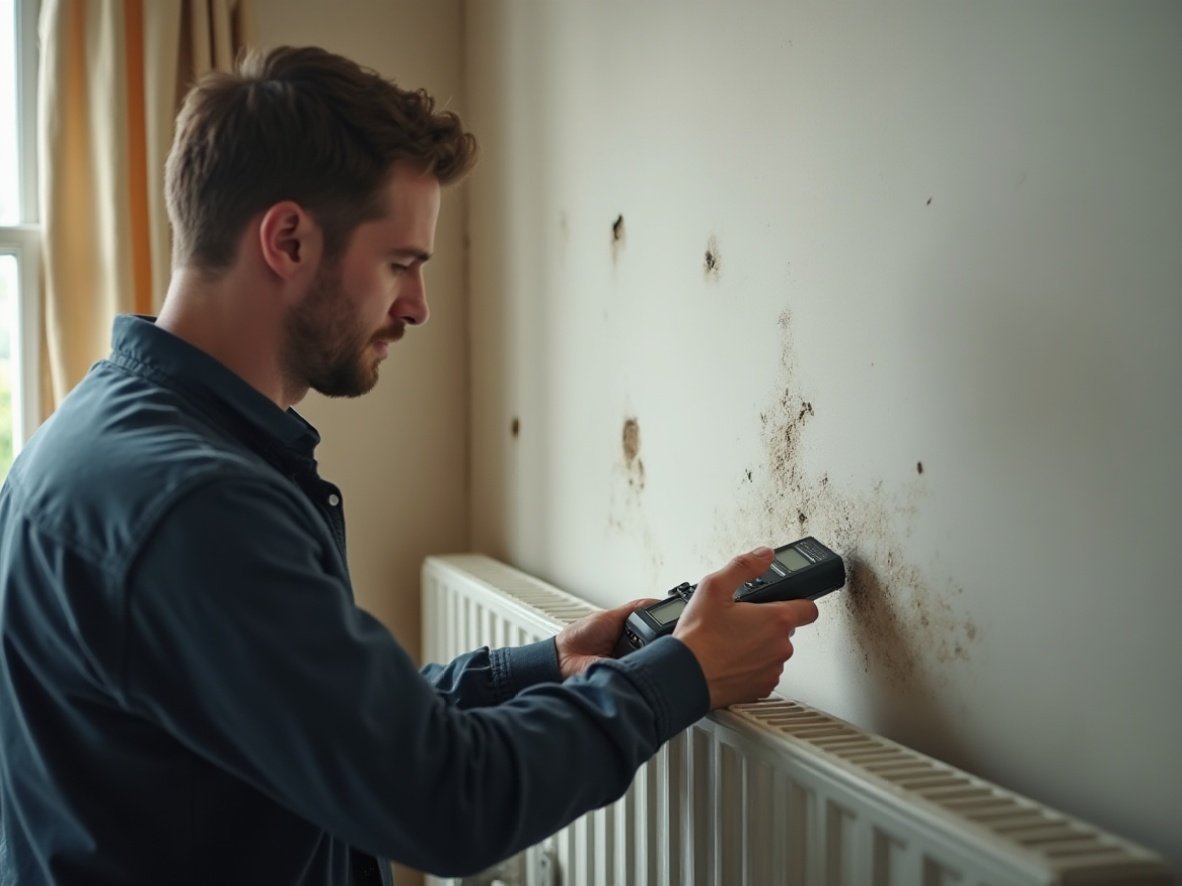
During an inspection, it’s not just about the visible patch. Moisture patterns across the room matter more. Lower wall sections, corners, areas near windows, and spaces around plumbing are all checked carefully. We also look at how the property is used — how often it’s heated, how air moves through the space, and whether certain areas stay colder than others.
It’s quite common for damp to be mistaken for condensation. While they can look similar on the surface, the cause is different, and so is the way it should be handled. Getting that distinction right early on helps avoid unnecessary treatments and ensures the issue is dealt with properly.

Mould kept coming back behind our wardrobe no matter how many times we cleaned it. The technician explained it was condensation getting trapped against the wall. After the treatment and moving the furniture slightly, it hasn’t returned.
Booked them after trying to deal with it myself for months. What I liked is they didn’t just clean it and leave — they explained why it was happening and what to change. Feels properly resolved now.
We had mould on the ceiling near the bathroom and thought it was just poor cleaning. Turned out the extractor fan wasn’t working properly. They sorted the mould and explained what needed fixing.
I was expecting a quick clean, but they pointed out a small leak I hadn’t noticed. That explained why the mould kept coming back. Glad we dealt with it properly instead of just covering it up again.
The mould around our windows was getting worse every winter. The visit was straightforward, no overcomplicating things. They treated the areas and explained how to manage condensation better. Big improvement since.
We had a constant musty smell in the bedroom and didn’t realise it was mould starting in the corner. They didn’t rush the job — first checked the room properly, then treated the area. Also gave practical advice that actually made sense.

A damp inspection isn’t just about confirming that moisture is present. In most cases, people already suspect that. The real value is understanding why it’s happening in that exact spot and whether it’s likely to spread.
In London properties, two walls in the same room can behave completely differently. One stays dry all year, while the other slowly develops patches or staining. That difference usually comes down to exposure, temperature, and how air moves around the space. Without checking those factors properly, it’s easy to assume the wrong cause.
We recently looked at a flat in Wandsworth where the tenant believed the issue was condensation. The wall was showing typical signs — slight staining and a musty smell. After checking it properly, it turned out moisture was coming in from outside due to worn brickwork. Cleaning or ventilating the room wouldn’t have made any real difference.
Another thing people often don’t realise is how far moisture can travel. The visible patch isn’t always where the problem starts. Water can move through materials and show up in a completely different area, especially around floors, corners, or near structural joins. That’s why focusing only on what you can see tends to lead to short-term fixes.
During a visit, we’re not just looking for damp — we’re building a picture of how the property behaves. That includes how quickly areas dry, where colder surfaces are, and whether the issue is stable or getting worse. These small details make a big difference when deciding what needs to be done next.
✔ Understand whether the problem is internal or coming from outside
✔ Identify if the issue is likely to spread or stay contained
✔ Get a clear next step instead of guessing or trial-and-error
Recurring Mould Solved
We regularly deal with mould that keeps coming back — identifying the real cause before treating it properly.
Cause, Not Just Cleaning
We don’t just remove surface mould. We check moisture levels, airflow, and hidden issues behind the problem.
Built for London Homes
From compact flats to older properties, we understand how mould develops in real London living conditions.
Clear, Practical Advice
You’ll know exactly what caused the issue and what needs to change to stop it returning.