
INVESTIGATE BEFORE REPEATING TREATMENT
Mould Inspection Battersea
If the same patch returns after it has been treated, repeating the surface work may leave the water source unresolved. Our Battersea inspection focuses on the evidence behind recurrence: the material, the moisture pattern and any route from another part of the building.
- Distinguish a surviving stain from newly developing growth
- Compare condensation clues with leak-related evidence
- Identify the next access or repair question before more treatment
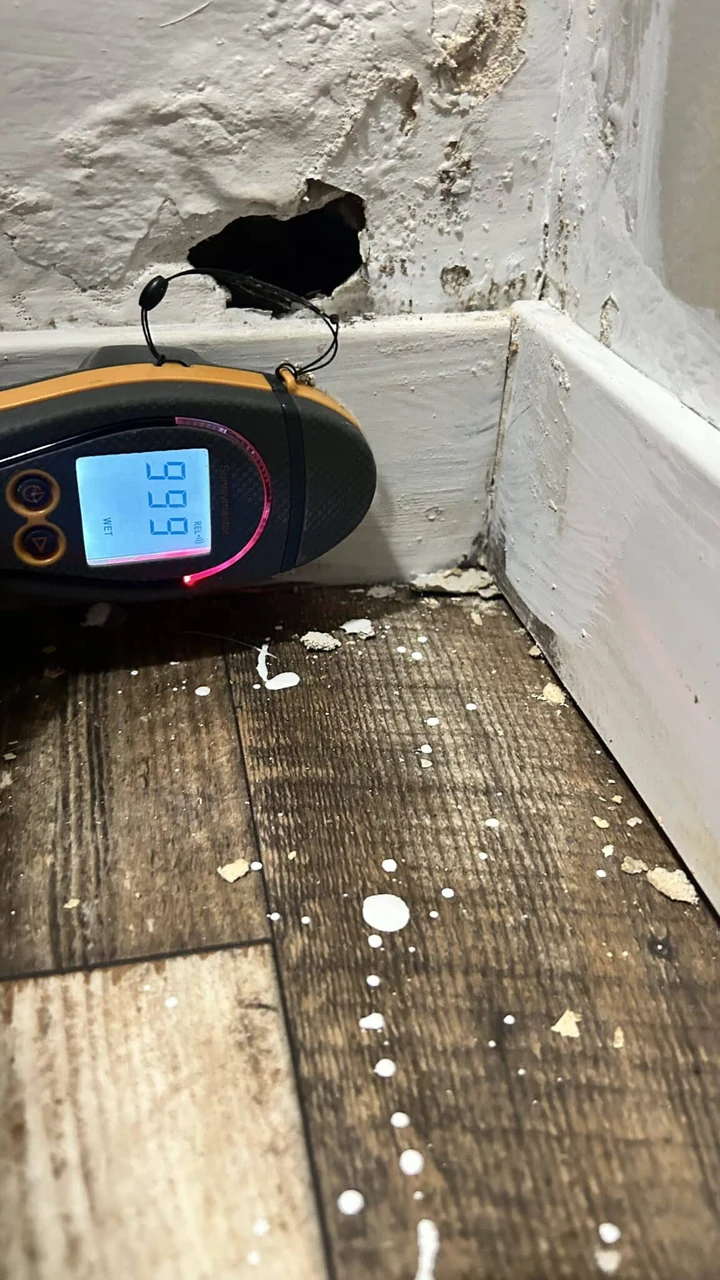
Reference photograph: iDry Columbus (CC BY 4.0); resized, converted to WebP and displayed with layout crops. Not evidence of a company job.
A return visit needs a better question
First establish what has returned. A stain can remain in a finish after an earlier problem, while fresh growth may develop nearby. Ask whether the area was ever dry, whether the visible shape has changed and what treatment or repair was completed. Those are different pieces of evidence.
A record of the original work is helpful, especially if several contractors have been involved. It can show whether the moisture source was assessed or whether the job concerned only cleaning and redecoration. We use that history to plan checks, not to infer the quality of another company’s work without seeing it.
Condensation, a plumbing leak or water entering the fabric?
Condensation is one possibility where a cooler surface repeatedly receives indoor moisture. A plumbing leak may produce a more persistent wet area, sometimes close to a fitting or pipe route. Rain-related water entry can have a different timing again. These are avenues to investigate, not a diagnosis from the position of a photograph.
A closer examination of the damp pattern can help compare the affected area with its surroundings. We consider the evidence together. A moisture reading or thermal image is useful only when its meaning and limitations are understood; neither establishes a hidden defect on its own.
- Cooler surfaces: compare the room conditions
- Persistent wetting: consider nearby water fittings
- Rainfall changes: examine the available external evidence
What thermal imaging can and cannot add
A thermal camera displays surface temperature differences. It does not see through plaster or provide a photograph of a concealed pipe. A pattern may suggest somewhere worth checking, but the interpretation needs the layout, the material and other moisture observations.
If the evidence points towards pipework behind a finish, checks for a hidden water source can be discussed. Before opening anything, understand which suspected route the access is intended to confirm. Detection and a plumbing repair are not automatically the same agreed service.
Make the measurements traceable
Measurement notes need a location and a comparison. A reading from a painted skirting board should not be treated as interchangeable with one taken on plaster above it. Different finishes and materials can affect the response of an instrument. If the original investigation recorded a high reading without stating where or how it was taken, tell us that limitation rather than trying to match the number.
Also distinguish a finding during the appointment from a prediction about the room all winter. A dry surface on the day may leave an intermittent problem unresolved. The inspector can explain which observations support the proposed next step, which alternatives remain possible and whether monitoring or a return under different conditions would answer a useful question.
The building may set the access limits
Battersea includes different residential settings. The council’s Nine Elms material describes new development, while the Battersea Park appraisal records an established conservation area. These sources establish local building context, not a claim that either setting has a particular mould rate.
In a managed apartment building, access to a neighbouring flat, service area or exterior may require another person to arrange it. In an older house, a concealed void or roof detail can present a different limit. Tell us what is accessible and who can authorise further checks so the visit addresses the practical situation.
Council information on Nine Elms residential development informs the development example. The established building context is documented in the Battersea Park appraisal.
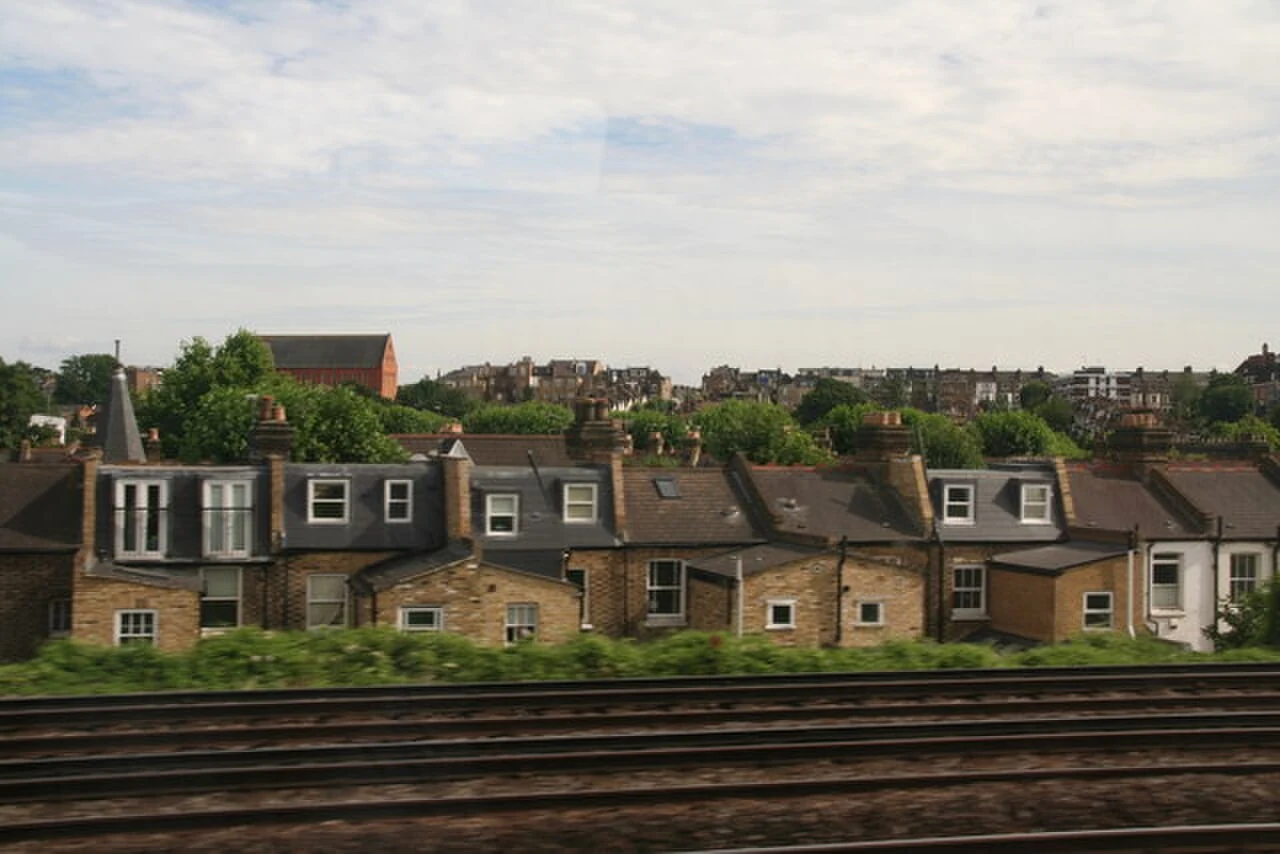
Reference photograph: Chris (CC BY-SA 2.0); resized, converted to WebP and displayed with layout crops. Not evidence of a company job.
A treatment recommendation should follow the evidence
Once the findings have been explained, surface treatment and removal options can be considered alongside any repair. The material and extent matter: a damaged porous finish may not be recoverable by repeated treatment. We identify what is known and what still needs confirmation.
Prevention is then a specific part of the plan. If the likely issue is extraction, the next step differs from dealing with incoming rainwater or a leaking joint. Our advice following treatment should relate to the identified moisture conditions and explain what to monitor, rather than promise that mould can never recur.
Before another round of treatment
Can you investigate a patch that has already been treated twice?
Bring the history of both treatments and any repairs, including when the area appeared to improve. A new assessment should consider why moisture may have continued, rather than simply count how often the surface has been cleaned.
Will a thermal image confirm a leak behind plaster?
It can guide where further checks are useful, but it cannot confirm concealed pipework from temperature alone. The suspected location must be assessed with other evidence and, where necessary, appropriate access.
What if the suspected source is in another apartment?
The inspection can explain the accessible evidence and the reason to seek checks elsewhere. Confirmation may depend on access arranged by the relevant owner or managing agent; that access should not be assumed at booking.
Is a new apartment protected from mould problems?
The age of the development does not establish the moisture conditions in an individual room. Ventilation, water fittings, finishes and any reported defects still need to be considered in the property you occupy.
Do I book removal or inspection for recurring growth?
If the reason for recurrence remains uncertain, discuss an inspection first. Describe the previous work and what is now visible. Treatment can be considered once its role and the moisture issue are clearer.
Nearby areas we cover
Before treating that patch again, ask why it returned.
Give us the dates of the earlier work and explain what changed afterwards. We will discuss the checks that could help you move beyond another temporary surface improvement.