
TREAT THE AFFECTED MATERIAL WITH A CLEAR PLAN
Mould Removal in London
Treat the mould. Understand why it grew.
Visible mould needs a practical response, but removal from a wall and repair of the moisture source are different jobs. We discuss the material, extent and available access before agreeing treatment, so you understand what the work covers and what may need attention alongside it.
- Patches spreading across walls or ceilings
- Mould returning after repeated cleaning
- Growth behind furniture or around cold corners
020 4600 5416 Monday – Saturday
THE STARTING POINT
Understand the moisture.
Then decide the work.
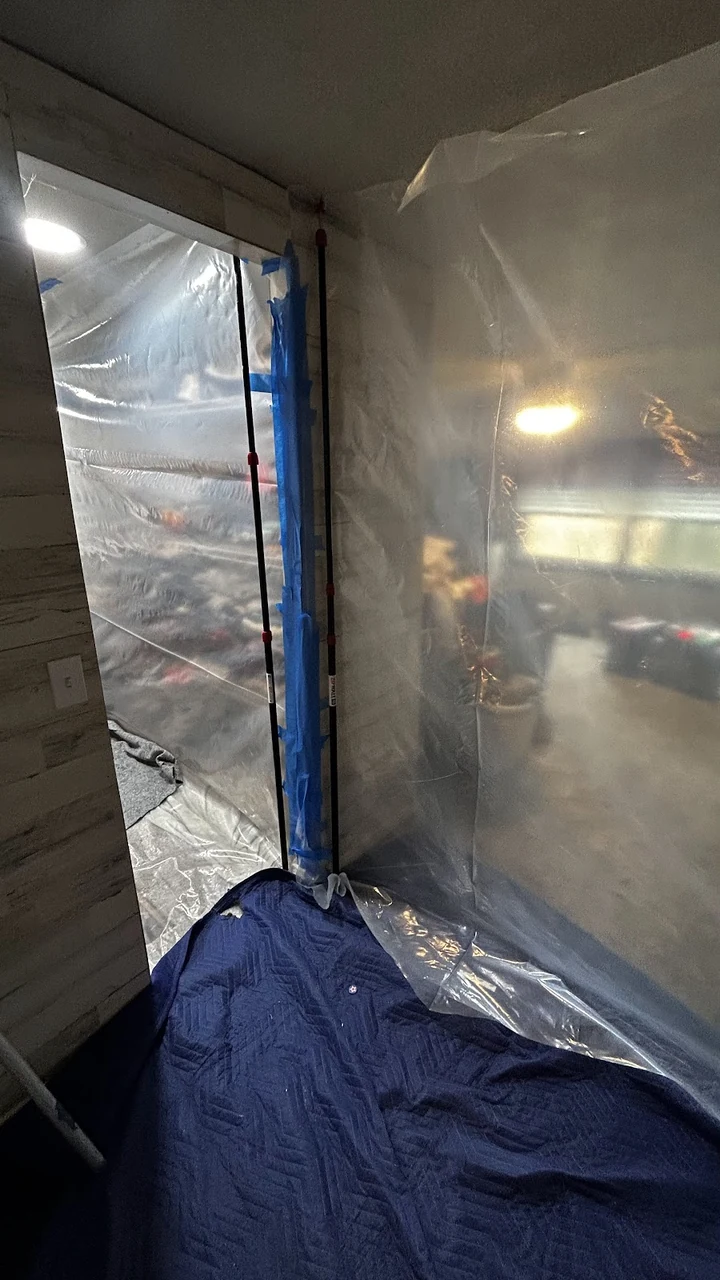
Reference photograph; not a company job. Photo: iDry Columbus · CC BY 4.0 (resized WebP).
First establish what needs treatingRemoval and replacement are different choicesWhat happens during the agreed surface workDeal with continuing water as part of the sequenceAgree preparation and use of the roomRecurring growth needs a workable moisture responseWhat an urgent enquiry can and cannot promiseWhat the completed work should leave clearQuestionsContact
First establish what needs treating
Describe every affected surface rather than just the room name. Growth on a painted wall, a flexible window joint and an upholstered headboard raises different treatment questions. Include material that appears damaged, areas hidden by furniture and possessions affected nearby. A proposal for building surfaces should not be mistaken for treatment of all belongings or restoration of the entire room.
The visible boundary may not show the full extent behind a fixed lining. We can discuss accessible work while identifying that uncertainty. Where the scope is unclear or growth keeps returning, inspection before treatment can help establish the areas and next questions. A small close-up is a useful starting point, but a wider view helps explain the practical setting.
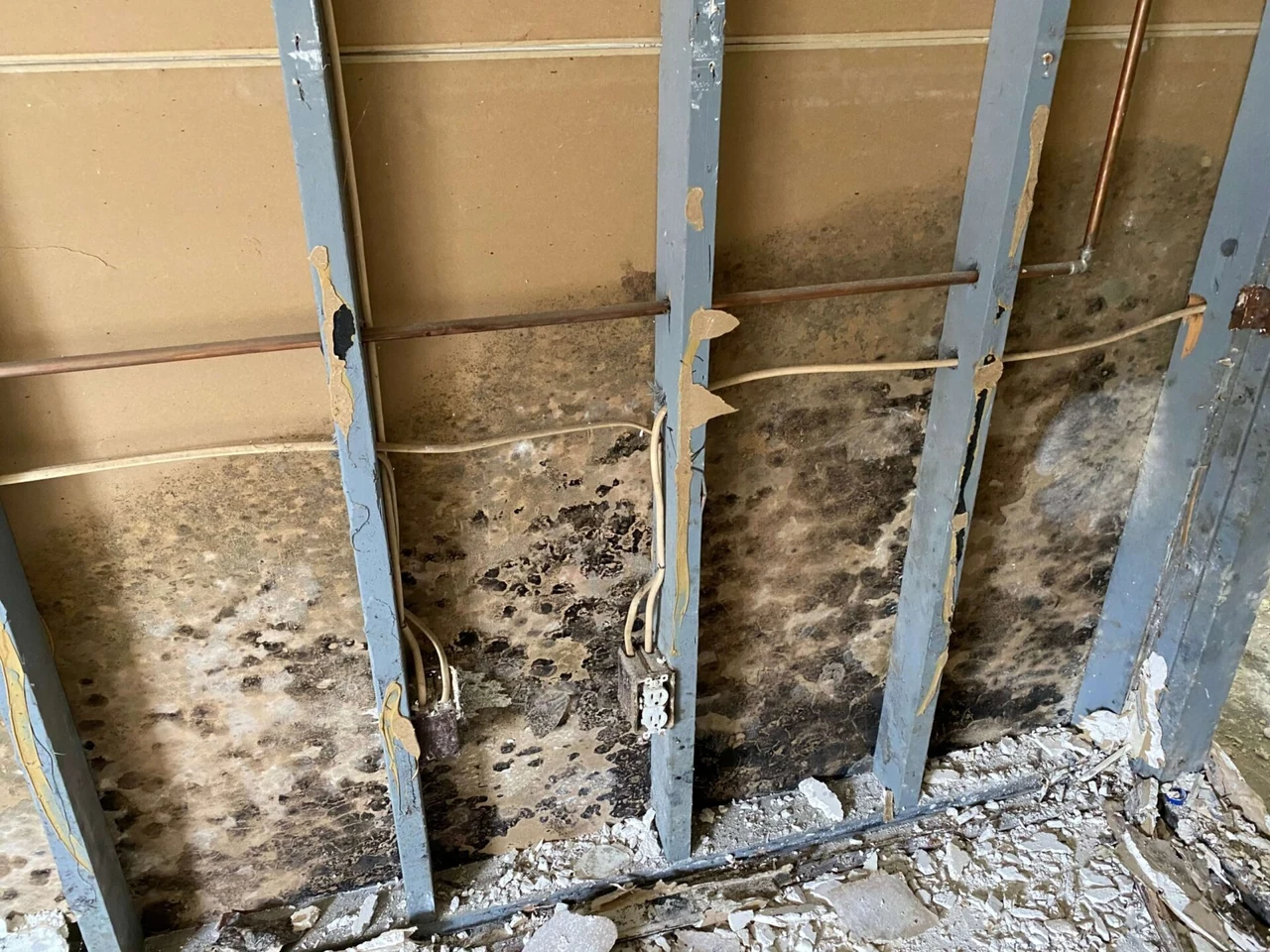
Reference photograph; not a company job. Photo: iDry Columbus · CC BY 4.0 (resized WebP).
Removal and replacement are different choices
A sound surface carrying growth may be suitable for treatment, while weakened or extensively damaged material may require another response. The decision should follow the actual condition, the moisture history and the work that can be carried out safely. Neither keeping every finish nor stripping every affected room is a sensible promise before those details are known.
Ask which material the proposal retains, which material may need replacement and whether reinstatement is included. Replacement plaster, joinery, decoration or furniture can fall outside the treatment appointment. If access reveals a different condition from the one originally visible, the scope may need review. That change should be explained rather than hidden within an all-purpose promise to remove the mould.
What happens during the agreed surface work
The work starts by looking at the included surfaces and their condition. We confirm the treatment area, the materials involved and the accessible extent before proceeding. Preparation, protection of the surrounding space and room access are discussed for that job. Treatment is then directed at the affected material using an approach appropriate to its surface and severity, rather than applying one blanket specification to every room.
We treat the agreed visible growth on walls, ceilings and other included problem areas, and explain the practical moisture steps relevant to the findings. A treatment appointment should therefore end with an explanation of the areas attended and the next steps relevant to them. If damaged finishes or an unresolved source remain, identify those separately from the surface work completed. No particular chemical, equipment package or formal report is implied by this description.
Deal with continuing water as part of the sequence
Treating growth cannot repair a failed plumbing component or an external building defect. If water is still reaching the surface, explain that before arranging attendance. A source repair, material assessment, drying and later finish work may need coordination. There is no single waiting period that proves every wall assembly is ready; the material and evidence determine the next decision.
A suspected concealed escape can warrant a targeted water-source investigation. A mark changing after rain may call for examination of external water details. Those services answer source questions. Their relevance should come from the property evidence, not from a rule that every mouldy wall must have a leak.
Agree preparation and use of the room
Before work, we discuss the areas involved, access and preparation appropriate to the method and scope. Tell us who uses the room, whether an occupier can attend and what fixed or heavy furniture blocks the surfaces. Ask what needs to be moved, who will move it and how possessions are handled. Do not undertake a major clearance or disturb extensive growth merely to satisfy a booking description.
Instructions about room access during and after treatment should relate to the actual work and any products used. Do not rely on a generic online return-to-room time. If you need to coordinate attendance with a tenant, agent or another contractor, make that requirement known beforehand. Clear preparation avoids an appointment being treated as both surface work and an unagreed removal service for furniture or contents.
Recurring growth needs a workable moisture response
If mould returns soon after cleaning, describe the same position and what happened between treatments. A bedroom corner behind a bed and a ceiling exposed to repeated bathroom moisture need different practical questions. The aim is to connect treatment with supported moisture measures, rather than prescribe identical ventilation advice to every room.
For condensation-related concerns, an investigation of the room pattern can help distinguish ordinary moisture behaviour from a separate damp surface. Longer-term recurrence advice should fit the layout and installed equipment. It should not imply that a new cleaning product can compensate for an unresolved defect or that an occupier is responsible simply because furniture stands near the wall.
The Peckham guide uses the cleaning history to frame a returning-growth question. Brixton distinguishes the bed, wall and upholstery, while Ealing considers connections between rooms. Use whichever example helps describe the actual surfaces and moisture pattern; these guides are not company case histories.
What an urgent enquiry can and cannot promise
Call with the postcode, affected rooms, visible extent and details of any active water problem. We will discuss availability and whether the reported concern fits the proposed visit. An urgent request does not automatically establish a same-day appointment or include emergency plumbing, restoration or replacement of damaged finishes.
If another contractor is already attending to a known source, explain what has been confirmed and what remains. That helps avoid booking treatment on an assumption that the repair is complete. Keep the component and room position identifiable in the handover. The next action should address the current evidence rather than repeat work solely because the surface still looks marked.
What the completed work should leave clear
You should understand which agreed surfaces were treated, any material condition that remains and the practical instructions relevant to using the room. Ask about any restriction during or after the work; its timing depends on the actual treatment and drying, rather than a generic promise that every room is immediately ready. If cosmetic marks remain, their meaning and any later decoration should be discussed separately from active growth.
Keep the source-repair details with the treatment scope. Compare the original position during ordinary use rather than check an unrelated wall. New wetting, returning growth and an old residual stain need different descriptions. Contact us with that distinction if the area changes, so a later enquiry can address what remains instead of assume that fresh paint or a second application answers every problem.
YOUR QUESTIONS
Questions about mould removal
Will treatment stop mould returning permanently?
No outcome can be promised regardless of continuing moisture or future leaks. The treatment targets agreed affected material. Any identified moisture measures or repair questions should be addressed alongside it, and renewed growth needs a review of the actual conditions.
Do you always remove plaster?
Material removal is not an automatic response to visible spotting. Condition, extent and moisture history matter. Ask which finishes can be retained and what evidence supports any proposed replacement, including whether preparation and reinstatement are part of the scope.
Can the same work treat walls and soft furnishings?
Do not assume that it can. Building finishes and affected possessions can require different handling and services. Describe both at booking so a proposal for a wall is not mistaken for treatment or replacement of mattresses, upholstery and stored belongings.
Is emergency mould removal available?
Call 020 4600 5416 to discuss the reported problem and current availability. We do not promise guaranteed same-day attendance or imply that a mould appointment includes emergency repair of an actively leaking pipe or damaged roof.
Should I repaint before treatment?
Describe the existing finish first. A fresh coat can conceal the original boundary without resolving moisture or material damage. Preparation and subsequent decoration should follow the agreed work, with any source issue and readiness question kept clear.
What information helps with a treatment enquiry?
Give the postcode, room, surface type and visible extent, plus any known leak, earlier treatment and access difficulty. Mention affected belongings and whether someone else must approve work. These details help define the enquiry; they do not replace assessment of the material.
SPEAK TO A TECHNICIAN
Discuss the surfaces and the work they need.
Call 020 4600 5416 about mould removal in London. Tell us what is affected, whether moisture is still present and who can provide access.
SPEAK DIRECTLY TO A TECHNICIAN
Monday – Saturday
Have your postcode and the affected rooms in mind. Tell us about any known leak or previous treatment.