
UNDERSTAND WHEN AND WHERE MOISTURE COLLECTS
Condensation Investigation in London
Wet windows are a clue. Check the room.
Condensation is a room-and-surface question, not simply a request to open a window. We look at where moisture appears, how it clears during ordinary use and the heating and ventilation arrangement, while keeping a separate leak or damp-material concern in view.
- Water collecting on windows overnight
- Mould worse during colder weather
- Damp corners in rooms with limited airflow
020 4600 5416 Monday – Saturday
THE STARTING POINT
Understand the moisture.
Then decide the work.
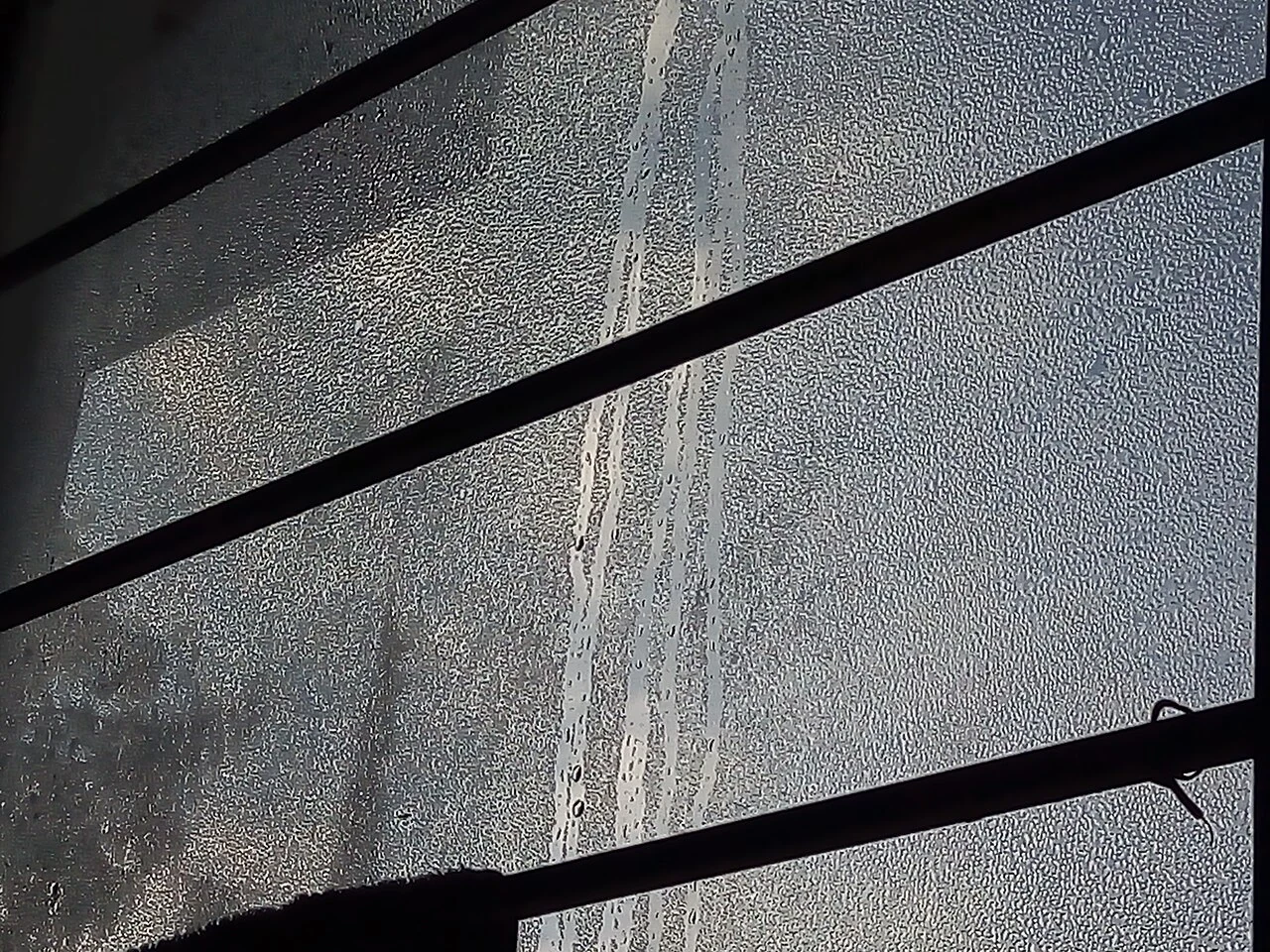
Reference photograph; not a company job. Photo: Doggo19292 · Public domain (resized WebP).
Start with a normal day in the room
Tell us when the glass becomes wet, which corner first shows growth and whether those surfaces change as the day goes on. Include sleeping, cooking, bathing or drying clothes where relevant, without assuming that any one activity explains the whole problem. A short account of ordinary use is more helpful than a staged demonstration with unusually long showers or changed heating.
Different surfaces can behave differently. Morning droplets may clear while a wall remains marked or damp. A photograph at one time captures only part of that pattern. The investigation should connect your account with the accessible room evidence, not treat a momentary humidity observation as a complete explanation of several months of returning growth.
The Balham symptom guide helps distinguish room observations; Streatham compares surfaces over an ordinary day; Walthamstow first establishes where apparent window moisture sits. These examples can make your account more precise before an appointment.
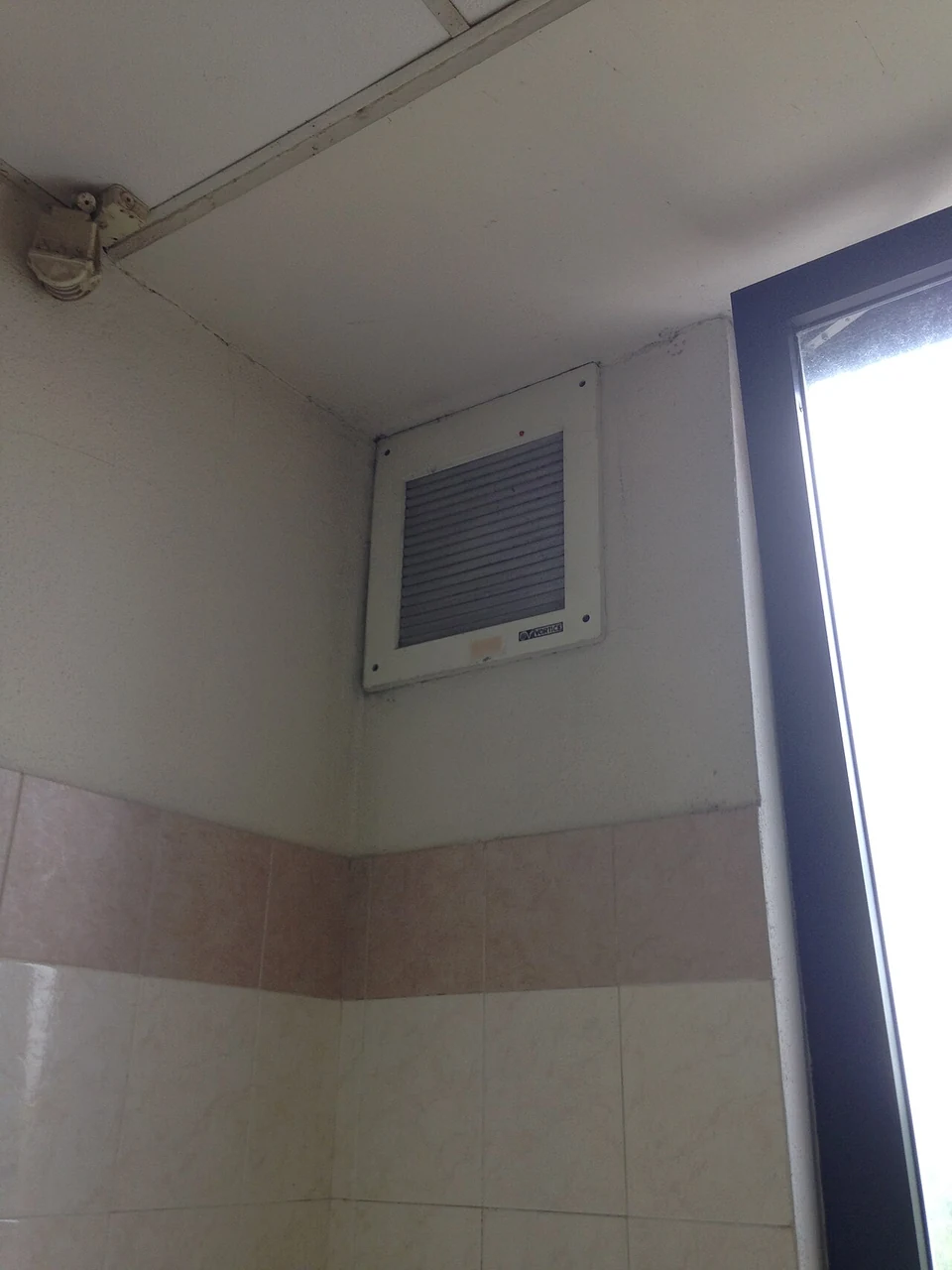
Reference photograph; not a company job. Photo: Antonio Mette · CC BY-SA 4.0 (resized WebP).
Why water appears on one surface first
Condensation can occur when moist air meets a sufficiently cool surface. Windows, corners and sheltered areas can therefore show different behaviour from the open room. The government’s existing-home ventilation guidance explains the relationship between trapped indoor moisture, cold surfaces and condensation. That principle supplies a question about the actual home; it does not prove that every stain is condensation.
Describe the position of the radiator, furniture, curtains and adjoining rooms. A wall behind a fitted wardrobe may be less accessible and experience different local conditions from the wall beside it. The window and surrounding-wall guide separates visible glass moisture from material beyond it, while a sheltered-bedroom concern may require inspection of the accessible surface itself.
Read the ventilation, heating and layout together
An opening window, background vent and room extractor do different jobs. Tell us which equipment and controls are fitted, which rooms they serve and any instructions available. A fan motor running does not by itself establish that its route and outlet function as intended. A cooker hood that recirculates through a filter is also a different arrangement from one discharging outdoors.
Do not block vents or alter controls solely to make the room feel warmer before discussing their purpose. Where the installed system needs a closer enquiry, a condensation and ventilation assessment can focus on that arrangement. Product servicing, electrical work and duct changes may need another scope; a room moisture appointment does not imply that every component has been tested or commissioned.
A spare bedroom used occasionally can have a different pattern from an occupied room. A kitchen opening into a cooler passage can connect a moisture-producing activity with another surface. Explain the arrangement you actually use, including constraints on opening windows or moving furniture. Advice needs to fit that home rather than assume a different layout or an unlimited heating budget.
A dehumidifier is a tool, not a diagnosis
A dehumidifier may help manage indoor moisture, but the amount it collects does not establish the source of every affected patch. It does not repair plumbing or an external water route. If one is already running, tell us where it stands, when it operates and what changed. These details help interpret the visit rather than prove that the building has been cleared of other problems.
A room can also look different after unusual airing or heating immediately before attendance. There is no need to manipulate conditions for the appointment. Describe the normal pattern and any recent change honestly. Where further observation would answer a specific question, its purpose should be explained rather than ask you to buy equipment simply to produce more numbers.
Know when a separate damp enquiry matters
A local patch that changes after rain, a softened wall beside a fitting or material that remains wet as the glass clears deserves its own description. Damp-material checks or a targeted hidden-water investigation may be relevant where the evidence supports them. Calling the whole room condensation too early can leave another question unanswered.
We discuss the history, examine accessible areas within scope and consider suitable comparisons. An instrument reading needs its surface and location; room air and concealed material do not supply interchangeable evidence. If additional access is recommended, the next step should identify what uncertainty it addresses and who can authorise it. A ventilation change should not be presented as repair of a source that has not been established.
Choose a response you can use and review
The findings may support a ventilation or control enquiry, a workable change to the room arrangement, treatment of existing growth or another source check. Ask which action addresses which observation and which needs to happen first. Surface treatment and recurrence advice have different roles; neither should hide an outstanding material or water question.
After an agreed change, compare the original surface during ordinary use and keep its position identifiable. Improvement in the glass and deterioration of the wall should be reported separately. That practical comparison helps a later decision remain connected to the initial concern, rather than treat one drier morning as proof that the whole room has been resolved.
YOUR QUESTIONS
Questions about condensation issues
Is condensation the same as a leak?
No. They are different moisture processes, although observations can overlap and both questions may remain relevant in one room. Explain the surface, timing and any known incident rather than choose a cause from the shape of a mark alone.
Does wet glass prove the wall mould is condensation?
It provides a room observation, not a complete wall diagnosis. The surrounding material may have a separate condition or water route. Describe whether the wall changes independently and whether it remains affected after the accessible glass dries.
Should I change the heating before an inspection?
There is no need to create unusual conditions. Explain your normal heating, room use and ventilation arrangement, including any recent change. A representative account and earlier photographs can help interpret the visit without staging a demonstration.
Will buying a dehumidifier solve it?
It may help manage moisture, but it does not establish the cause or correct every building and ventilation issue. Discuss what remains affected and the existing room arrangement before treating a purchase as a substitute for the enquiry.
Do you assess extraction as well as the mould?
The installed arrangement can be discussed alongside accessible room evidence. If performance, controls or ductwork need a more specific assessment, agree that scope beforehand. Electrical repairs, servicing and commissioning should not be assumed to be included in a room visit.
Can the existing growth be treated after the investigation?
Treatment can be considered as a separate part of the response. The affected material, extent, access and moisture findings need to be clear. Agree what the proposed work includes so surface treatment is not mistaken for repair or replacement of a ventilation system.
SPEAK TO A TECHNICIAN
Tell us how the room behaves during ordinary use.
Call 020 4600 5416 with your postcode, the affected surfaces and when moisture appears. We will discuss an enquiry that fits the room pattern and any separate damp concern.
SPEAK DIRECTLY TO A TECHNICIAN
Monday – Saturday
Have your postcode and the affected rooms in mind. Tell us about any known leak or previous treatment.