Proper Cause Detection
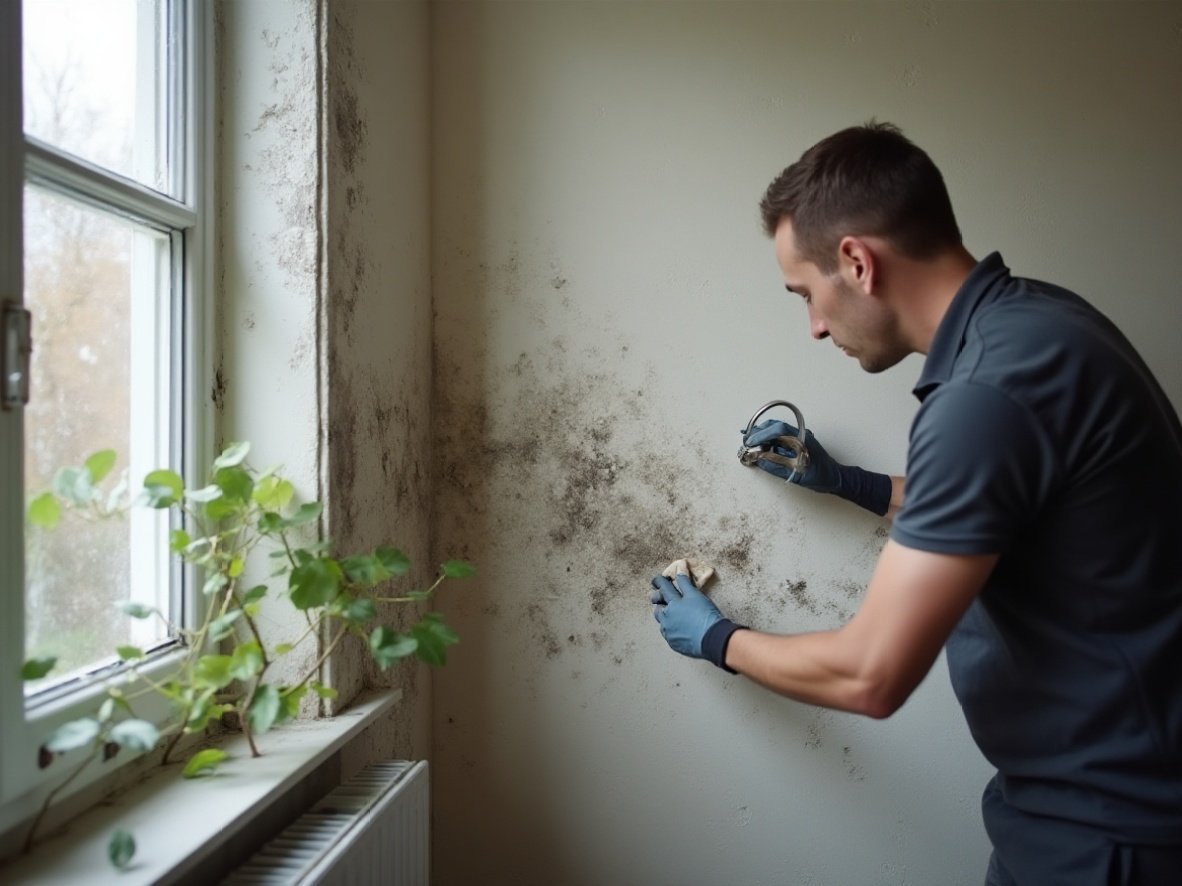
We don’t just remove visible mould. We identify whether it’s condensation, damp, or a hidden leak before treating it.
Sometimes there’s no obvious reason for moisture. No visible leak, no clear condensation pattern, yet patches keep appearing in the same place.
This is where hidden water sources usually come in.
At Mould Inspection London, we’re often called when mould or damp keeps returning despite cleaning or ventilation changes. In many of these cases, the issue sits behind a surface — not on it.
A recent job in Putney involved a wall that had been treated twice for mould. The problem turned out to be a slow leak from a pipe joint behind the plaster.




Sometimes moisture shows up in a property without an obvious reason. There’s no visible leak, no clear condensation pattern, yet the same patch keeps returning. In these situations, the issue is often hidden behind a surface rather than something you can see directly.
At Mould Inspection London, we’re usually called after other attempts haven’t worked. The area may have been cleaned or treated more than once, but the problem doesn’t fully go away. That’s often a sign that moisture is coming from a concealed source.
We recently checked a flat in Balham where a section of wall kept showing damp marks despite being repainted. There was no sign of water on the surface. After checking the surrounding area, it became clear that a slow leak from a pipe joint behind the wall was feeding moisture into the plaster over time.
What makes hidden leaks difficult is that the visible damage isn’t always located where the issue begins. Water can move through materials before appearing somewhere else, especially along joints, edges, or weaker sections of the wall. This can make the problem seem inconsistent or unrelated to its actual source.
Another factor is how slowly these issues develop. A small leak doesn’t always create an immediate problem. It can take weeks or months before enough moisture builds up to become visible. By that point, it’s easy to assume the cause is something else.
Understanding this difference changes how the problem is approached. Instead of treating the visible area repeatedly, the focus shifts to tracing where the moisture is entering and how it’s moving through the structure.

Mould kept coming back behind our wardrobe no matter how many times we cleaned it. The technician explained it was condensation getting trapped against the wall. After the treatment and moving the furniture slightly, it hasn’t returned.
Booked them after trying to deal with it myself for months. What I liked is they didn’t just clean it and leave — they explained why it was happening and what to change. Feels properly resolved now.
We had mould on the ceiling near the bathroom and thought it was just poor cleaning. Turned out the extractor fan wasn’t working properly. They sorted the mould and explained what needed fixing.
I was expecting a quick clean, but they pointed out a small leak I hadn’t noticed. That explained why the mould kept coming back. Glad we dealt with it properly instead of just covering it up again.
The mould around our windows was getting worse every winter. The visit was straightforward, no overcomplicating things. They treated the areas and explained how to manage condensation better. Big improvement since.
We had a constant musty smell in the bedroom and didn’t realise it was mould starting in the corner. They didn’t rush the job — first checked the room properly, then treated the area. Also gave practical advice that actually made sense.

Hidden leaks don’t always show themselves in obvious places. In many London properties, moisture collects in areas that aren’t regularly checked, which is why the first visible signs can feel unrelated to the actual source.
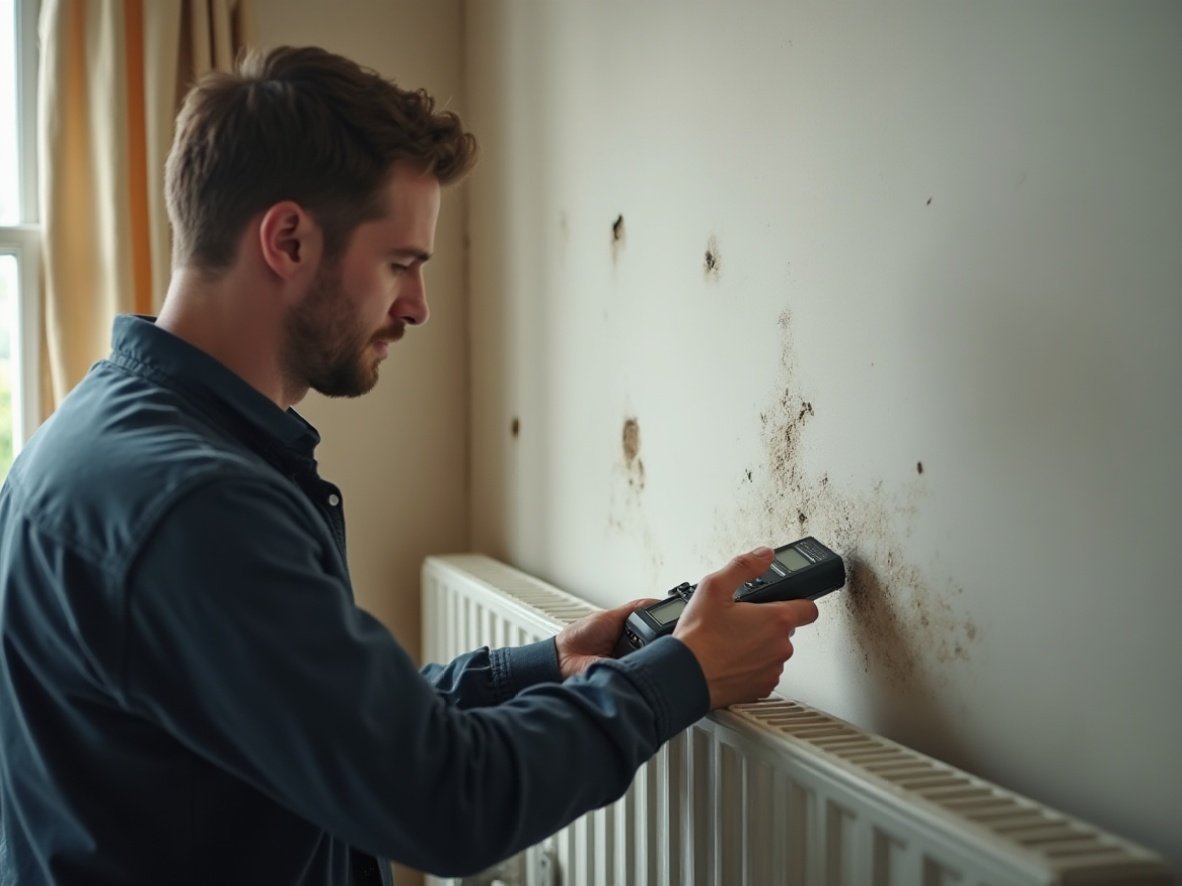
One common location is around pipe runs. Even a small weakness in a joint can release moisture slowly over time. Because it’s not a sudden leak, it doesn’t create visible water, but it’s enough to keep the surrounding materials damp. This is often the case behind radiators or along internal walls where plumbing is less accessible.
Under flooring is another area where problems can develop quietly. In flats, especially, small leaks can spread across a wider section before being noticed. By the time signs appear — such as a slight smell or discolouration along the edge of a wall — the moisture may have already travelled some distance from its origin.
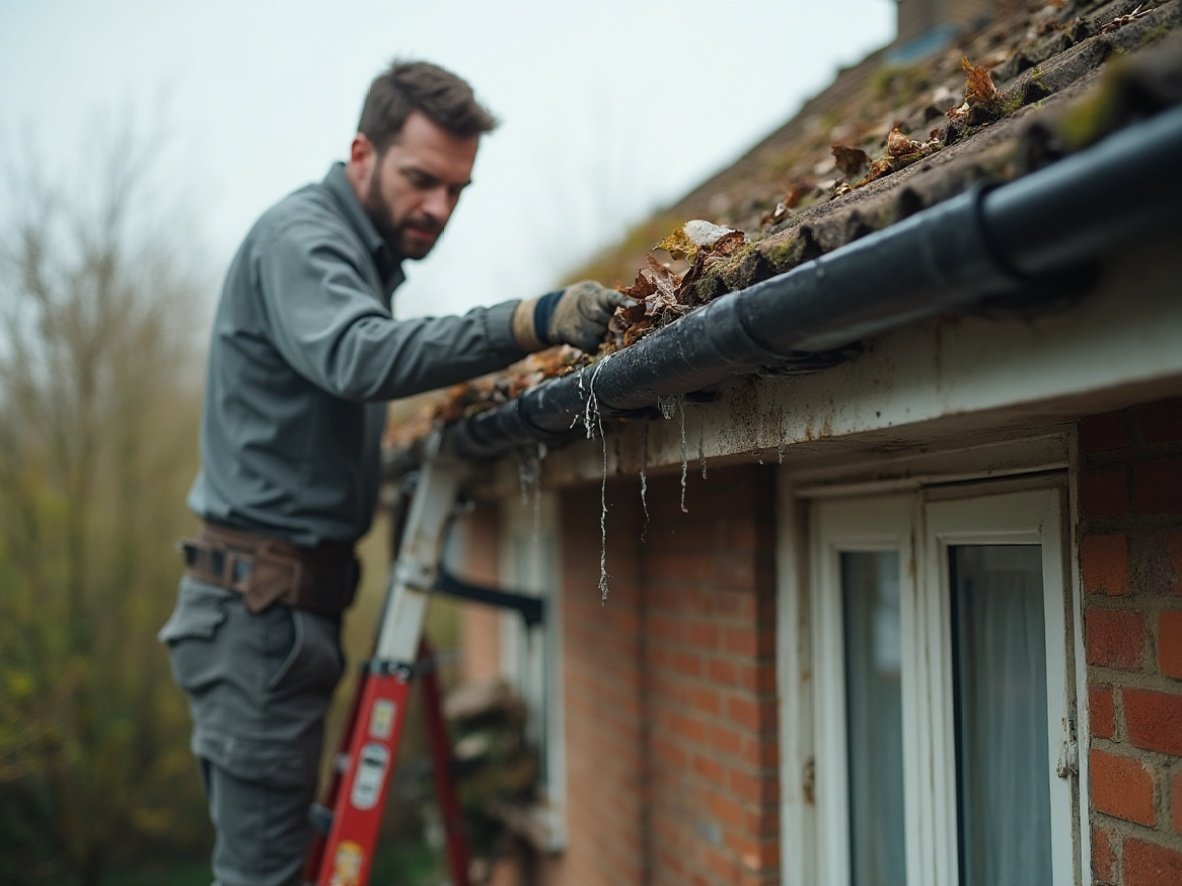
We also see cases linked to window edges and external joins. Water can enter from outside in very small amounts, particularly during prolonged rain, and then settle within the wall structure. Because it doesn’t pour in visibly, it’s often mistaken for condensation rather than external ingress.
Ceilings below bathrooms are another typical point of concern. A minor issue above, such as a slow drip from a fitting, can take time to show below. When it does, it may appear as a faint stain or patch rather than a clear sign of a leak.
What makes these situations difficult is that the pattern doesn’t always follow expectations. The visible damp area might stay consistent in size, change slightly over time, or appear to improve before returning again. This inconsistency often leads to repeated surface treatments instead of identifying the underlying cause.
By looking at where moisture tends to build and how it behaves across different surfaces, it becomes easier to narrow down whether the issue is coming from within the property or entering from outside.
Recurring Mould Solved
We regularly deal with mould that keeps coming back — identifying the real cause before treating it properly.
Cause, Not Just Cleaning
We don’t just remove surface mould. We check moisture levels, airflow, and hidden issues behind the problem.
Built for London Homes
From compact flats to older properties, we understand how mould develops in real London living conditions.
Clear, Practical Advice
You’ll know exactly what caused the issue and what needs to change to stop it returning.