
LOOK AT EACH PART OF THE OPENING
Mould Around Windows
Find out why the frame stays damp.
Mould on a flexible seal is different from a spreading mark on the wall beside the frame. We examine the accessible opening and the timing of wetting so treatment and repair questions remain clear.
- Growth on frames, seals or window reveals
- Water collecting on glass and sills
- Staining that changes during cold weather or after rain
020 4600 5416 Monday – Saturday
THE STARTING POINT
Understand the moisture.
Then decide the work.
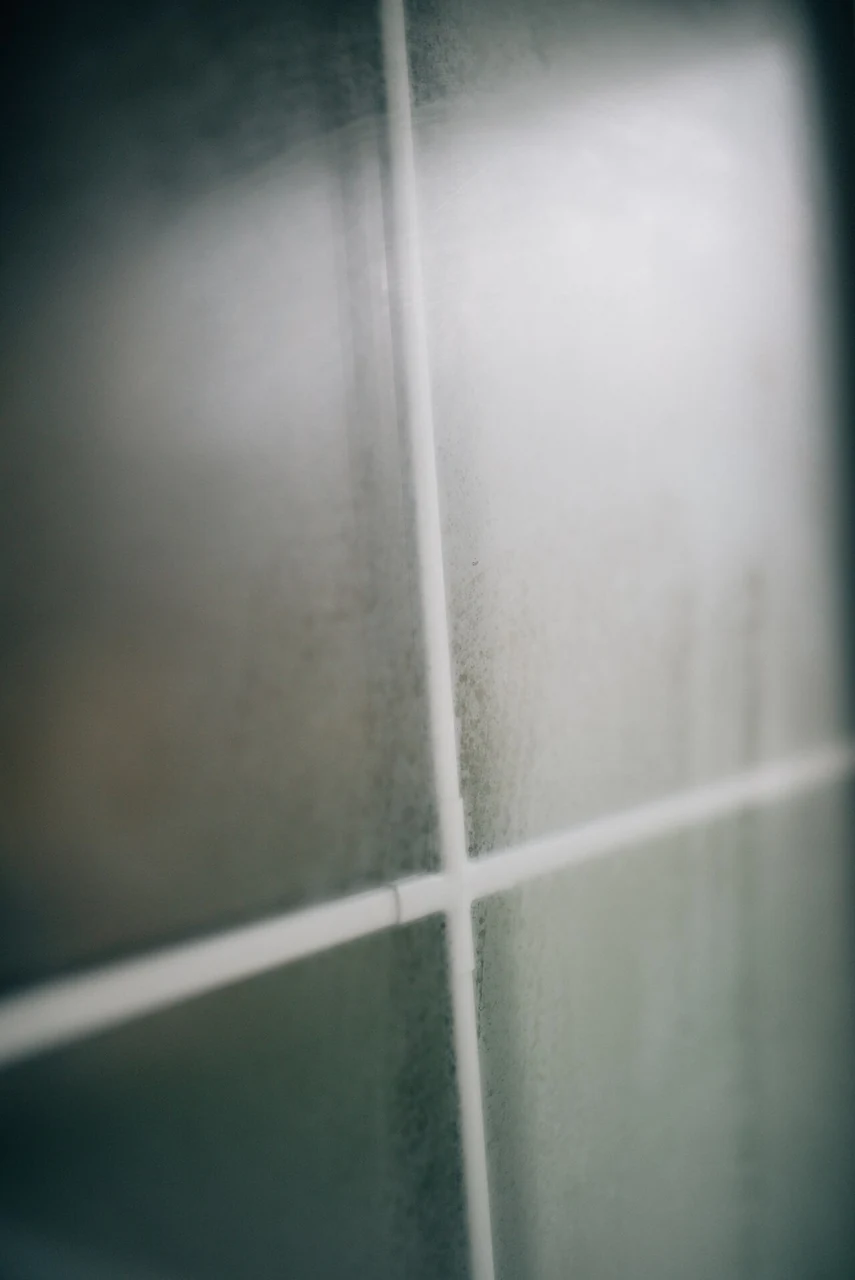
Reference photograph; not a company job. Photo: Shixart1985 · CC BY 2.0 (resized WebP).
Locate the growth within the opening
Show whether the mark sits on the frame, a seal, the sill, the plastered reveal or a curtain-side corner. Take one photograph of the whole window and another of the affected position. A close-up alone may not reveal which surface is involved or how it relates to the rest of the wall.
Explain whether one window is affected while others remain clear, and whether the concern is on one side of a bay. Different surfaces within an opening can have different conditions. The Muswell Hill bay-window guide helps describe those faces without treating every part of a window as an interchangeable location.
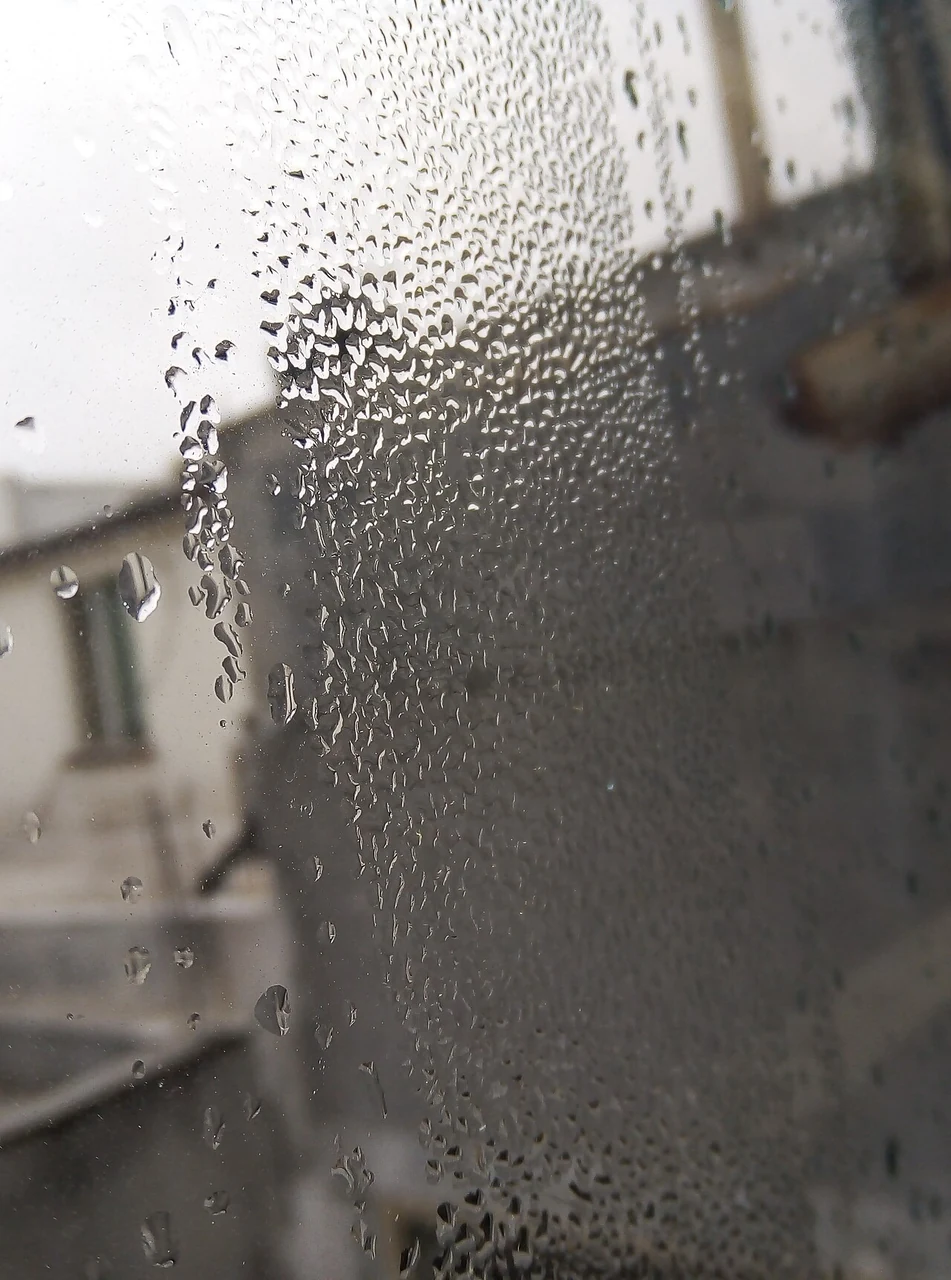
Reference photograph; not a company job. Photo: Doggo19292 · Public domain (resized WebP).
Morning droplets and rainfall need separate accounts
If moisture appears overnight, state where droplets first become visible and how the room is normally used. For marks that change during rain, describe the timing and the visible position from a safe accessible location. Neither pattern alone proves the full cause, but keeping them separate can make the initial enquiry more useful.
Our condensation checks consider a room moisture pattern. An external-water enquiry may instead be appropriate for supported rain-linked observations. Do not test the opening with a hose or seal unfamiliar drainage details to create a clearer story; the investigation should follow the natural concern.
A new window changes the questions, not the conclusion
Tell us when an opening was replaced, repaired or enclosed and whether the growth existed before that work. Keep available installation details and earlier photographs. Finding a patch later does not establish that the installer caused it, just as a new frame does not certify the condition of the surrounding wall.
The Chiswick window-retrofit guide considers the upgrade history and current room arrangement. Include any changes to accessible vents, curtains or heating where relevant. A retained opening, replacement glazing and altered reveal may need different questions rather than one automatic recommendation to replace the whole window again.
Consider the room beyond the glass
A large wardrobe, closed curtain or deep sill can affect the space that is accessible for observation. Describe the normal arrangement without assuming you must remove every furnishing before calling. In a compact bedroom, advice needs to fit the available layout and the building’s ventilation arrangements.
The Walthamstow wet-glass guide first separates accessible droplets from apparent mist within the glazing. Ordinary room use is information for the enquiry, not a shortcut to assigning blame. If the concern persists despite earlier changes, explain exactly what changed and which surface still becomes wet.
Material assessment before repair or replacement
Timber, painted plaster, silicone and other finishes can need different treatment decisions. Our assessment of dark surface growth considers the affected material and its condition. Colour alone does not establish mould type, depth or the cause of moisture. A damaged or deteriorated part may need attention beyond surface treatment.
Removing growth does not repair a failing detail, and replacement of a seal does not establish that all water routes have been checked. Ask what each proposed action is intended to resolve. A suitable window specialist may be needed for an opening defect, while the wall concern remains a separate moisture question.
An inspection of the window-side concern can compare the visible pattern, surrounding materials and relevant room observations. We explain where access limits prevent examination of a concealed joint or external detail. A visit from inside the room should not be represented as inspection of every part of a high-level facade.
A mould patch alone does not establish the need for new glazing or a new window. Where a specialist repair enquiry is justified, take the location and observations to that contractor. Decisions about repair or replacement should consider the actual defect, permissions and scope, rather than use a surface mark as a complete specification.
We explain the affected material and the evidence behind the next recommendation, so you know whether the immediate decision concerns surface work, a room-moisture enquiry or a window specialist. If another contractor is needed, the precise side of the opening and the observed timing help make that referral useful.
Follow up at the same frame and reveal
Keep a record of the affected positions before mould removal or repair. After work, compare those same locations during normal mornings and relevant weather. A cleaned sill may look improved while a wall return continues to change; record that difference rather than grouping the whole opening as resolved.
If growth returns, describe the material, timing and work completed. Do not assume that a new symptom must have the old cause. A defined follow-up can consider the unresolved detail and whether access or another specialist is now required, instead of repeating the same cleaning and replacement suggestions.
YOUR QUESTIONS
Questions about mould around windows
Does window mould mean the glazing needs replacing?
A patch does not by itself establish a glazing defect or justify replacement. The affected surface, moisture pattern and condition of the opening need consideration. Where a window-specific fault is supported, a suitable specialist can assess the repair options.
Can you inspect the plaster beside the frame?
Accessible reveals and adjacent surfaces can form part of the agreed enquiry. Identify the particular side or corner and tell us about recent repairs. Concealed construction or inaccessible exterior joints may require a different scope.
What if the window is wet only in the morning?
Describe the room use, the position of droplets and how the surface changes later. That pattern can help frame a condensation enquiry, but it does not rule out a separate persistent concern elsewhere around the opening.
Why does one side of my bay have more growth?
The location is useful evidence rather than a diagnosis. Show each face and the ordinary curtain or furniture arrangement. An inspection can consider the accessible differences instead of treating the central pane as representative of the whole bay.
Should I cover drainage holes with sealant?
Do not alter unfamiliar window drainage or joints simply to suppress unexplained wetting. A repair needs to address the right detail. Explain what you observe and seek an appropriate opening assessment where a defect is suspected.
Can treatment restore a damaged frame?
Surface treatment does not rebuild deteriorated material or make a defective opening sound. We explain what surface work addresses and when a repair question should be taken to another contractor. Keep these scopes distinct before commissioning work.
SPEAK TO A TECHNICIAN
Describe the exact window-side surface
Call with the location of the growth, when the opening becomes wet and any repair history. We will discuss a focused check before treatment or replacement decisions.
SPEAK DIRECTLY TO A TECHNICIAN
Monday – Saturday
Have your postcode and the affected rooms in mind. Tell us about any known leak or previous treatment.