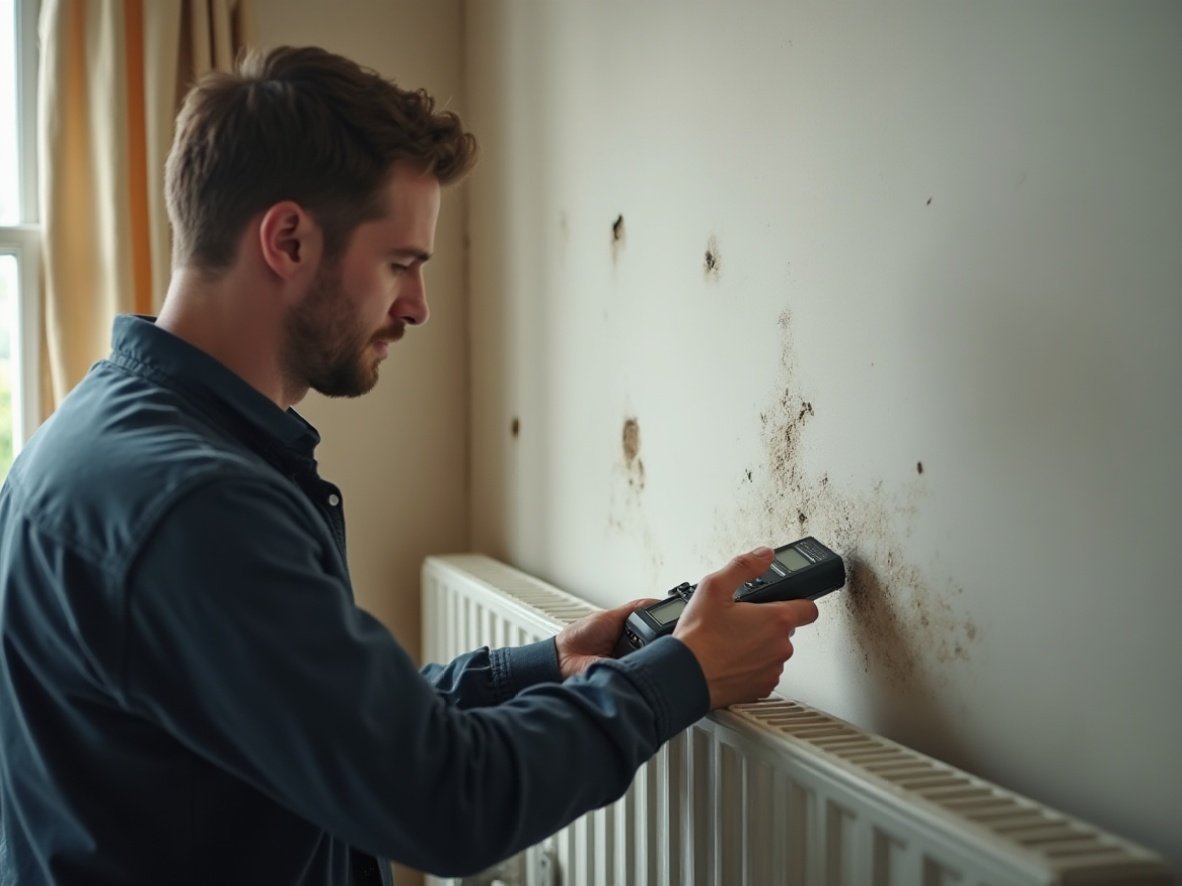
Proper Cause Detection
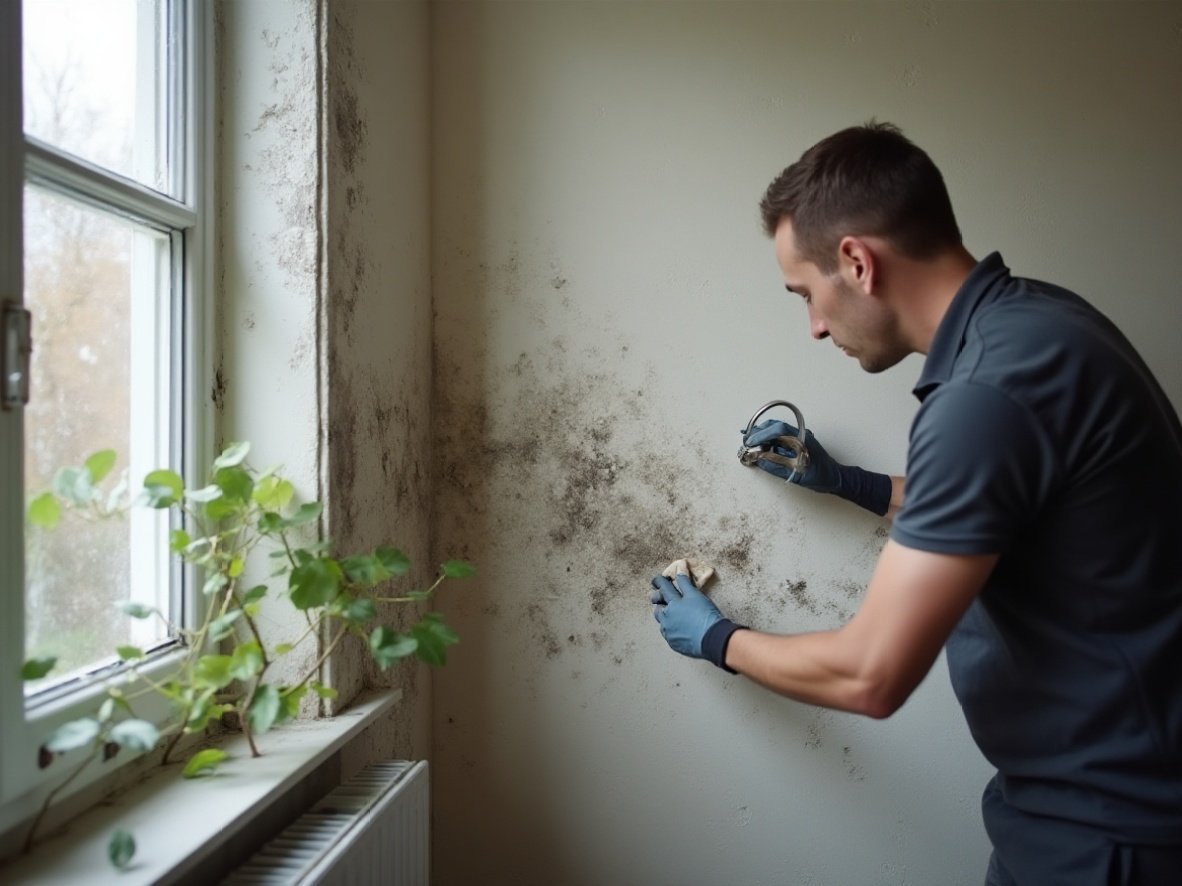
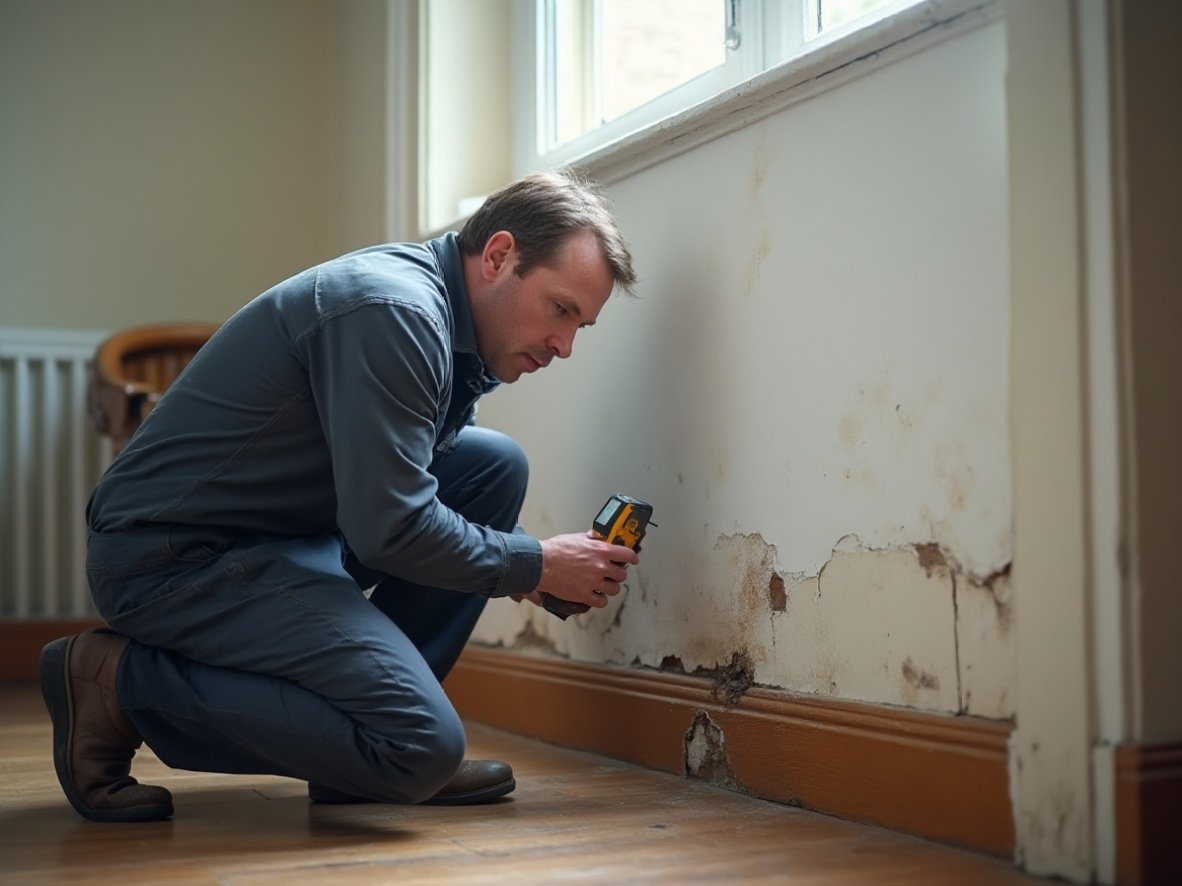
We don’t just remove visible mould. We identify whether it’s condensation, damp, or a hidden leak before treating it.
Black mould usually shows up where moisture has been sitting for a while, often around windows, corners, or behind furniture. At Mould Inspection London, we focus on understanding why it’s there before treating it, so the problem doesn’t return a few weeks later. In many London homes, especially older or poorly ventilated ones, proper treatment means dealing with both the mould and the conditions that caused it.



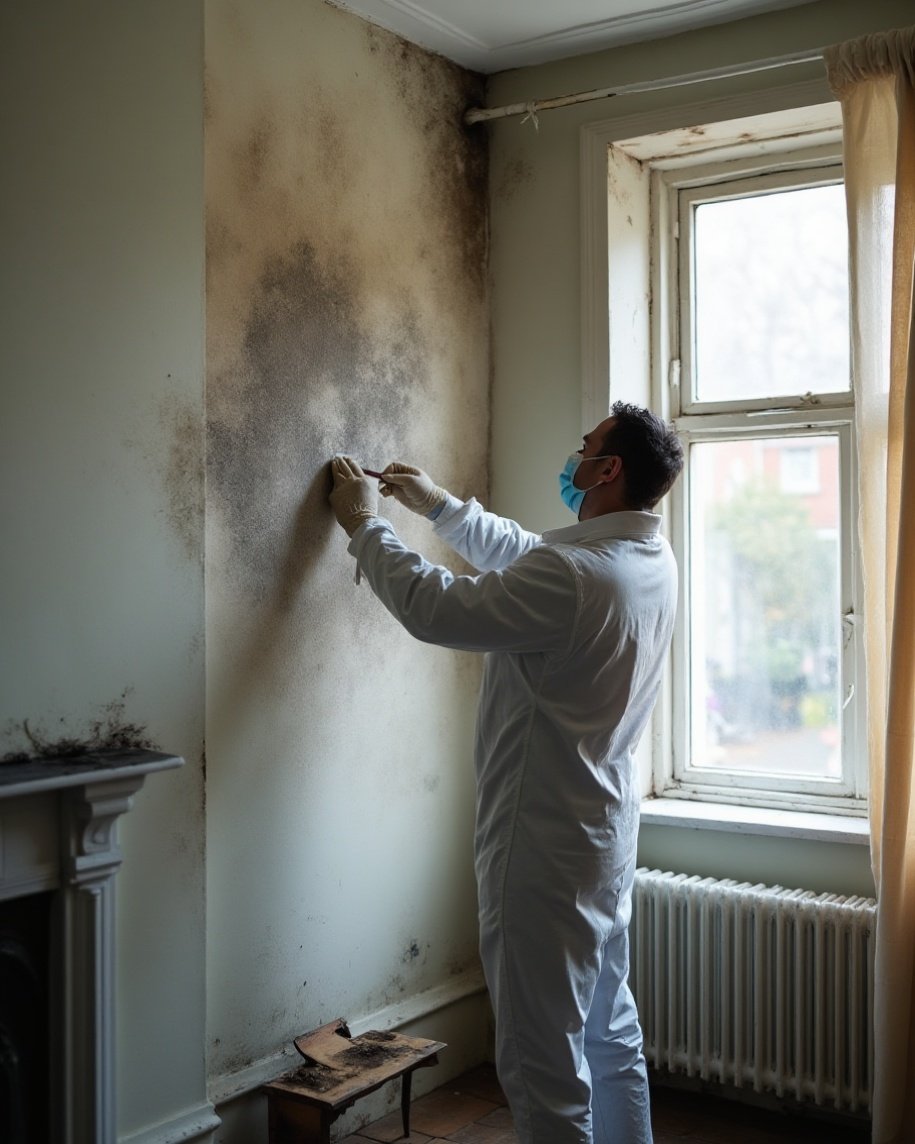
In a lot of London homes, black mould isn’t the main problem — it’s the visible sign of something happening behind the scenes. We’re often called after someone has already tried sprays or repainting, only to find the same patches coming back in corners, around window frames, or along ceiling lines.
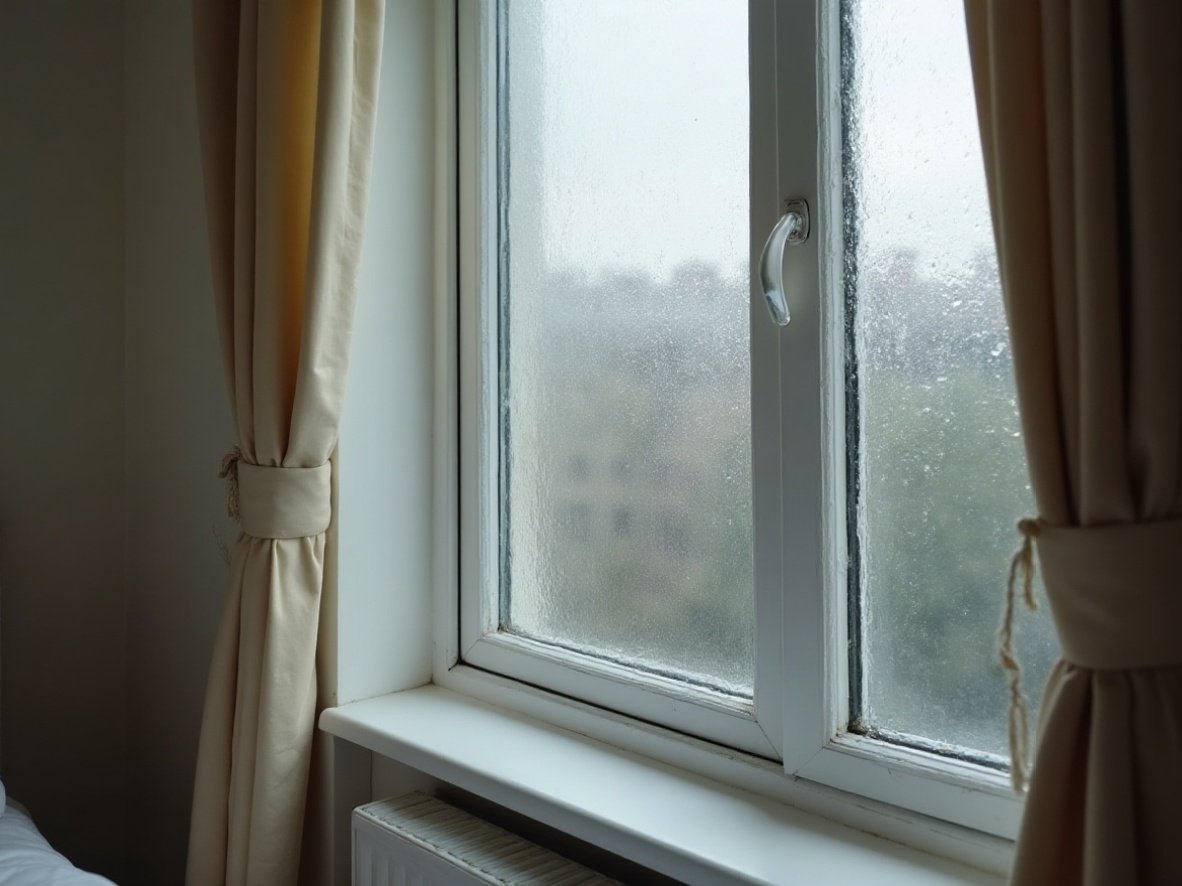
What matters is understanding how that area behaves day to day. Some rooms hold moisture longer than others. Bedrooms, for example, can trap humidity overnight, especially in properties with newer windows and limited trickle ventilation. That’s why mould often shows up behind beds or wardrobes rather than in open spaces.
We handled a job in Walthamstow where mould kept forming along the top edge of an external wall. The tenant assumed it was a leak, but it turned out to be a cold bridging issue — the wall was simply staying colder than the rest of the room, pulling moisture out of the air. Once that was identified, the treatment focused on both removing the mould and helping the room maintain a more balanced temperature.
The actual treatment varies depending on how deep the growth has gone. Light surface mould can be treated and cleaned effectively, but when it has worked its way into paint or plaster, parts of that surface may need to be stripped back. If that step is skipped, the mould often reappears through fresh paint within weeks.
There are also practical constraints we deal with regularly. In many London flats, access is tight — furniture can’t always be moved easily, and some affected areas sit behind fitted units or built-in storage. That affects how much we can treat in one visit and sometimes means the work is done in stages.
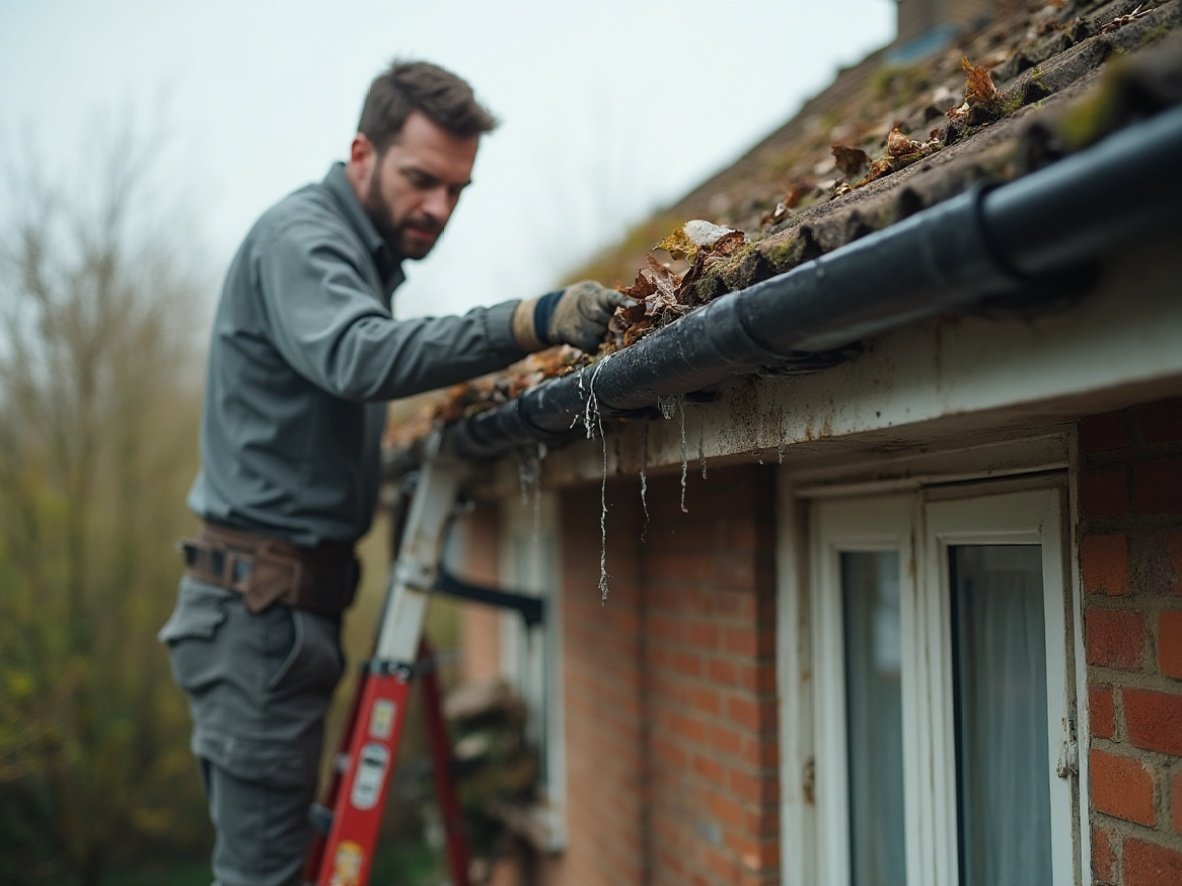
It’s also worth being clear about limitations. If the underlying cause is ongoing — like a hidden leak or consistently high humidity — treatment alone won’t permanently stop the issue. In those cases, we’ll point you toward the right fix first, then carry out the treatment once conditions are under control.

Mould kept coming back behind our wardrobe no matter how many times we cleaned it. The technician explained it was condensation getting trapped against the wall. After the treatment and moving the furniture slightly, it hasn’t returned.
Booked them after trying to deal with it myself for months. What I liked is they didn’t just clean it and leave — they explained why it was happening and what to change. Feels properly resolved now.
We had mould on the ceiling near the bathroom and thought it was just poor cleaning. Turned out the extractor fan wasn’t working properly. They sorted the mould and explained what needed fixing.
I was expecting a quick clean, but they pointed out a small leak I hadn’t noticed. That explained why the mould kept coming back. Glad we dealt with it properly instead of just covering it up again.
The mould around our windows was getting worse every winter. The visit was straightforward, no overcomplicating things. They treated the areas and explained how to manage condensation better. Big improvement since.
We had a constant musty smell in the bedroom and didn’t realise it was mould starting in the corner. They didn’t rush the job — first checked the room properly, then treated the area. Also gave practical advice that actually made sense.
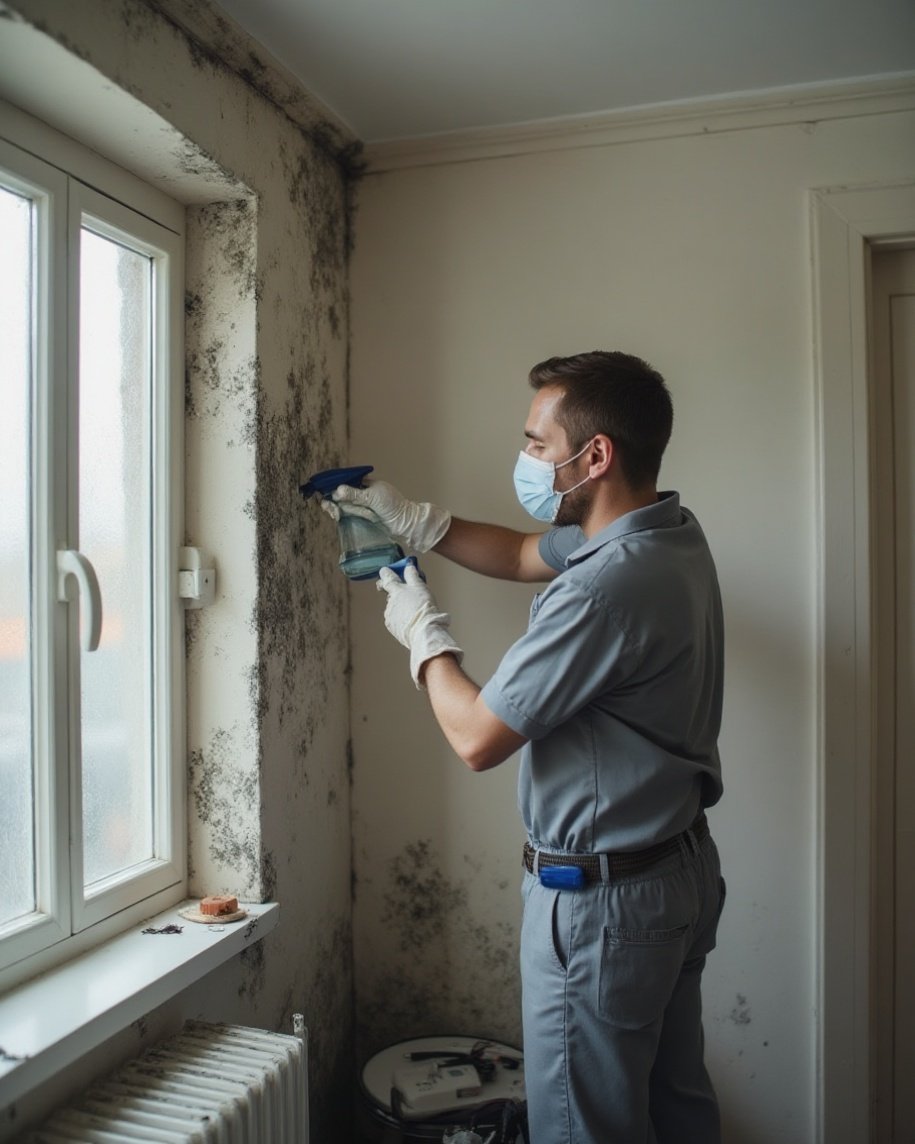
Once we’ve identified what’s driving the mould, the treatment is planned around that specific area rather than applied across the whole room. Not every wall needs the same approach. In many London properties, the issue is localised — one external corner, a ceiling edge, or a section behind furniture where air doesn’t circulate properly.
We handled a property in Battersea where black mould had formed along the ceiling line above a bay window. The rest of the room was fine. In that case, the treatment focused on that cold spot, combined with improving airflow around the window area. Treating the whole room wouldn’t have added any value.
The first step is controlled removal. This isn’t just wiping the surface — the aim is to break down the mould safely and remove it without spreading spores into the air. In occupied homes, that matters. We work in sections, keeping disruption low, especially in smaller flats where rooms are in constant use.
After removal, the surface is treated to deal with any remaining spores. If the mould has affected paint or plaster, that layer may need to be taken back. This is often where delays happen. Surfaces need time to dry properly before anything is reapplied. Rushing this part is one of the main reasons mould returns through fresh decoration.
Drying conditions also play a role. In winter, for example, rooms can take longer to stabilise, particularly in properties that are heated intermittently. We usually advise leaving treated areas undecorated for a short period so the surface can fully settle.
There are also situations where treatment needs to pause. If we detect signs of an active leak or ongoing damp ingress, it’s more effective to fix that first. Otherwise, even a well-done treatment won’t hold long term.
At Mould Inspection London, the focus is always on getting the conditions right alongside the treatment. That’s what makes the difference between a short-term clean and a result that actually lasts.
Recurring Mould Solved
We regularly deal with mould that keeps coming back — identifying the real cause before treating it properly.
Cause, Not Just Cleaning
We don’t just remove surface mould. We check moisture levels, airflow, and hidden issues behind the problem.
Built for London Homes
From compact flats to older properties, we understand how mould develops in real London living conditions.
Clear, Practical Advice
You’ll know exactly what caused the issue and what needs to change to stop it returning.