
WHEN A MOULD REPORT NEEDS A CLEAR RESPONSE
Mould Inspection Tooting
If a tenant sends photographs of mould in a bedroom that was repainted last year, the next booking needs more than another decorating instruction. In Tooting, we bring the occupier’s account, earlier maintenance and accessible moisture checks into the same conversation so the person arranging the work can choose an informed next step.
- Arrange the visit around the occupier’s observations
- Bring earlier repairs and current symptoms into one discussion
- Agree access, reporting and next steps before authorising work
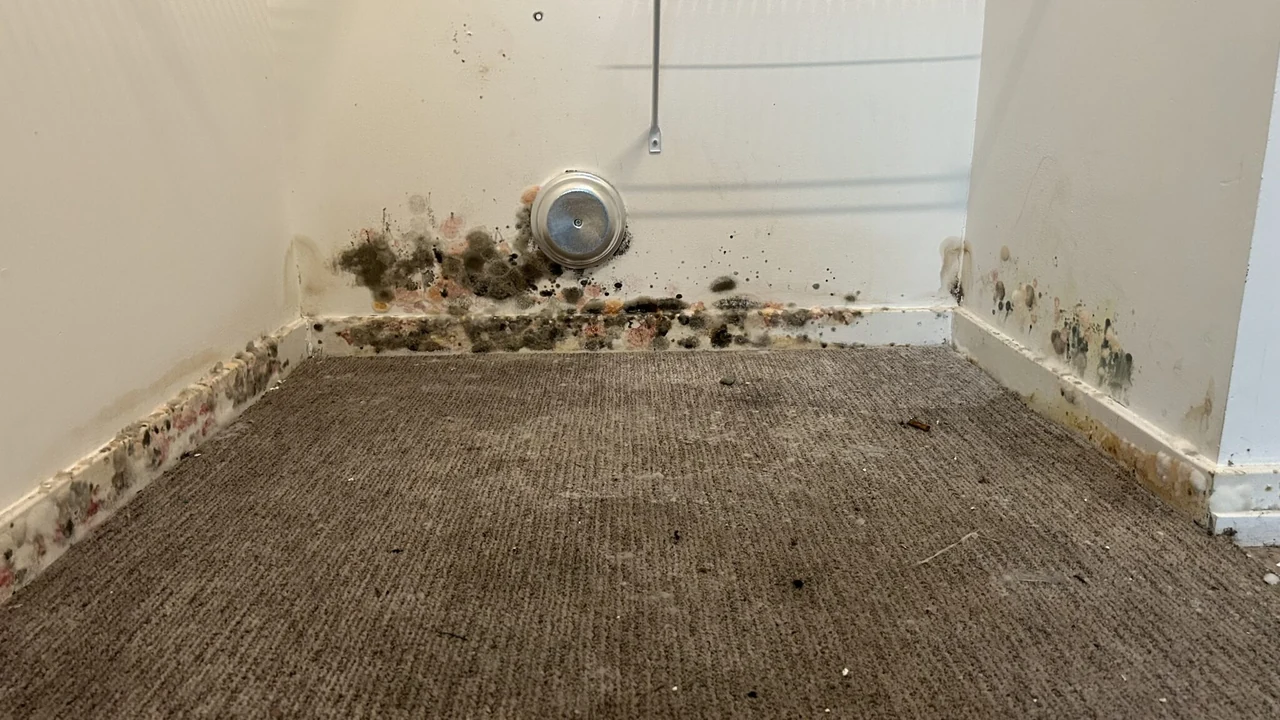
Reference photograph: iDry Columbus (CC BY 4.0); resized, converted to WebP and displayed with layout crops. Not evidence of a company job.
The photograph is a starting point, not a verdict
An occupier may notice the pattern long before anyone else visits: moisture after a shower, growth behind a bed, or a stain that changes after rain. Ask for those observations rather than only requesting a close-up of the darkest mark. The timing can be useful evidence.
The person arranging the visit and the person living there may have different information. A landlord can provide maintenance records, while the tenant can explain how the room behaves through the day. Putting the two accounts together helps avoid a visit that merely repeats an earlier assumption.
THE OCCUPIER’S ACCOUNT
When the occupier keeps cleaning the same corner
Repeated cleaning can make the original extent harder to see. Dated photographs help, but they do not show the moisture content behind a finish. We look at the accessible wall, its surroundings and possible sources relevant to the pattern. Furniture or a blocked inspection point may need access arrangements in advance.
A discussion about mould in an occupied rental should separate the work proposed from questions about permission or payment. The inspection concerns property conditions; it is not a decision about legal responsibility or a substitute for advice on a tenancy dispute.
THE AGENT’S APPOINTMENT
Plan the appointment so it can answer the right questions
Tell us which rooms need checking, who will open the property and whether written findings are required. Explain any known leak, recent decoration or fan replacement. If the concern may extend to another flat or a shared part of the building, discuss that access before the appointment.
For an agent arranging the work, inspection and reporting for rental properties can be scoped around the information needed. A useful record distinguishes observations, likely explanations, uninspected areas and recommended next checks. It should not present an inaccessible void as a confirmed source.
BETWEEN TENANCIES
An owner preparing for the next tenancy
An empty room may not behave exactly as it did when occupied. Explain the earlier history even if little is visible on the inspection day. A fresh coat of paint or a dry spell can change the appearance without answering the underlying question.
Where a damp patch remains, investigating the moisture before redecoration may help clarify what needs attention. If mould treatment is also needed, agree the affected materials and access. Do not bundle unrelated repairs into the word “inspection” and leave the person booking unsure what is included.
The actual home matters more than an area-wide assumption
Tooting contains different property arrangements. The council’s Totterdown Fields appraisal describes a cottage estate, which is a specific part of the local housing context. It does not justify diagnosing every Tooting rental as a cottage with the same ventilation or moisture issue.
For the property being inspected, show which walls face outdoors and where the relevant bathroom or kitchen sits. In a house shared between occupants, tell us which areas are accessible. If ventilation is a concern, an assessment of the available airflow arrangements can be considered without assuming that everyday habits explain all the evidence.

Reference photograph: Christine Matthews (CC BY-SA 2.0); resized, converted to WebP and displayed with layout crops. Not evidence of a company job.
The cottage-estate description comes from the Totterdown Fields conservation area appraisal.
Leave with a practical next conversation
The findings should make it easier to discuss the next work with the owner, occupier or agent. Ask what needs repairing, what surface treatment can achieve and whether a further check is required before either step. The answer may involve more than one appointment or contractor.
If the explanation remains uncertain because an area could not be reached, record that limit. It is better to organise the missing access than to describe a suspected cause as settled. Let everyone receiving the findings know what was actually inspected.
Booking and reporting for a rented home
Can a letting agent book on behalf of the owner?
Yes, provide the access contact and explain who is authorising the appointment and receiving the findings. Share the occupier’s observations as well as the maintenance record so the visit addresses the current concern.
Will you tell us whether the tenant caused the mould?
We assess the accessible property and moisture evidence within the agreed scope. The findings should not turn an observation about airflow into an automatic judgement about responsibility. Legal or payment questions need to be handled separately.
The flat is empty now. Is an inspection still useful?
Earlier photographs and the sequence of complaints become particularly helpful. Conditions on the day may differ from those during occupation, so explain the changes and understand the limits of a single visit.
Can tenants attend while the inspection takes place?
Their account of when and where moisture appears can be useful. Arrange a workable appointment and permission with the relevant parties; tell us beforehand if there are access or communication constraints.
What should a written report cover?
Discuss the format you need before booking. The agreed findings should identify the areas checked, relevant observations, any limits to access and practical next questions. Additional testing or a specialist report is not automatically included.
Should repairs be arranged before mould treatment?
The order depends on the moisture source and the affected materials. Explain the proposed repair so the relationship to treatment can be discussed. An unresolved water issue can undermine an improvement to the visible surface.
Nearby areas we cover
Make the next appointment count.
Have the occupier’s photographs and the repair history available when you call. We can discuss access and the findings you need for the Tooting property.