Proper Cause Detection
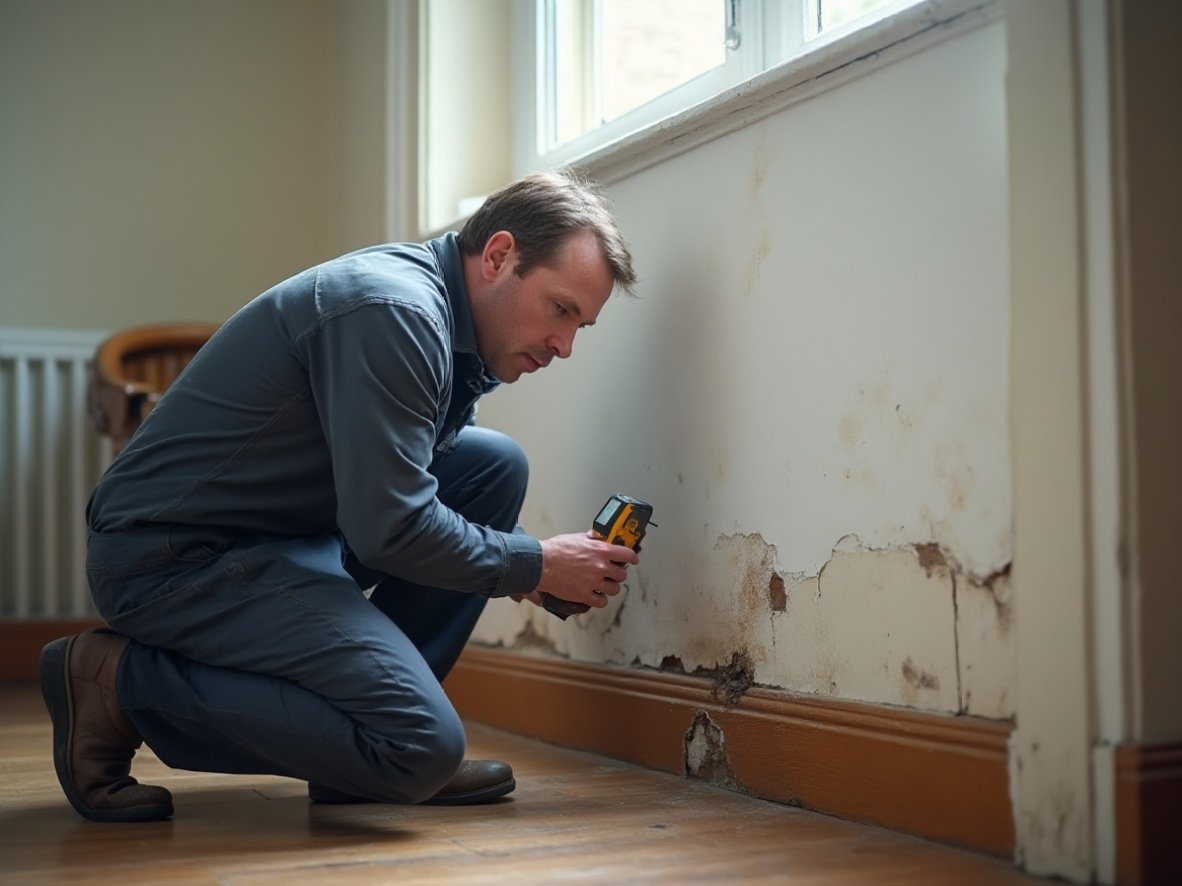
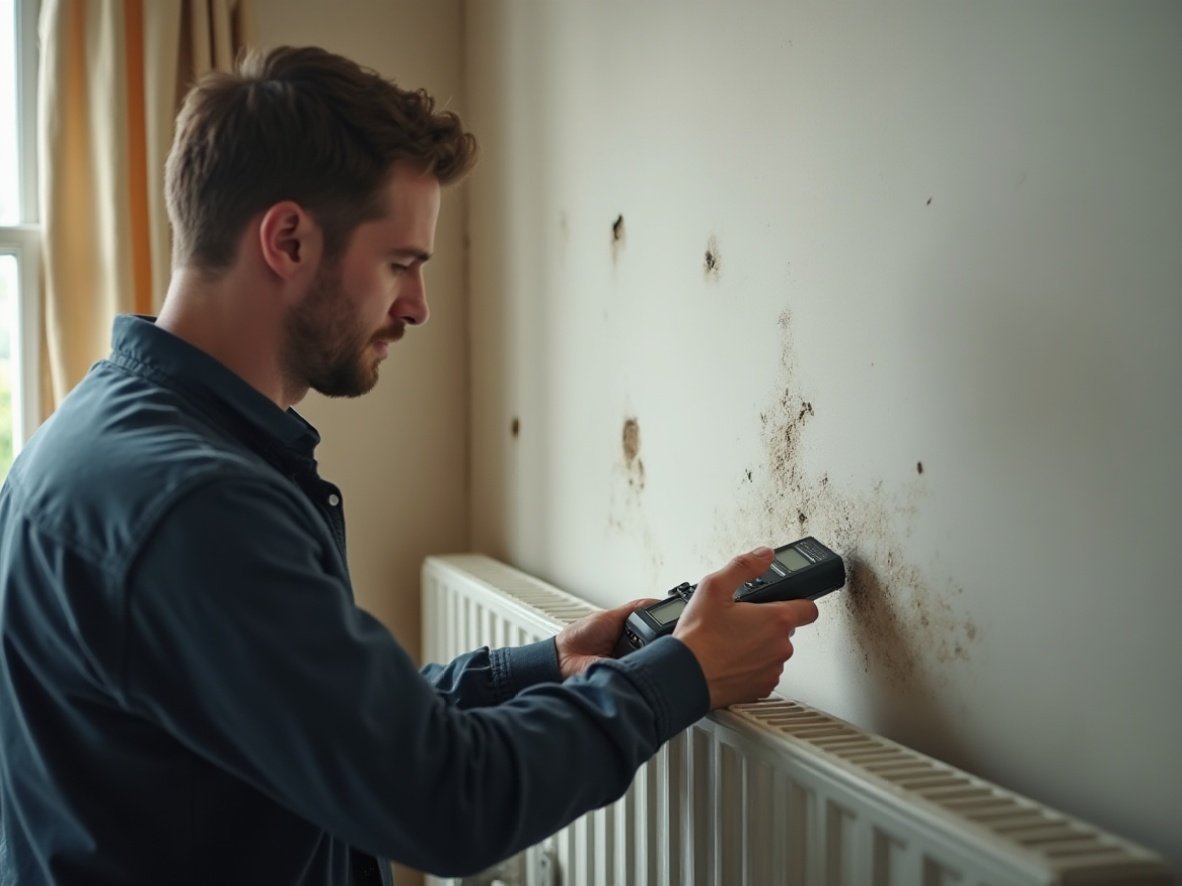
We don’t just remove visible mould. We identify whether it’s condensation, damp, or a hidden leak before treating it.
Landlord mould issues in London often come down to proving what’s actually causing the problem, especially in tenant-occupied properties. At Mould Inspection London, we focus on clear findings and real conditions inside the property, not assumptions. This helps landlords make informed decisions, whether it’s resolving a dispute, planning treatment, or preventing the issue from returning.



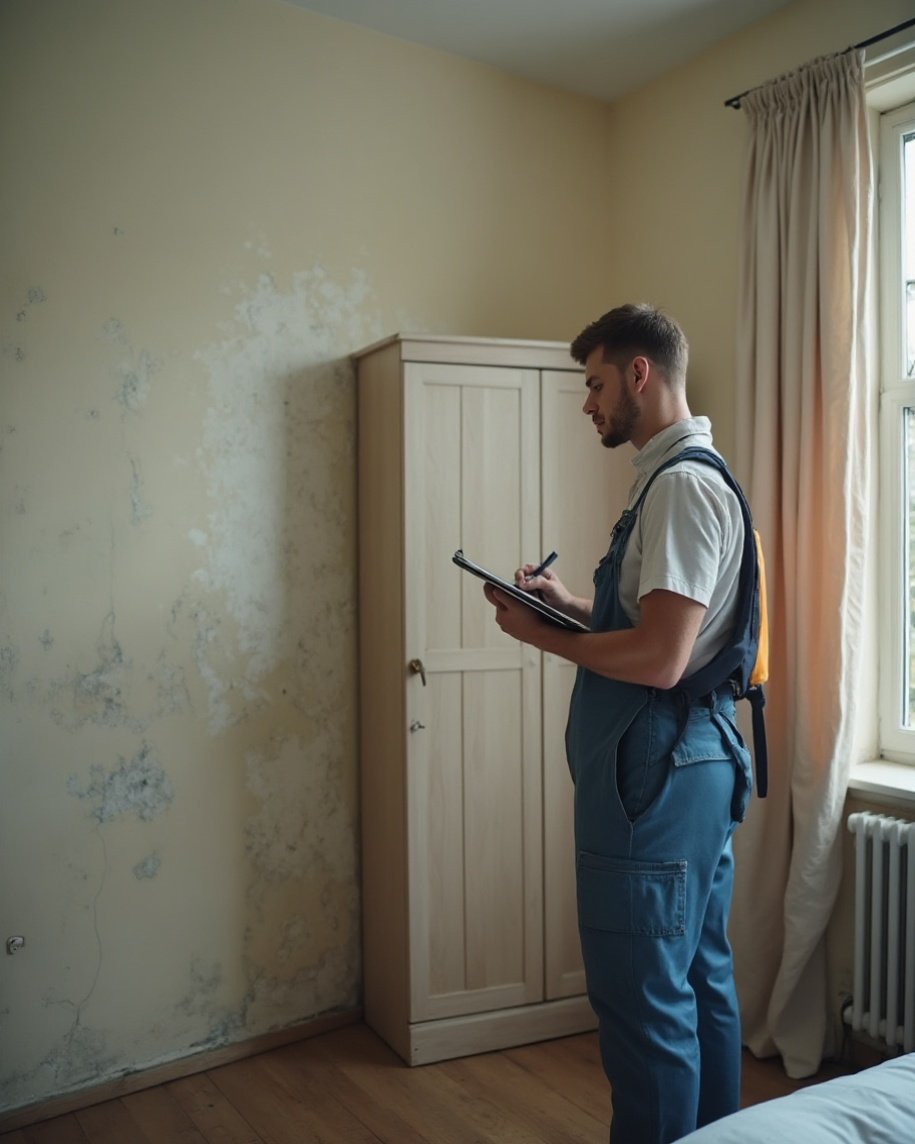
Mould problems in London rentals are rarely straightforward. What looks like a simple patch on a wall often turns into a question of responsibility — is it how the property is used, or is there an underlying issue with the building? In many cases, it’s a mix of both, and that’s where a proper inspection becomes important.
We were recently called to a ground-floor flat in Lewisham where mould had developed along the lower part of a bedroom wall. The tenant reported it as damp coming through from outside, while the landlord believed it was condensation from drying clothes indoors. The inspection showed elevated humidity levels in the room, but also identified a cold external wall that was holding moisture longer than it should. Without checking both sides, the situation would have stayed unresolved.
For landlords, the goal isn’t just removing mould — it’s understanding the cause and having something clear to act on. At Mould Inspection London, we focus on how the property behaves in real conditions. That means looking at ventilation, heating patterns, and how moisture is generated and managed inside the space.
In many London flats, especially those with tenants, airflow is restricted without anyone realising it. Windows stay closed, extractor fans aren’t used properly, or furniture blocks key areas where air should circulate. Over time, this leads to repeated moisture build-up, which then turns into visible mould.
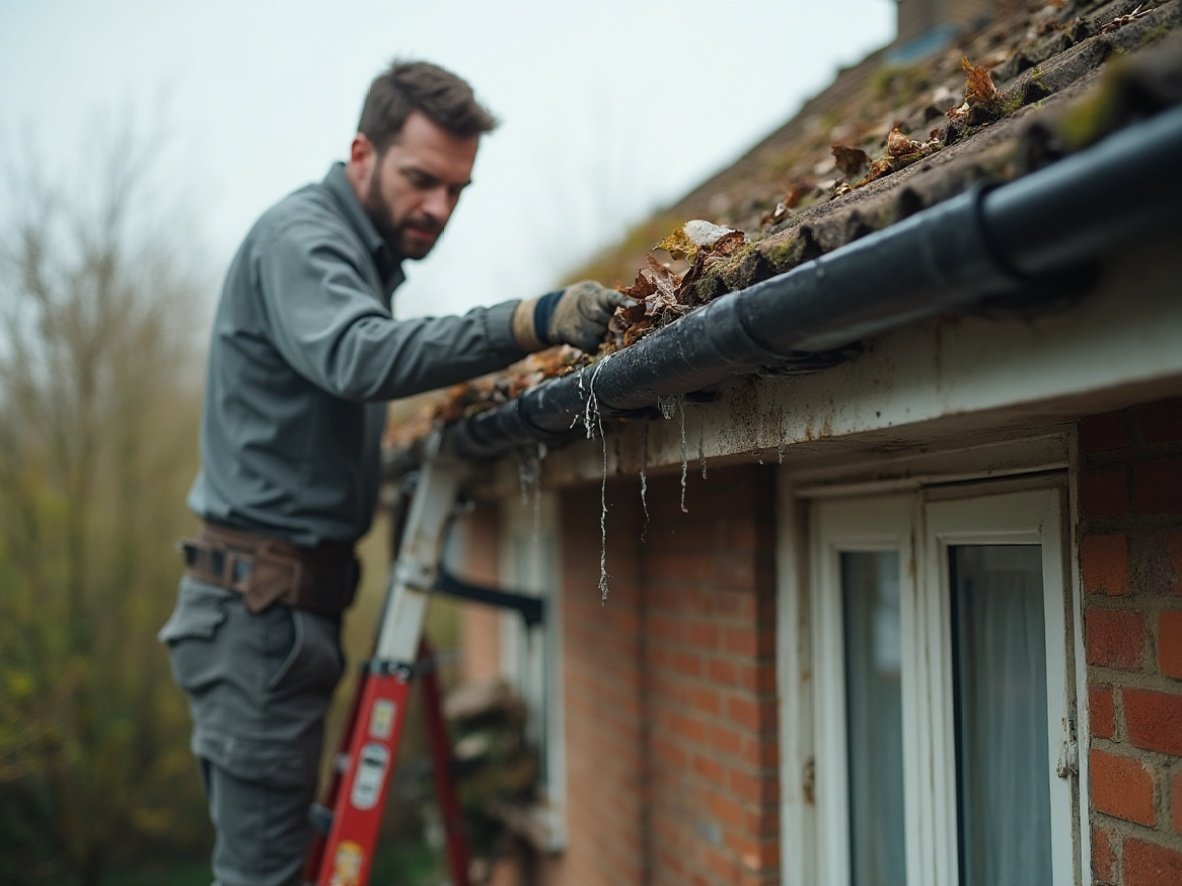
At the same time, we also check for structural factors. Poor insulation, minor leaks, or cold bridging can all contribute. These aren’t always obvious, but they affect how surfaces react to moisture. A wall that stays cold will attract condensation more easily, even if the overall humidity isn’t extreme.
After the assessment, the focus is on giving clear, workable next steps. That might involve targeted treatment, improving ventilation, or addressing a specific fault within the property. In some cases, it’s about confirming that the issue is linked to usage patterns rather than the structure itself.
There are also situations where immediate treatment isn’t the right first step. If moisture is still entering the property or conditions haven’t stabilised, dealing with mould alone won’t hold long term. In those cases, we’ll explain what needs resolving first before any treatment is carried out.
The aim is to give landlords a realistic view of the problem — what’s causing it, what can be done, and what outcome to expect once the right steps are taken.

Mould kept coming back behind our wardrobe no matter how many times we cleaned it. The technician explained it was condensation getting trapped against the wall. After the treatment and moving the furniture slightly, it hasn’t returned.
Booked them after trying to deal with it myself for months. What I liked is they didn’t just clean it and leave — they explained why it was happening and what to change. Feels properly resolved now.
We had mould on the ceiling near the bathroom and thought it was just poor cleaning. Turned out the extractor fan wasn’t working properly. They sorted the mould and explained what needed fixing.
I was expecting a quick clean, but they pointed out a small leak I hadn’t noticed. That explained why the mould kept coming back. Glad we dealt with it properly instead of just covering it up again.
The mould around our windows was getting worse every winter. The visit was straightforward, no overcomplicating things. They treated the areas and explained how to manage condensation better. Big improvement since.
We had a constant musty smell in the bedroom and didn’t realise it was mould starting in the corner. They didn’t rush the job — first checked the room properly, then treated the area. Also gave practical advice that actually made sense.
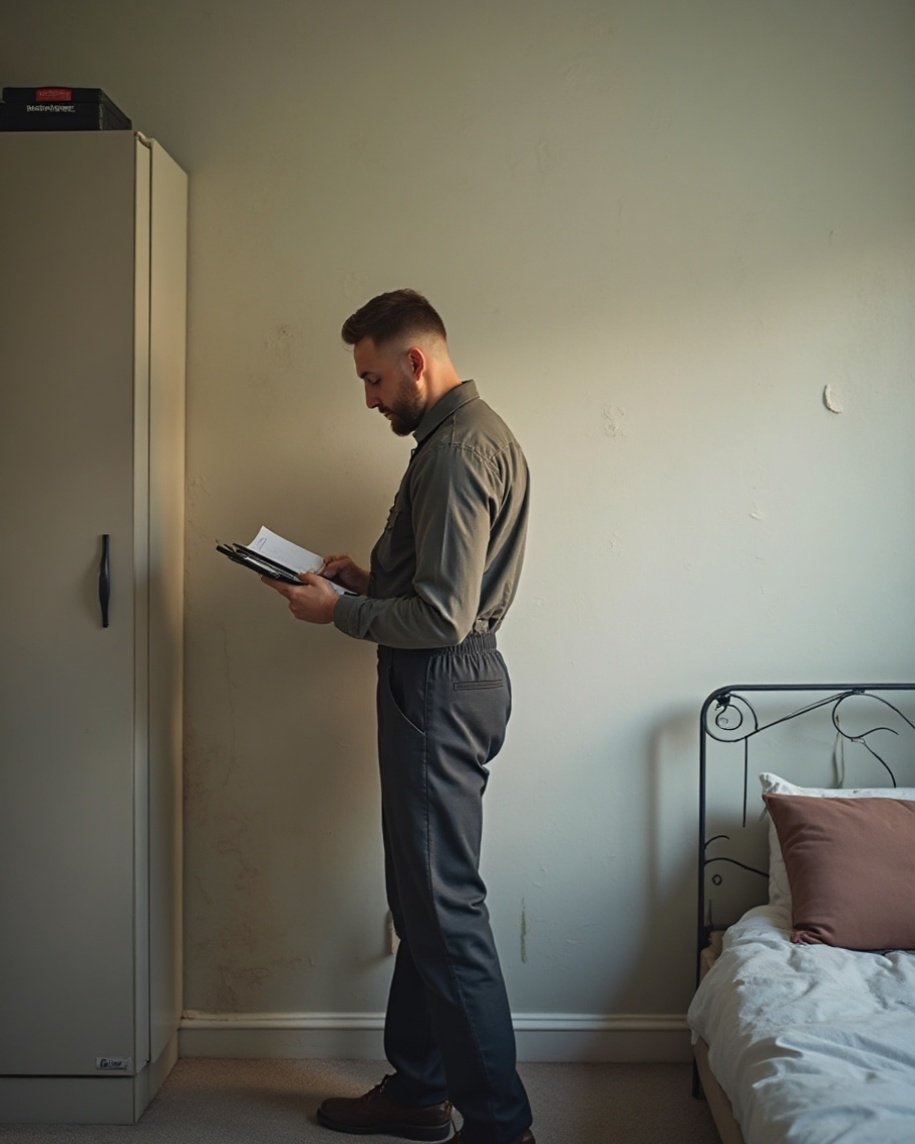
One of the more difficult parts of mould in rental properties isn’t the treatment — it’s the communication around it. Tenants often report what they see, which is usually visible mould, while the underlying cause is less obvious. Without a clear explanation, the issue can go back and forth without being properly resolved.
We were called to a flat in Haringey where the same bedroom wall had been treated twice over a year. Each time, the mould returned. The tenant believed the property had damp coming through the wall, but the inspection showed consistently high indoor humidity and almost no background ventilation. The room was being used for drying laundry, and the windows remained shut most of the time. Once that was addressed alongside treatment, the problem stopped repeating.
From a landlord’s point of view, having clear findings helps avoid guesswork. Instead of relying on assumptions, you have a breakdown of what’s happening inside the property — where moisture is generated, how it behaves, and what’s causing it to settle in certain areas. That makes it easier to decide what action is needed and to explain it properly to tenants or agents.
There are also practical limitations in occupied properties. Access isn’t always straightforward, and some affected areas may be behind furniture or in rooms that are in constant use. That can affect how quickly treatment can be carried out and sometimes means work needs to be scheduled in stages.
It’s also worth noting that mould issues don’t always have a single cause. In many London rentals, we see a combination of ventilation gaps, cold surfaces, and everyday moisture build-up. Addressing only one part of that often leads to the issue coming back. A proper service looks at the full picture so the solution actually holds over time.
Recurring Mould Solved
We regularly deal with mould that keeps coming back — identifying the real cause before treating it properly.
Cause, Not Just Cleaning
We don’t just remove surface mould. We check moisture levels, airflow, and hidden issues behind the problem.
Built for London Homes
From compact flats to older properties, we understand how mould develops in real London living conditions.
Clear, Practical Advice
You’ll know exactly what caused the issue and what needs to change to stop it returning.