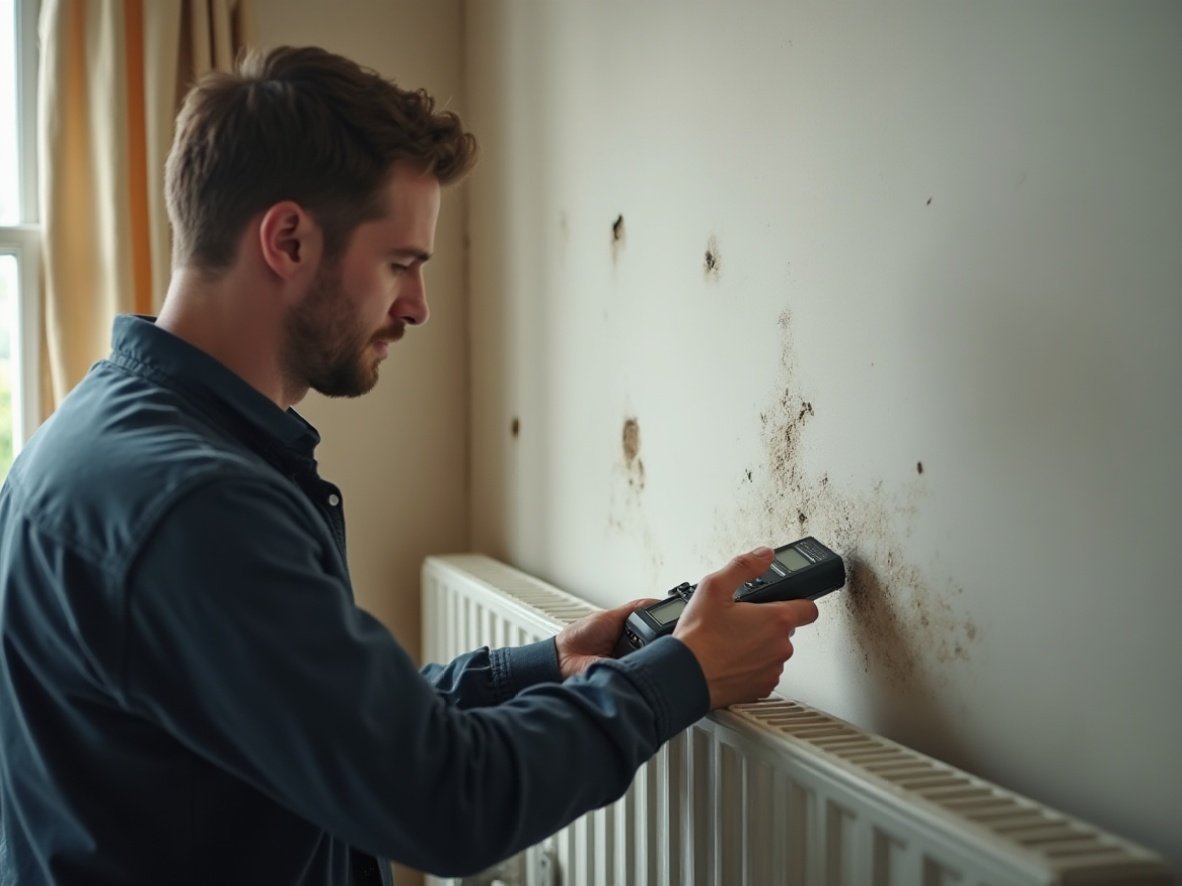
Proper Cause Detection
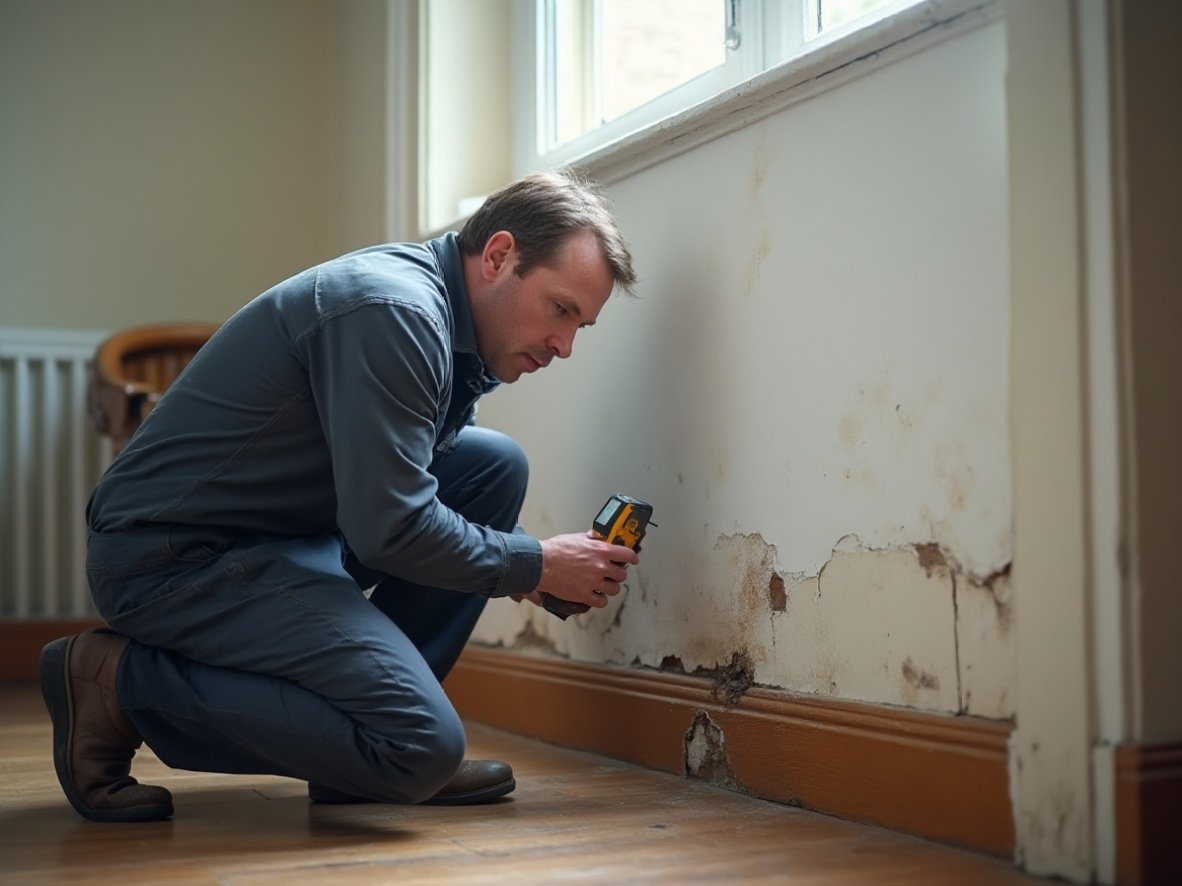
We don’t just remove visible mould. We identify whether it’s condensation, damp, or a hidden leak before treating it.
Mould in a rented property can be difficult to deal with, especially when it keeps coming back after cleaning. In many London flats, tenants notice it first on walls, ceilings, or around windows where moisture settles. At Mould Inspection London, we focus on safe removal while also identifying what’s causing the issue in your living space. This helps you understand whether it’s linked to everyday conditions like condensation or something within the property itself. The aim is to resolve the problem properly, not just temporarily improve how it looks.




Most tenants don’t call at the first sign of mould. It usually starts small — a patch in the corner, a bit of discolouration around a window, or a faint smell that doesn’t go away. People clean it, repaint it, or try sprays, and for a short time it looks better. Then it comes back in the same place, sometimes worse.
In London flats, this pattern is very common. We recently attended a one-bedroom flat in Peckham where the tenant had cleaned black mould from the bedroom wall three times over winter. Each time it returned within a couple of weeks. The issue wasn’t the cleaning — it was ongoing moisture build-up in a room that stayed closed most of the day, combined with a cold external wall.
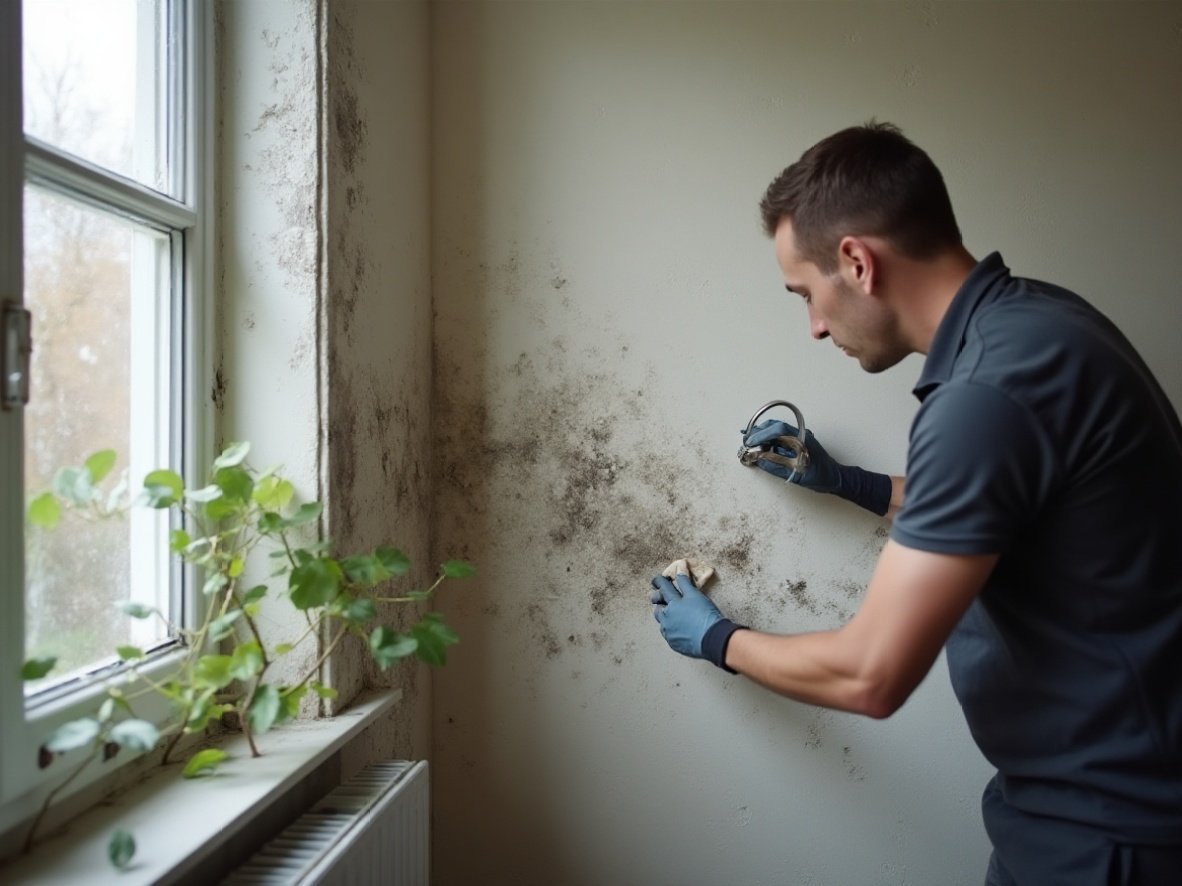
For tenants, the process needs to be practical and safe. In most cases, you’re still living in the property while the work is done, so we focus on controlled mould removal without spreading spores into the air. That means working in sections, especially in smaller flats where space is limited.
The first step is understanding the cause. We look at how the room is used, where humidity levels are highest, and how air moves through the property. Bathrooms, kitchens, and bedrooms all behave differently, and the treatment needs to reflect that. Removing mould without checking these factors often leads to the same issue returning.
Once the affected area is treated, surfaces may need time to dry properly before anything is redecorated. This is where people often rush. Painting too soon can trap moisture underneath, which allows mould to reappear through the new surface.
There are also limitations, especially in rented properties. If the underlying cause is still present — for example, poor ventilation or a structural issue — the mould can come back even after proper treatment. In those situations, we explain what’s happening so you can raise it clearly with the landlord or letting agent.
Access can also affect how the work is done. Furniture, storage, or tight layouts can make certain areas harder to reach, particularly behind wardrobes or beds where mould often develops due to restricted airflow.
At Mould Inspection London, the focus is on giving tenants a clear picture of the problem and a realistic way forward. That includes safe removal, but also understanding why it started and what needs to change to stop it returning.

Mould kept coming back behind our wardrobe no matter how many times we cleaned it. The technician explained it was condensation getting trapped against the wall. After the treatment and moving the furniture slightly, it hasn’t returned.
Booked them after trying to deal with it myself for months. What I liked is they didn’t just clean it and leave — they explained why it was happening and what to change. Feels properly resolved now.
We had mould on the ceiling near the bathroom and thought it was just poor cleaning. Turned out the extractor fan wasn’t working properly. They sorted the mould and explained what needed fixing.
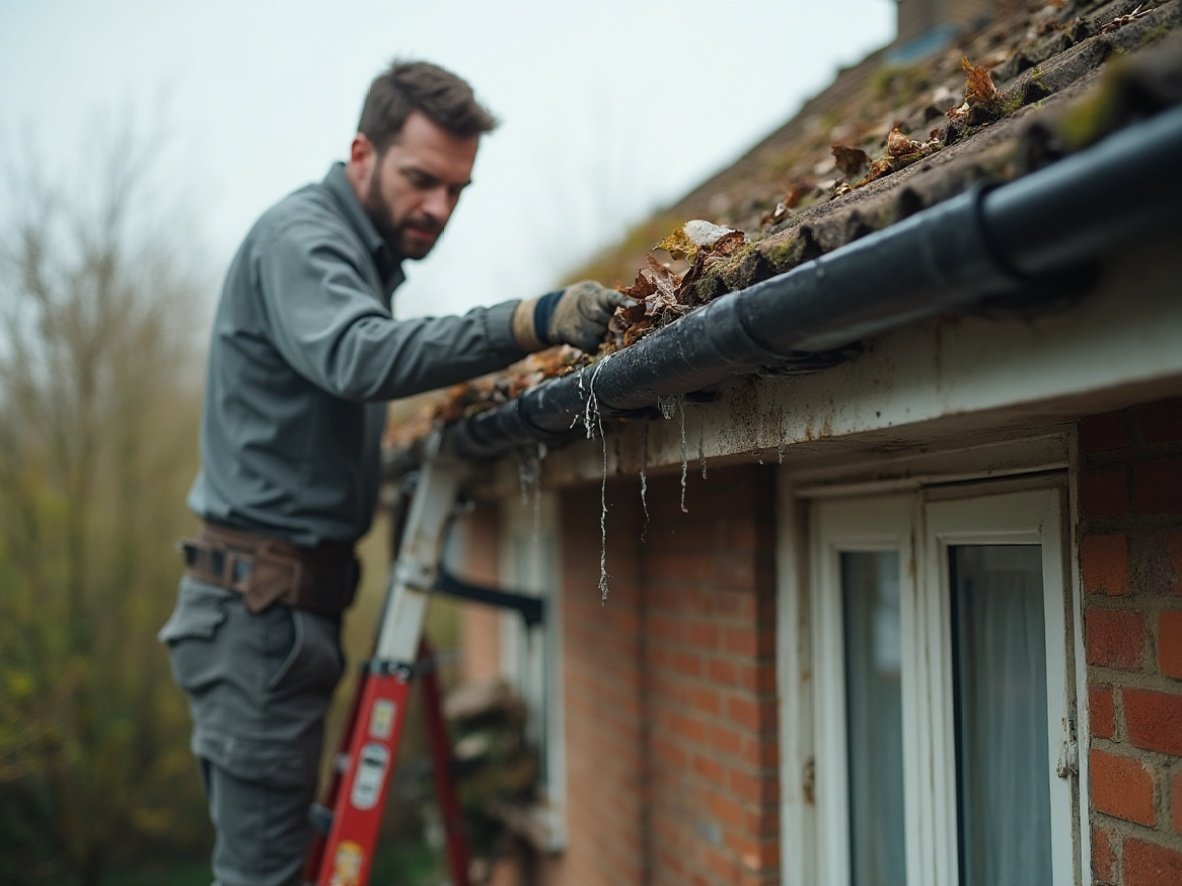
I was expecting a quick clean, but they pointed out a small leak I hadn’t noticed. That explained why the mould kept coming back. Glad we dealt with it properly instead of just covering it up again.
The mould around our windows was getting worse every winter. The visit was straightforward, no overcomplicating things. They treated the areas and explained how to manage condensation better. Big improvement since.
We had a constant musty smell in the bedroom and didn’t realise it was mould starting in the corner. They didn’t rush the job — first checked the room properly, then treated the area. Also gave practical advice that actually made sense.

After treatment, the biggest difference comes from how the room is used day to day. In many London flats, small changes can reduce moisture build-up quite quickly, especially in bedrooms and living areas where mould tends to return.
We recently worked in a flat in Hackney where mould had formed behind a wardrobe placed against an external wall. The tenant had no idea it was there until the smell became noticeable. Once the area was treated and the furniture moved slightly to allow airflow, the conditions improved and the issue didn’t come back.
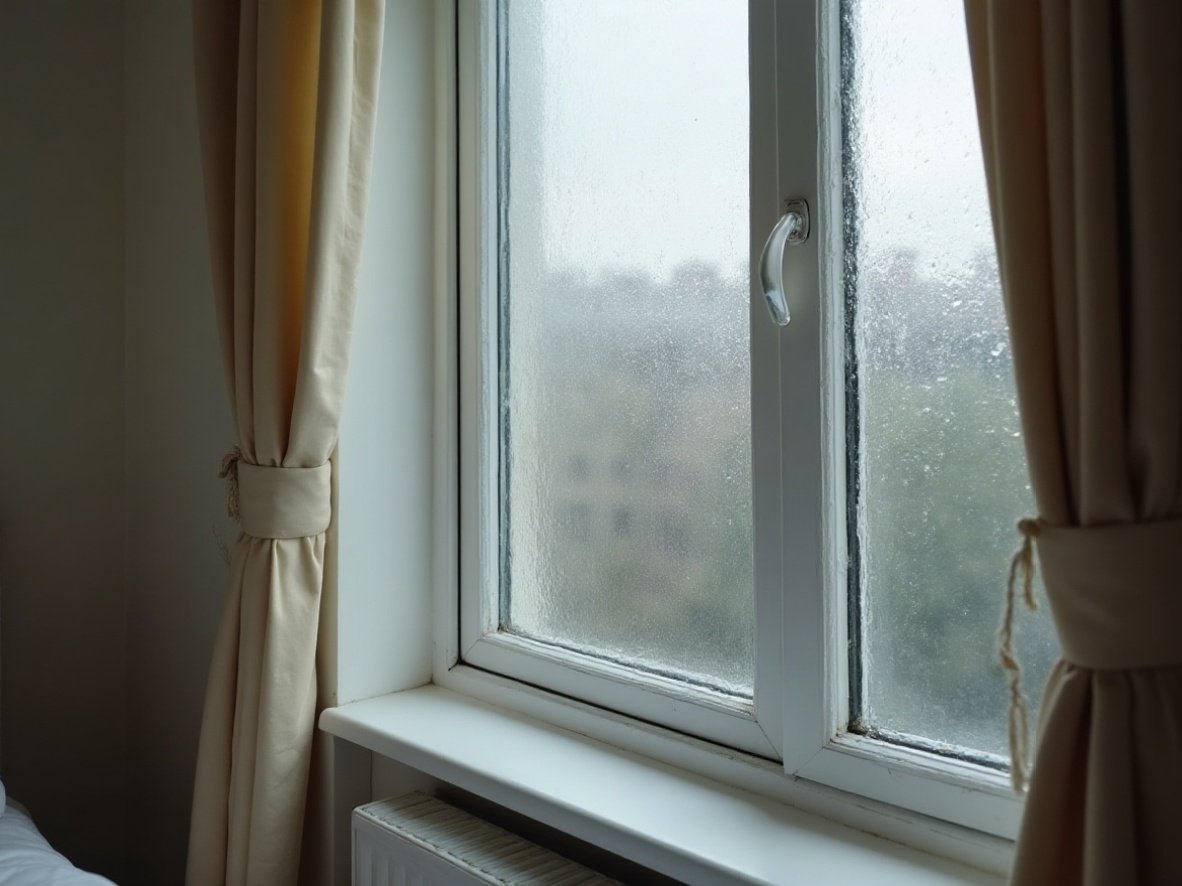
One of the key things to understand is how quickly humidity levels can rise indoors. Even normal activities like sleeping or drying clothes can increase moisture in a closed room. If that moisture isn’t released, it settles on colder surfaces like walls and window areas, creating the same cycle again.
Simple habits can help, but they need to be consistent. Letting air move through the property, using extraction in kitchens and bathrooms, and avoiding trapping air in corners all reduce how long humid air stays inside. It’s not about making big changes — it’s about preventing moisture from sitting in the same place repeatedly.
There are also situations where tenants have limited control. If the property has poor ventilation or certain walls stay consistently cold, those areas will always be more prone to condensation. In those cases, the best approach is to manage the conditions as much as possible and communicate clearly with the landlord about any ongoing issues.
At Mould Inspection London, we aim to give tenants practical advice that fits real living conditions. The goal is not just to remove the mould, but to help you avoid dealing with the same problem again a few weeks later.
Recurring Mould Solved
We regularly deal with mould that keeps coming back — identifying the real cause before treating it properly.
Cause, Not Just Cleaning
We don’t just remove surface mould. We check moisture levels, airflow, and hidden issues behind the problem.
Built for London Homes
From compact flats to older properties, we understand how mould develops in real London living conditions.
Clear, Practical Advice
You’ll know exactly what caused the issue and what needs to change to stop it returning.