
DIFFERENT HOUSEMATES NOTICE DIFFERENT THINGS
Mould Inspection Stoke Newington
One person sees wet bedroom glass, another reports a musty cupboard and somebody else has noticed a bathroom fan stopping too soon. For a shared Stoke Newington home, a moisture inspection can organise those observations into room-specific questions rather than make every account fit one explanation.
- Label observations by room, surface and person reporting them
- Keep shared equipment facts separate from personal-room patterns
- Agree entry and follow-up without asking housemates to diagnose the home
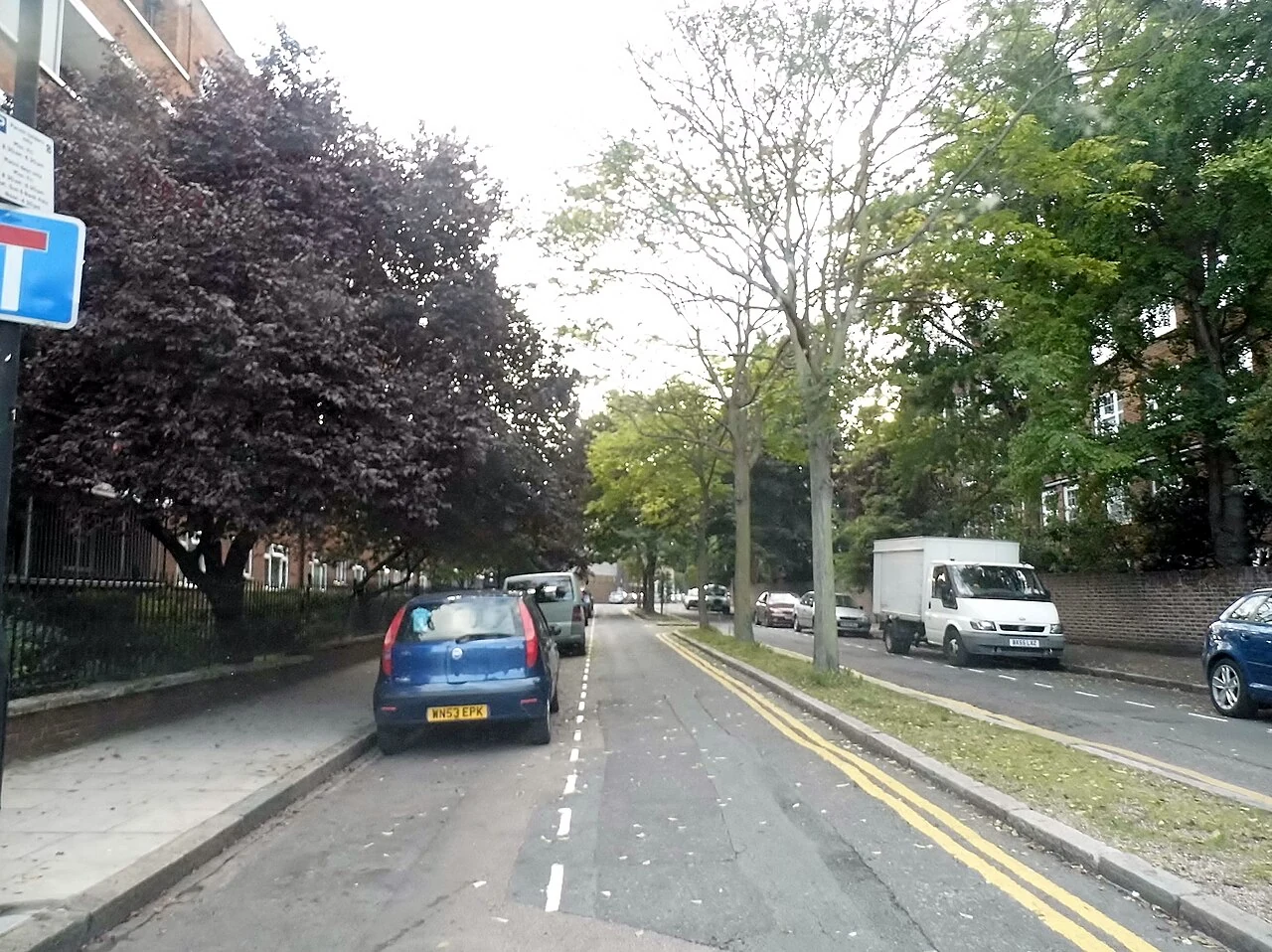
Property reference photograph; not a company job. Photo: David Howard · CC BY-SA 2.0 (resized WebP).
Start with a short account from each affected room
Ask each person to identify the surface and when it changes. A photograph should show its position relative to a window, wall or fitting. Keep the accounts separate: they may concern different symptoms even when everyone uses the same word damp.
Our tenant-focused enquiries can discuss the reported accessible areas with an appropriate contact. The shared-house scenario is not a claim about the prevalence of a housing type in Stoke Newington. Its value is a practical way to prevent useful observations being lost between several messages.
Shared equipment needs one factual account
Identify the bathroom and kitchen extraction, accessible controls and any known discharge route. Say who has noticed a fault and what it does, rather than collect different assumptions about whether the fan works. A motor starting is not the same observation as humid air being removed effectively.
Discuss room and extraction checks where relevant. Normal cooking, bathing and heating help interpret the space, but an account of everyday use should not become an allocation of blame between housemates. A reported building or equipment issue still needs consideration.
If a control has been changed, identify the date and setting if known. That is more useful than a general statement that somebody adjusted the fan, particularly if the room pattern changed afterwards.
Keep distinct moisture routes in view
A wet pane overnight and a wall darkening after rainfall may involve different questions. Do not merge them into a single whole-house humidity conclusion. Explain the room layout so a potentially connected surface can be identified without assuming every mark shares a source.
A persistent-wall assessment can be discussed for the relevant room. Accessible checks need the material and position understood, while an exterior or concealed detail may require further scope. Shared occupation does not by itself exclude a building water route.
Arrange entry without making every housemate attend
Identify who can provide access to the agreed rooms and shared areas. Somebody absent can supply a labelled history in advance, but a photograph does not replace every physical check. Tell us if an affected room will remain unavailable so its status stays clear in the findings.
Further access needs an appropriate agreement
We discuss the booked scope and examine accessible surfaces. Fixed furnishings or a concealed opening require suitable agreement rather than an expectation that an occupier will dismantle them. An appropriate agent or owner may need to arrange further access if an unresolved service route matters to the next step.
Check the actual building if alterations follow
Hackney’s residential-alterations document identifies Georgian house examples on Stoke Newington Church Street with raised ground floors above basements. In a shared home with that arrangement, label each occupier’s observation by level as well as room: a lower-wall concern is not automatically comparable with window moisture upstairs. Include any later partition and the known bathroom extraction route. That gives the inspection an actual building picture instead of an assumption that every housemate is describing the same surface condition.
Local building context: Hackney: residential alteration document, Church Street house examples.
Give each room a follow-up it can recognise
Discussion of treatment and prevention should reflect the findings rather than deliver one identical instruction to every person. Specify any shared-equipment action and any room-specific surface work separately. Keep the outstanding question visible if additional access remains necessary.
Agree how changes will be reported: the same wall after rain, the same window in the morning or the operation of the relevant control. Housemates need not decide the diagnosis; their useful role is to preserve identifiable observations. Keep work dates alongside that record so later reports can be assessed without restarting the conversation from several conflicting recollections.
Booking and reporting for a rented home
Do all housemates need the same advice?
The findings may differ by room and by the shared equipment involved. A useful plan separates those actions instead of assuming one cause for every mark. Everyday observations help inform it, without requiring each occupant to diagnose the building.
Can one person organise the booking?
An agreed contact can coordinate information and entry, with the relevant room histories provided. Confirm authorisation and access before attendance. Other people may not need to be present if their observations are clear and the booked surfaces can be reached appropriately.
How should conflicting descriptions be handled?
Keep each account labelled by room, surface and time. Differences can reflect distinct observations rather than a dispute about who is correct. The inspection can then examine the accessible concern and explain what evidence supports the next question.
Does shared occupation prove excessive humidity?
The number of occupants alone does not diagnose the room. Installed ventilation, normal use, surfaces and possible water routes all need consideration. Avoid using a household label as a substitute for assessing a reported mark or equipment issue.
Can a photograph cover a room whose occupier is away?
It can support history and help plan later access, but has limits as a physical assessment. If the room cannot be entered, that must remain explicit. An available shared space should not be assumed to represent every inaccessible bedroom.
What should be kept in the shared record?
Retain labelled observations, relevant work dates and the operation information for shared equipment. Identify unresolved access questions. A compact factual record is more useful for follow-up than a collection of unlocated photographs or assumptions about another person’s room habits.
Will the inspection determine which housemate is responsible?
The appointment addresses the agreed physical moisture questions and limitations. It is not a judgement on personal responsibility or tenancy obligations. Clear findings can still help the relevant parties coordinate appropriate investigation and practical work.
Nearby areas we cover
Bring the room accounts together without merging them.
Tell us the reported Stoke Newington surfaces, shared equipment concerns and entry arrangements. We can discuss a visit which keeps each useful observation attached to its room.