
THE TENANT HAS REPORTED THE SAME PATCH AGAIN
Mould Inspection Hackney
A repeat mould report needs more than another instruction to wipe the wall. For a Hackney letting, an inspection can connect the occupier’s account with the earlier work and current room evidence, giving the landlord a clearer basis for the next action.
- Compare the latest report with the location previously treated
- Ask what changed after the earlier attendance
- Define the remaining moisture question before repeating work
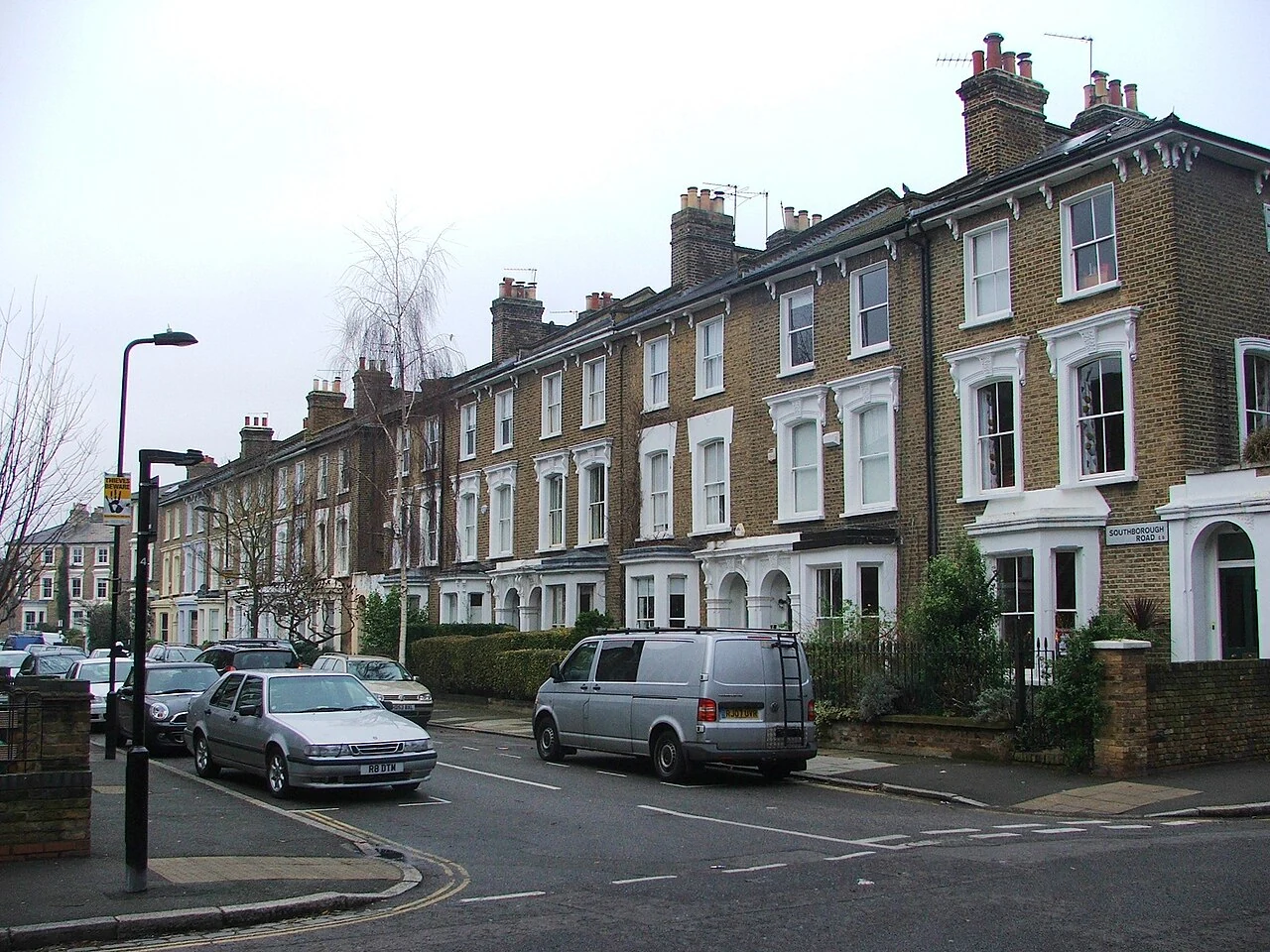
Property reference photograph; not a company job. Photo: Chris Whippet · CC BY-SA 2.0 (resized WebP).
Acknowledge the current observation precisely
Ask the occupier which room and surface are affected now. Retain the latest photographs with their dates and compare the position with the earlier report. Growth in a different bedroom or behind a moved wardrobe may require a different enquiry, even if both messages use the word mould.
Avoid turning the first conversation into a conclusion about cleaning habits. Ordinary room use helps interpret moisture, but a reported defect still deserves its own examination. Our landlord moisture enquiries can be arranged around a specific concern with the occupier’s practical access needs discussed.
The previous job description needs detail
Find the earlier invoice or attendance note. Was visible growth cleaned, a fan adjusted, a pipe repaired or damaged plaster replaced? Those actions serve different purposes. A record saying mould treated does not establish that the water or ventilation question was investigated.
List what happened afterwards: a period without marks, renewed growth at the same point or a change elsewhere. A repeated complaint is not automatically evidence that a product failed. It may expose an unresolved source, a different surface condition or a recommendation that was never implemented.
Give the technician the actual earlier findings, including any limits on access. That can prevent a second visit from repeating the same incomplete examination without addressing the obstacle which stopped the first one.
Use the occupier’s daily observations carefully
Ask about morning window moisture, rooms that remain wet and any link with rainfall or a plumbing fixture. Separate those observations rather than compress them into a general damp-home description. The person living there may see changes which cannot be reproduced during a short appointment.
Where that account points towards indoor moisture, room ventilation checks can be discussed. We consider installed equipment and room arrangement alongside use. The existence of a window or fan is not a reason to dismiss a report before examining how the relevant surfaces behave.
Book access that answers the unanswered question
Identify fitted furniture, a locked service cupboard or an external area that limited earlier work. Explain who can authorise access and what is available at the next visit. A booked room inspection does not imply entry into every shared space or opening of concealed building fabric.
For suspected pipework, a hidden-source investigation may need its own scope. Any proposed opening should identify the connection being examined and how the result changes the plan. Keep making good and contractor involvement clear before somebody removes a finish.
Alterations need the actual building information
The council’s Beck Road appraisal describes two groups of terraces: pitched roofs to the east of the railway and parapet-concealed London roofs to the west. A repeated complaint in that designated street should therefore identify the actual roof arrangement, not inherit a repair assumption from a similar-looking house. Keep the reported room position with the earlier contractor’s scope; if rain-related wetting remains relevant, arrange examination of the corresponding roof detail.
Local building context: Hackney: Beck Road appraisal, differing roof forms.
Close the loop with an action and review point
A useful response distinguishes surface treatment, any identified repair and observation after the work. Give each action a purpose and keep the relevant dates. An undefined promise to monitor can leave the occupier unsure what change to report or when the outstanding question will be revisited.
Agree a recognisable observation point, such as the original wall corner after normal room use or the same patch after rain. Review renewed wetting against the actual work carried out. The physical findings inform the practical plan; an inspection does not adjudicate tenancy responsibility or replace separate advice where that is needed.
Booking and reporting for a rented home
Should I send the previous contractor’s invoice?
Yes, particularly if it identifies the room, work and date. The distinction between cleaning, a repair and a ventilation alteration matters. An invoice can explain the chronology but is not itself proof that the original moisture source was established or removed.
Can the tenant speak directly about the room?
The occupier’s account can be useful alongside the landlord’s repair records. Arrange how that information and access will be provided when booking. Keep each observation tied to a location so differing descriptions do not become an assumed disagreement about the whole home.
Does recurrence mean the tenant ignored advice?
That conclusion should not be inferred from returning marks. The earlier recommendation, its practicality and any outstanding building question need consideration. A repeat report is evidence to assess, rather than a reason to assign responsibility before checking the current condition.
Can another cleaning visit replace an inspection?
Cleaning and investigating a recurring moisture question have different purposes. Explain what is known about the cause and what was previously examined. If important evidence remains unresolved, treatment should not be presented as answering a building or ventilation question it does not assess.
What if the affected wardrobe could not be moved last time?
Tell us whether access can now be arranged safely and by whom. A newly available surface may help address a previously stated limitation. Fixed joinery or concealed openings require separate agreement, rather than an expectation that every obstruction will be dismantled during attendance.
Nearby areas we cover
Bring the first report and the latest one together.
Tell us what was done, where growth returned and which access remains difficult. Call about a Hackney letting inspection with a defined next step for the occupier and landlord.