
FIRST LOCATE THE MOISTURE
Mould Inspection Walthamstow
A cloudy pane, droplets on the room side and mould on the surrounding wall are three different concerns. For a Walthamstow inspection enquiry, first describe where the moisture appears to sit. That distinction helps decide whether you need a glazing contractor, an assessment of affected building surfaces or both.
- Separate accessible droplets from mist within the glazing
- Keep the pane and the surrounding wall as distinct observations
- Choose the next enquiry for the surface actually affected
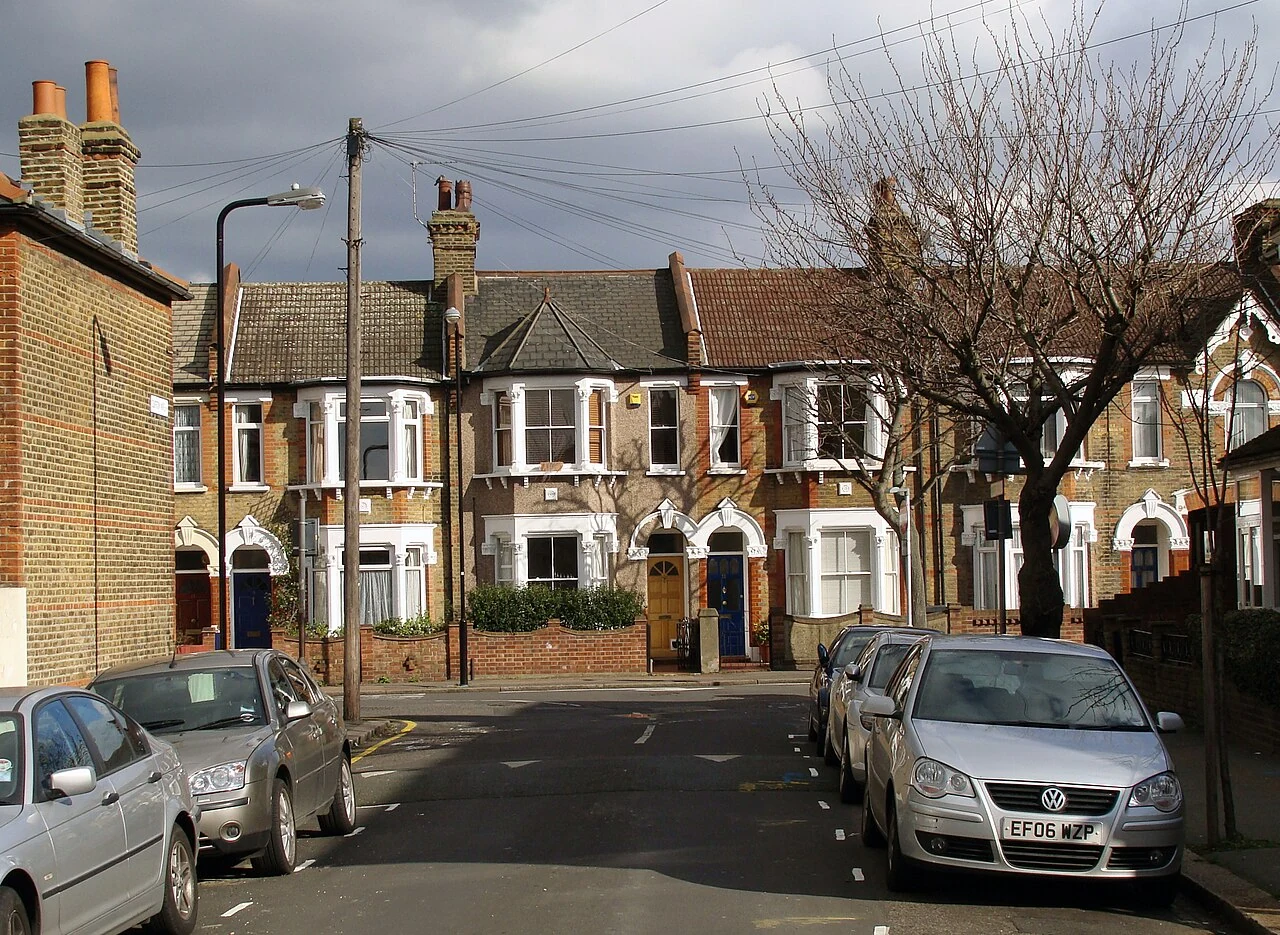
Property reference photograph; not a company job. Photo: ProfDEH · CC BY-SA 3.0 (resized WebP).
Which side of the glass looks wet?
From your normal position inside the room, describe whether droplets lie on the accessible glass face or a cloudy area seems beyond it. If the pane is safely within ordinary reach, a small wipe of room-side moisture may clarify that particular observation. You do not need to reach outside, lean from an opening or touch an inaccessible pane to identify the concern.
An external film, room-side droplets and mist within a glazed unit should not be given the same label. When the boundary remains unclear, say so. A photograph may show apparent cloudiness without establishing its depth. The initial conversation should preserve that uncertainty rather than convert every hazy window into a mould diagnosis.
When cloudiness appears trapped between panes
If the accessible inner face is clear while the haze appears within the unit, describe this to a glazing contractor. Assessment of the sealed unit is a window question. A mould inspection of the room cannot certify its seals, approve replacement glass or establish a window warranty claim from that appearance.
Do not prise off beads, open the unit or apply a product in an attempt to reach the cloudy area. Keep any existing window specification or contractor findings available. Glazing work may be the appropriate next enquiry where cloudiness is the only reported concern and no affected room surface has been identified. It should not automatically become a proposal to chemically treat the bedroom.
Now locate any actual growth beyond the pane
Look separately at the visible frame edge, flexible joint, painted return and wall farther into the room. Describe spotting, a persistent mark, a lifting finish or softened material as individual observations. A clear pane does not establish that those surfaces are sound; equally, a misted unit does not explain why plaster beside it is affected.
The assessment of mould around an opening concerns the accessible material and its setting. Where the wall itself remains damp or damaged, a wall-moisture enquiry may be useful. We would discuss the evidence and appropriate comparisons rather than assume that a glazing-unit repair addresses every nearby mark.
Show the whole Walthamstow opening
Waltham Forest’s St James appraisal describes specific Warner blocks with bay-window and stone window details within the conservation area. Where your opening has a projecting bay or substantial surround, show that whole detail rather than only wet glass: the side return, frame and upper junction can raise different questions. This is narrow local building context, not a claim that all Walthamstow windows share the design. Establish the actual opening before choosing a frame or wall response.
A photograph from inside should retain the pane boundary and the adjacent surface together. Label which window it shows if similar openings exist. A closer picture can then identify the precise frame edge or wall position. That paired view is more useful than several unlabelled close-ups which make glass reflections and surrounding discolouration difficult to distinguish.
Local building context: Waltham Forest Council: St James appraisal, window and surrounding-building details.
Keep observations consistent without staging a test
Use photographs already taken during ordinary room use, or note what you naturally notice at another time. Keep the same opening and viewing position identifiable. Record whether the accessible droplets clear while the apparent internal haze remains, and whether the surrounding material changes independently. Different observations may justify different appointments.
Do not heat the room unusually, prolong bathing or direct water at the window to manufacture a result. Reflections, lighting and camera angle can change how a pane looks without a change in its condition. If the photographs cannot settle the surface boundary, retain that limitation and explain what was visible in person. A consistent account supports a focused enquiry; it is not a substitute for examining the relevant component.
Choose the appointment that answers the remaining question
For cloudiness confined to the glazing unit, ask a window specialist what component needs assessment. For visible growth or damaged material on the room side, explain its location when discussing a moisture inspection. When both concerns occur, identify them separately so one booking is not mistaken for a complete investigation of the other.
In a flat, the agent may control the frame or outside elevation while the occupier provides access to the room. State which surfaces can be reached and who can authorise further work. The flat-related moisture enquiry should distinguish those responsibilities. Neither opening a glazing unit nor gaining outside access is implied by a room appointment.
Specify treatment only for an identified material
Where growth is established on an accessible building surface, appropriate mould treatment can be discussed with the material condition and supported moisture findings. A painted return, flexible joint and weakened plaster need their own decisions. A treatment proposal should name its target rather than promise to clear unidentified cloudiness behind glass.
Following an agreed action, record which component was repaired or treated. If a new glazing unit removes the haze but the wall remains affected, the wall question is still open. If the room surface improves while inter-pane mist persists, a further glazing enquiry may remain appropriate. Keeping these outcomes separate prevents a partial improvement from being described as resolution of the entire opening.
Questions about the signs you are seeing
Can a cloudy window be mistaken for mould?
A photograph of haze can leave its position uncertain. Describe whether it appears on accessible glass, outside or within the glazing, and report any actual spotting on the frame or wall separately. Cloudiness alone does not establish mould in the room.
Should I wipe the outside to identify the moisture?
Do not lean out, climb or reach across an opening for this purpose. An ordinary accessible inside observation may help, but inaccessible surfaces should remain an acknowledged uncertainty for the appropriate specialist to assess.
Does replacing a misted unit treat the surrounding wall?
Glazing replacement addresses a particular window component. It does not establish the condition or moisture source of adjacent plaster, joints or finishes. If those surfaces are affected, describe them separately and ask what assessment or work they need.
What if I cannot tell which face is cloudy?
Say that the boundary is unclear. Keep an inside photograph showing the pane edges and surrounding opening, and explain what you observed directly. We can discuss which enquiry fits without claiming that an ambiguous image proves a sealed-unit fault.
Can you remove the glazing beads during a mould visit?
Dismantling a glazed unit is not implied by a room moisture appointment. Window component work needs an appropriate specialist and agreed scope. Explain any existing contractor findings when booking so the two enquiries remain clear.
Why photograph the wall and glass together?
The wider view preserves their relationship and identifies the opening. A separate close-up can then locate the actual material concern. This helps prevent a mark on the return from being confused with a reflection or cloudiness within the pane.
Nearby areas we cover
Which surface needs the next enquiry?
Describe the pane, frame and wall separately. We can discuss a Walthamstow moisture appointment for affected room surfaces and explain when a glazing question needs another specialist.