
YOU CANNOT ATTEND, BUT YOUR OBSERVATIONS STILL MATTER
Mould Inspection Stockwell
An inspection arranged while you are away should not lose the account of what happens when you live in the room. For a Stockwell tenancy, agree the relevant surfaces, your observations and the keyholder’s access before the visit. The appointment needs more than a spare key and an instruction to look for mould.
- Give the keyholder the same location reference you reported
- Pass ordinary-use observations without trying to diagnose the cause
- Keep access limits and unanswered occupier questions in the handover
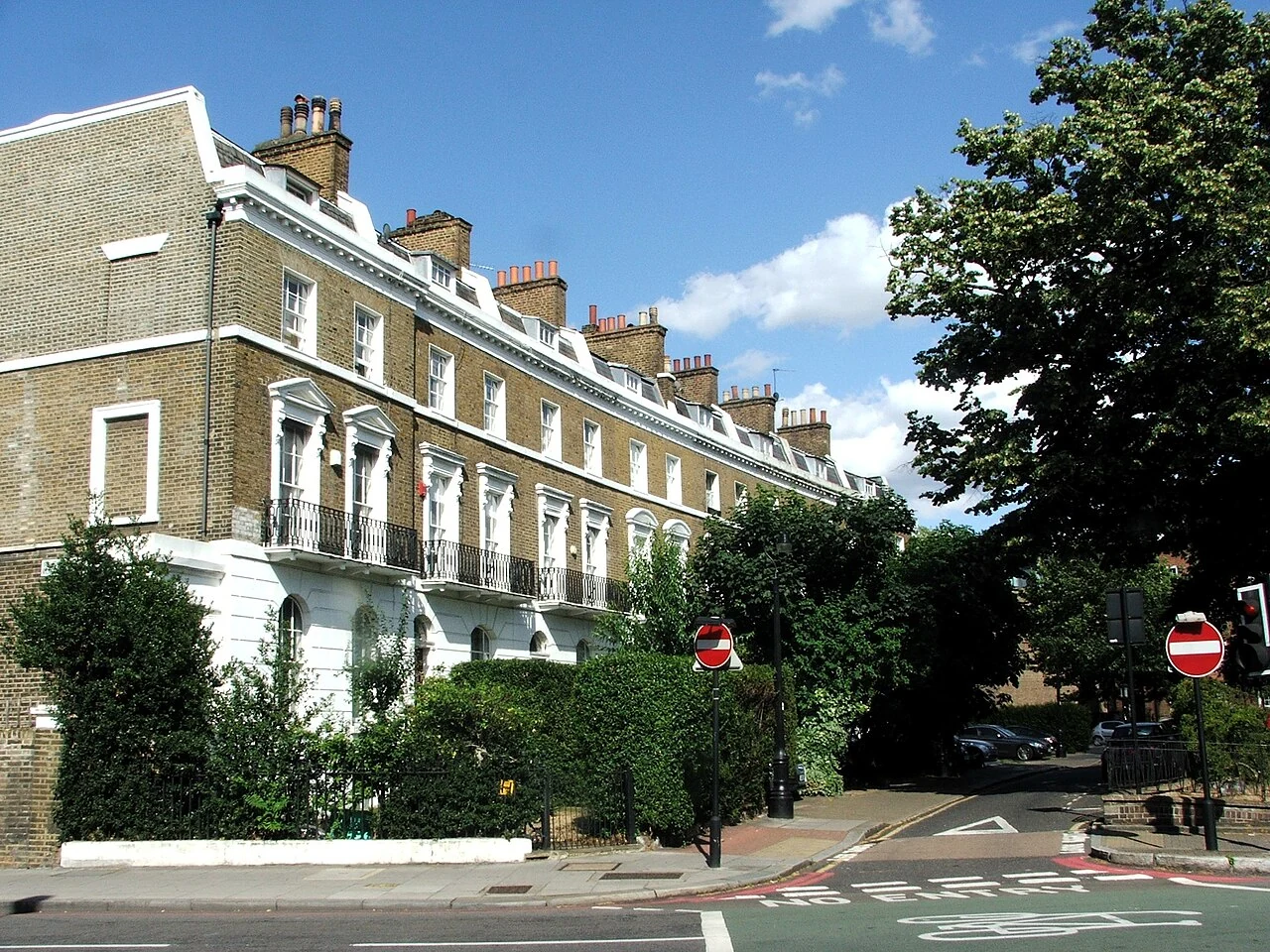
Property reference photograph; not a company job. Photo: Chris Whippet · CC BY-SA 2.0 (resized WebP).
Start with the room you reported
Identify the room and affected position in a wide photograph or simple sketch. Name the wall, corner or ceiling against a recognisable feature. If several rooms have similar furniture, use a room label. The person admitting the technician should be able to find the original location without substituting whichever mark they notice first.
Describe what changed and when you noticed it, including any earlier cleaning or repair. Our enquiry about a tenant’s mould concern can use that account when somebody else arranges the appointment. A neighbour or agent’s recollection is useful information, but should not silently replace your own observations of ordinary occupation.
Supply useful history without supplying a diagnosis
State what you have seen: moisture after normal room use, a patch changing during wet weather or a finish remaining affected. Keep those observations separate from explanations offered by others. If you were advised that it was condensation or a leak, identify that as previous advice and include any known supporting check.
Available dated photographs can show conditions absent during a short visit. Explain the usual heating, ventilation and furniture arrangement, with equipment faults or practical restrictions noted. There is no need to create unusual steam, stop ordinary cleaning or conduct your own water test to make the record more persuasive.
Keep the account short enough to use. A few labelled observations tied to the reported surface are more helpful than many unlocated images. If another room may be relevant, explain the relationship so its inclusion and access can be discussed before attendance.
Give the keyholder an access handover
Agree who can admit the visitor, which booked rooms can be entered and whether an existing service cupboard or exterior area is relevant. Make clear what cannot be reached. A key to the front door does not grant permission to remove fitted furniture, open a finish or enter another dwelling.
For a landlord-arranged inspection, ask who will answer practical access questions and hold earlier work records. Lightweight items can be cleared safely where agreed, but heavy objects and fixed units need their own arrangement. Your absence should not lead to unplanned dismantling or to an inaccessible wall being described as checked.
Use the Stockwell building layout to name the right entrance
Lambeth’s Stockwell Park conservation profile provides a local reference for the designated residential setting. It does not establish the arrangement of a particular tenancy. Where your home occupies part of a divided building, identify the entrance and level serving it, and any relevant common route controlled separately.
Give the keyholder the actual flat and room reference as well as the building address. In a property with an altered layout, a door accessible from the common stair may lead to a different dwelling from the room you reported. Reliable access information helps the flat moisture enquiry follow your concern rather than an assumed original house plan.
Local building context: Lambeth: Stockwell Park profile, detached and terraced villa forms.
Ask what the appointment could establish in your absence
The visit can consider the agreed accessible surfaces, available history and suitable checks within its scope. If you cannot answer a new room-use question immediately, that missing information should be noted. A snapshot and a supplied history contribute different evidence; neither should be presented as a guarantee that every concealed route is resolved.
For a continuing material question, assessment of the affected finish may guide a next step. Ask which finding is supported now and which additional record or access would change the recommendation. A second visit should have a defined purpose, rather than repeat the same limited view because the occupier was away.
Recover the question when you receive the findings
Check that the original room and surface were addressed. Ask whether the supplied observations were consistent with the accessible findings, and what limitations remained. If another room or exterior detail was relevant but not examined, keep that distinction clear when discussing further work.
If you learn that furniture was moved or the room aired differently before the visit, include that change in any review. It does not invalidate every observation, but helps interpret the conditions. The point is a traceable account of what was reported and examined, not an argument based on competing unlabelled photographs.
Make treatment and follow-up usable for the occupier
Discuss treatment of the identified affected material alongside any supported moisture action. Clarify preparation and access if another person will admit the contractor again. Treatment, repair and reinstatement may be different tasks, so find out which one the next booking actually covers.
After action, compare your original surface during ordinary occupation and keep the work dates. If the mark returns or another concern remains, describe that location and change to the relevant contact. A completed appointment should leave the occupier with a clearer next question, even when they could not be present to explain the room in person.
Booking and reporting for a rented home
Can an inspection be discussed if I cannot be there?
Explain your availability and the proposed keyholder arrangement before booking. The relevant rooms, permissions and scope need agreement. Your labelled observations can help the visit address the original concern, while missing access or information should remain clear in the findings.
What should the keyholder know beyond the address?
Give the actual dwelling entrance, room reference, affected position and any agreed access restriction. Include the contact holding relevant repair records. A front-door key alone does not define which surfaces can be examined or authorise opening fixed finishes.
Should I tell the agent what I think caused the mould?
Provide your observations first and label any proposed explanation as a possibility or earlier advice. Timing, location and ordinary room conditions are useful evidence. The inspection should consider them without treating an occupier’s guess or an agent’s label as an established diagnosis.
Can photographs replace entry to the affected room?
They can provide history and help locate the concern, but do not replace the physical evidence available through an agreed examination. If the room cannot be entered, that limitation should be stated. Further access needs a purpose rather than an implication that images established every material condition.
Which questions should I ask after the visit?
Confirm the original surface examined, evidence supporting the recommendation and any untested area. Ask what another check or proposed work would answer. Keeping those questions tied to your report helps distinguish a completed accessible visit from an unresolved source or treatment concern.
What if the room was temporarily cleared or aired?
Mention that change in the account and keep a photograph of the ordinary arrangement if available. The appointment conditions can differ from normal occupation. Interpretation should include that context rather than assume the visit captured every recurring condition or that all earlier observations were mistaken.
Nearby areas we cover
Keep your room account with the appointment.
Call about the Stockwell property with your labelled observations, the relevant room access and proposed keyholder. We can discuss a visit whose scope and follow-up preserve the occupier’s original question.