
THE ROOM, THE WALL, THE BUILDING
Mould Inspection Clapham
A patch in an upstairs bedroom and a damp mark in a lower-ground room may need different investigations. A mould inspection in Clapham starts with the property layout: which surface is affected, what sits above or behind it, and how moisture could reach it.
- Follow the affected room through the building layout
- Compare exposed walls with surrounding surfaces
- Separate treatment decisions from repair questions
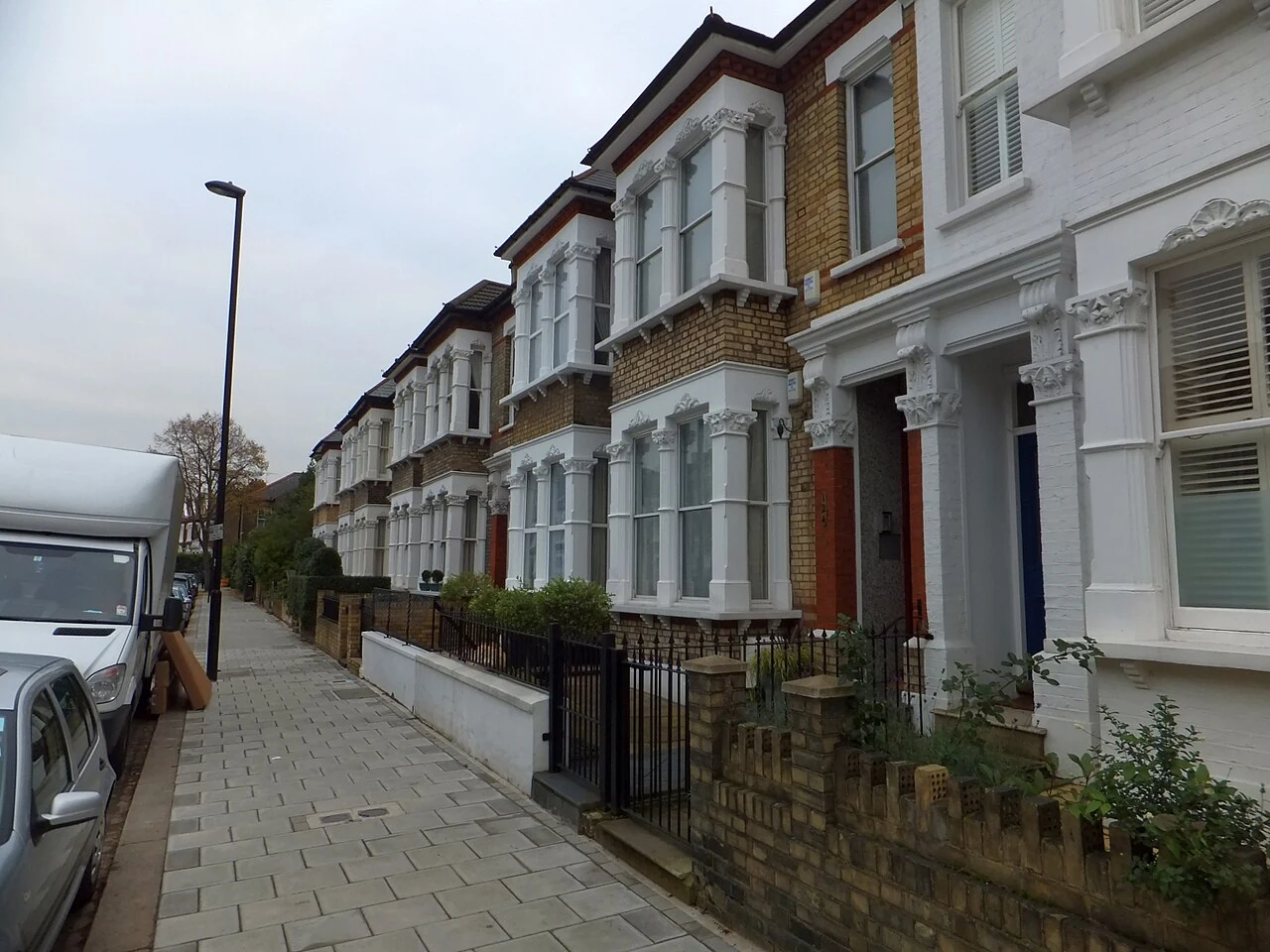
Reference photograph: David Smith (CC BY-SA 2.0); resized, converted to WebP and displayed with layout crops. Not evidence of a company job.
What the property changes about the investigation
Clapham is not a single building type. The council’s appraisal of the Clapham Common conservation area describes substantial houses and residential terraces. That evidence concerns a defined conservation area, not every address in Clapham. It is a reason to ask about the actual building rather than assume that a postcode explains the mould.
For a house arranged over several floors, the position of the affected room can guide the first questions. Is there a bathroom above the stain? Does the wall face outside? Has the roof or gutter been repaired? In a flat, the route may extend beyond the part of the building you can access. None of those details establishes a diagnosis, but they help plan a useful visit.
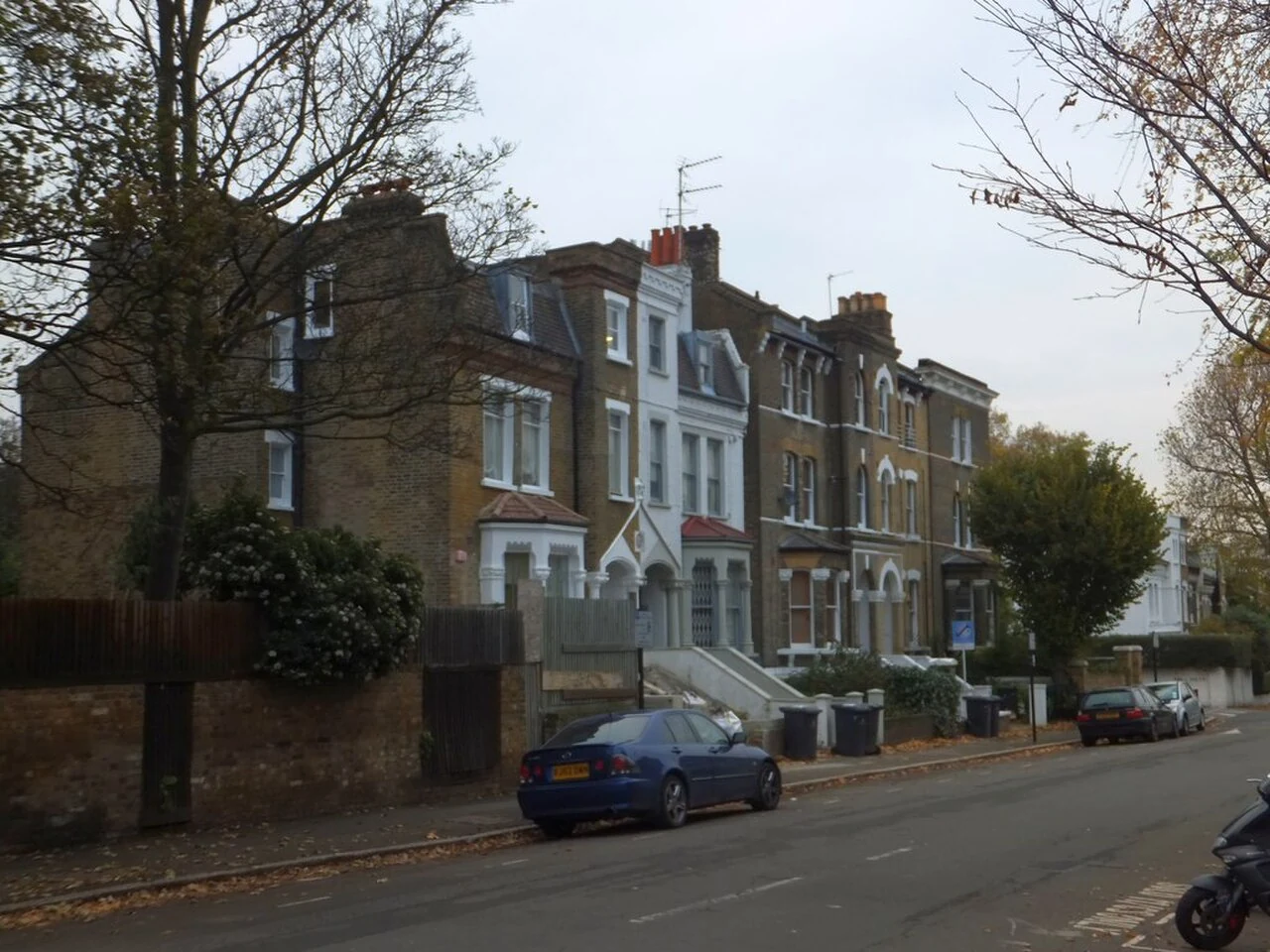
Reference photograph: David Smith (CC BY-SA 2.0); resized, converted to WebP and displayed with layout crops. Not evidence of a company job.
Building context is drawn from the Clapham Common conservation area appraisal; it does not establish a defect in the home.
Read the wall before choosing a treatment
Behind furniture
Growth behind a wardrobe can be associated with a cooler surface and restricted air movement. The inspection still needs to consider whether the wall is receiving moisture from another source. A narrow gap behind furniture is different from a wall that remains wet throughout the day, even when nearby surfaces have dried.
Around the window
A window reveal may show another pattern. Water on the glass in the morning, marks along a frame and a patch extending well beyond it are useful observations to distinguish. If the concern centres on that detail, our window mould investigation explains what may need checking around the frame, seals and surrounding plaster.
Lower down does not automatically mean rising damp
A low-level patch deserves attention to its position and materials, not a conclusion based solely on height. Ground conditions, external water, plumbing and indoor moisture may all be relevant. Tell us whether the area changes after rain and whether any damp-proofing or plaster work has already been carried out. Where damp rather than visible growth is the main concern, a focused check of the wet surfaces can help frame the next questions. A single meter reading is not proof of a particular defect. Readings need comparison with the surrounding fabric and the observations from the property.
What an inspection should help you decide
We discuss the history, examine accessible affected areas and investigate relevant moisture conditions within the agreed scope. Access is worth sorting out beforehand: a locked loft, fitted cupboard or another flat may limit what can be assessed during one appointment. We explain those limits rather than implying that concealed materials have been inspected.
The useful outcome is a clearer decision about the next step. The surface may be suitable for mould treatment, but a leak or building defect may need separate attention. If opening a finish is proposed, understand what that access is intended to confirm before authorising it.
After the visible mould has been dealt with
Ask what evidence will show that the moisture problem is improving. It might be the way a patch dries, the absence of new staining after rain, or a change in conditions around a window. The appropriate checks depend on the suspected source; one set of daily routines will not address every building defect.
Repainting can wait until the relevant moisture issue and the condition of the finish have been considered. Advice about reducing the chance of recurrence should identify the actions that matter in this property. It should also distinguish things you can manage from work that requires the owner, an agent or another contractor.
Nearby areas we cover
Questions before checking the property
Can you inspect just one room in a Clapham flat?
Discuss the room and the symptom when booking. A focused visit may be appropriate, although the investigation could identify a reason to examine an adjacent area. Agree the scope and any access limitations rather than assuming that one room tells the whole story.
Should I move a wardrobe before the visit?
Tell us that the growth is behind furniture so access can be planned. If it can be moved reasonably, leaving the surface visible is helpful. Do not disturb fitted furniture or affected finishes simply to prepare; discuss those arrangements first.
What if the affected wall is below ground level?
Mention the room level, any history of water entry and whether the patch responds to rainfall. Those details guide the inspection. The location alone does not establish the source or justify a particular damp treatment.
Is the building’s age enough to explain the mould?
No. The current condition, materials, ventilation and moisture pathways need assessment. The local conservation appraisal provides building context, not evidence that an individual home has a specific defect.
Can the findings help before redecoration?
They can help identify what needs attention before a finish is covered again. Explain your planned work and whether you need written findings. A moisture issue that remains unresolved should be considered before simply changing the paint.
How is the appointment price decided?
The required checks, property access and reporting needs affect the scope. Describe the rooms and the history when you call so the appointment can be discussed. A photograph or room count alone is not a complete specification.
Start with the room you are worried about.
Tell us which floor it is on, what is on the other side of the wall and how the patch has changed. We can discuss an inspection that addresses those questions.