
WHEN THE BEDROOM WALL IS HIDDEN BY THE BED
Mould Inspection Brixton
The wall behind a bed can look quite different from the wall you see every day. If growth keeps appearing at the headboard or beside a mattress in your Brixton home, the inspection needs to examine that sheltered surface and the room around it. Moving furniture alone may not answer why it became damp.
- Describe the gap between the bed and the affected wall
- Compare the sheltered patch with exposed room surfaces
- Include any dampness that continues when the bedroom is unused
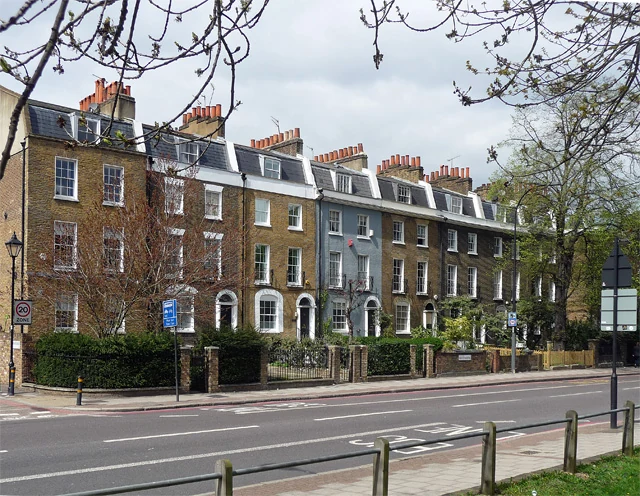
Property reference photograph; not a company job. Photo: Stephen Richards · CC BY-SA 2.0 (resized WebP).
What is touching the wall?
Start with the objects nearest the growth. A padded headboard, stored bags and a bed pushed into a corner can conceal a larger affected area than the first visible spot. Describe which surfaces have marks: the wall itself, the back of the furniture or the bedding. These distinctions help decide what access and treatment may be needed. Photograph the arrangement before changing it, provided you can do so safely. A close view of the mould should be accompanied by a wider view showing the bed, window and nearest radiator. Do not drag a heavy bed or handle extensively affected soft furnishings just to obtain a photograph; explain the access difficulty when calling.
A sheltered surface is a clue, not a verdict
Air movement around a tightly enclosed wall can differ from the centre of the bedroom. That makes the arrangement relevant to a condensation enquiry, but it does not prove that furniture caused the entire problem. Persistent wall moisture, defective external details or a concealed pipe may still require investigation. The colour of the growth does not settle those questions.
Think about what remains wet after the room has aired. Glass drying while the headboard wall stays damp is useful information. Our checks for condensation-related patterns consider the room conditions alongside the surface evidence. The aim is to separate observations from assumptions, including assumptions about how the bedroom is used.
Keep the repair report connected to the room
Lambeth’s Brixton Road conservation profile records terraced houses within that defined area, alongside other premises. For a bedroom in a terraced property, identify which wall is exposed outside and which adjoins the next building before assuming the headboard sits against an external wall. The local description supplies a useful layout question, not a diagnosis or a claim that every Brixton bedroom has the same construction. Keep that wall position in the inspection and repair account.
Where an agent arranges the visit, explain who can move the furniture and who can authorise further access. An appointment booked as a quick look at a small spot may be inadequate if the whole wall is hidden. For broader flat-related questions, investigating mould in a flat can help identify adjoining rooms or shared elements that need discussion.
Local building context: Lambeth Council: Brixton Road conservation-area profile.
Make the accessible comparison useful
During the agreed visit, we look at the position of the growth and accessible surrounding surfaces, discuss the bedroom history and consider appropriate moisture checks. The exposed wall beside the bed provides a comparison with the sheltered area. Readings must be interpreted in relation to the material and location, rather than treated as a standalone diagnosis.
Tell us about earlier cleaning, repainting or a leak on the other side of the wall. If the wall backs onto a bathroom, a cupboard or another flat, that relationship may change the next question. Investigation of a possible hidden water source is a different scope from simply inspecting visible growth and may need additional permission.
Furniture and wall treatment need separate decisions
A wipeable wall finish and an affected upholstered headboard are not interchangeable treatment problems. We can discuss removal from the affected building surfaces, the condition of the finish and the moisture issue that should be addressed alongside it. Tell us about affected possessions when booking so the proposed work is not misunderstood.
Replacing the headboard while leaving a continuing wall problem unresolved may expose the replacement to the same conditions. Equally, a damaged piece of furniture does not justify stripping every wall in the room. Ask for the reason behind each proposed step, including any preparation, restricted access or reinstatement that falls outside the initial visit.
Watch the original location after changes
Follow-up observations should refer to the same position, not just whether the room smells better. Record how the wall behaves behind the bed after the agreed moisture measures or repair. Leave any advised ventilation arrangements functioning, and note a change in heating or room occupancy that might affect the comparison.
If furniture clearance is part of the recommendation, consider how it can be maintained in the actual bedroom layout without creating an unsafe obstruction. Advice on reducing recurrence should be practical for the room you have. A narrow space requires a workable arrangement, not an instruction that assumes a different property.
Questions about the signs you are seeing
Should the bed be moved before an inspection?
Describe its size and position first. Access to the wall may be useful, but moving heavy furniture should be arranged safely rather than assumed. A photograph of the original layout helps preserve the relationship between the object and the affected patch.
Does mould on a headboard prove the wall has a leak?
It shows that the object has been exposed to conditions supporting growth. The adjoining wall, room moisture and possible concealed water routes still need consideration. The headboard alone cannot distinguish water entry from a sheltered condensation pattern.
Why is the exposed part of the wall clear?
The surfaces may experience different air movement or temperatures, and furniture can conceal marks that have developed gradually. That comparison is worth examining during the visit. It does not exclude a local defect behind the furniture.
Can the neighbouring bathroom be relevant?
Yes, particularly if its fittings or pipe routes sit against the affected bedroom wall. Mention that relationship and any previous repair. Access beyond the bedroom must be agreed, and a concealed plumbing investigation may require a separate scope.
Will replacing the mattress solve the bedroom problem?
A replacement does not change the wall or ventilation conditions. Assessment should establish what building surfaces and possessions are affected before treatment decisions are made. Explain any extensive growth or access concerns rather than handling damaged items unnecessarily.
What should I record after the wall has been treated?
Use the same corner and wall height in subsequent photographs. Note changes in room use and whether the agreed moisture measures remain in place. A repeated mark in that precise location is more helpful for follow-up than an unrelated room photograph.
Nearby areas we cover
Tell us what is hidden behind the bed.
Describe the furniture, the affected surfaces and any connection with a bathroom or external wall. Call to discuss a Brixton visit with enough access to examine the bedroom properly.