
YOU ARE MOVING IN AND WANT A CLEAR ROOM RECORD
Mould Inspection New Cross
A mark noticed during handover can leave an incoming tenant unsure what is old, what is changing and what to report first. In New Cross, a moisture inspection can focus on the present room evidence while your dated condition record preserves the starting point.
- Record each mark with its room and handover date
- Separate an old stain from current wetting or visible growth
- Ask for the relevant history before covering the surface
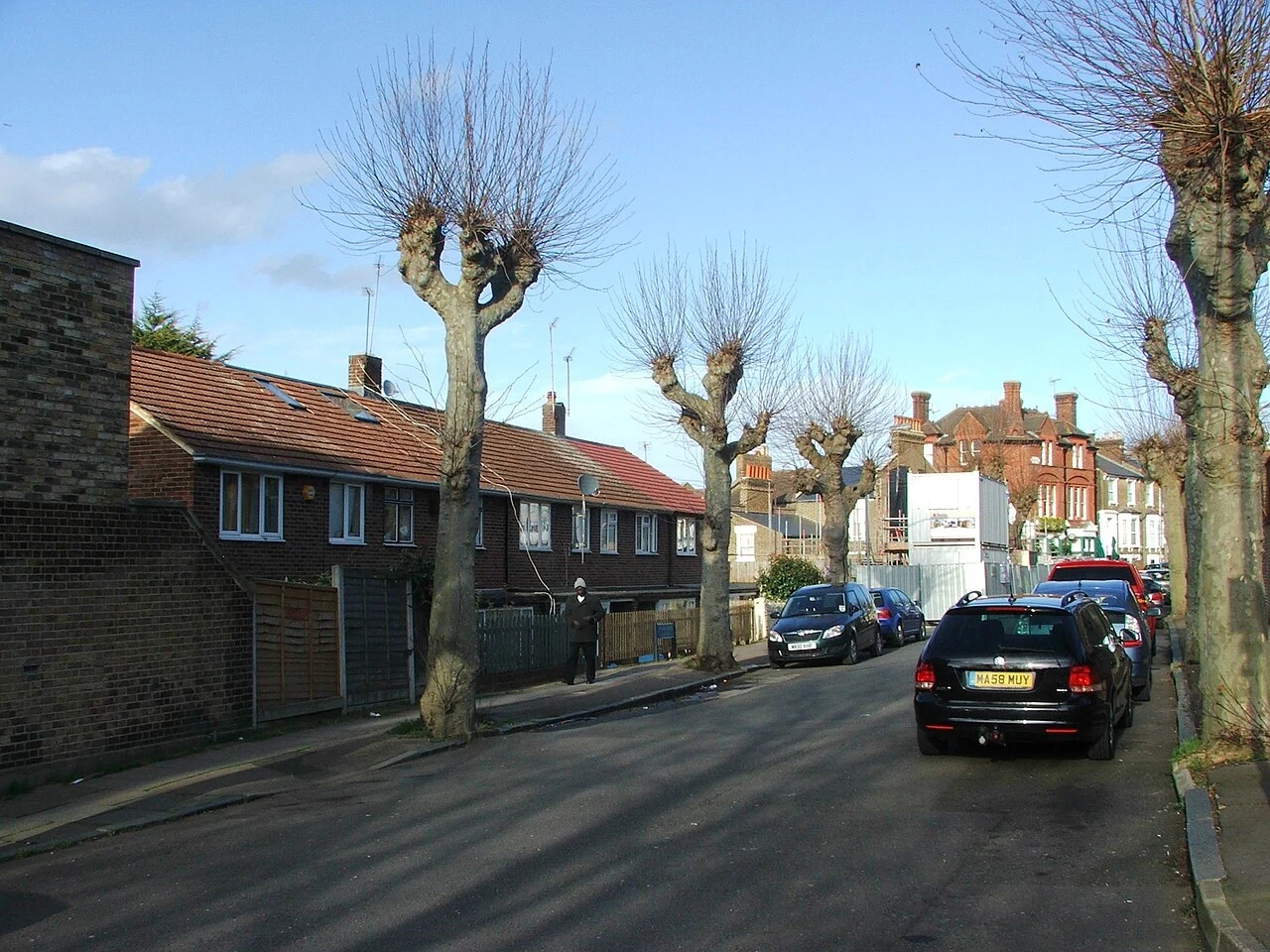
Property reference photograph; not a company job. Photo: Chris Whippet · CC BY-SA 2.0 (resized WebP).
Make the first record readable to somebody else
Photograph the whole affected room and then the mark, identifying the wall or window position. Include the date and note whether the finish is wet, flaking or simply discoloured. An inventory description such as minor marking may not capture the question you want investigated.
Retain the original images rather than replace them with the latest version each time. Our tenant moisture enquiries can discuss the accessible concern, while the handover record remains a separate account of what was present when you first saw the room.
A written observation is not a diagnosis or a determination of responsibility. Its practical value is to make the starting position clear before furniture, decoration or ordinary occupation changes what can be seen.
Ask what work preceded the handover
Request available information about cleaning, leaks or redecoration at that position. Dates and actual tasks are more useful than a general assurance that the room has been refreshed. A dry-looking mark may be historic, but that cannot be confirmed solely because somebody describes it as old.
For a wall that appears persistently damp, checks of the affected finish can help define the next question. Material and comparison context matter. The inspection should distinguish present observations from a concealed source which remains unexamined, particularly if the previous work covered the surface.
Notice the first occupied-room pattern
During ordinary use, record a relevant change: morning glass moisture, a mark spreading after rain or wetting related to a fitting. Do not attempt to reproduce a suspected active leak or disturb fixed services to collect evidence. Report an immediate water problem through the appropriate repair contact.
If windows or extraction are relevant, discuss a room ventilation assessment. The first occupied week can provide context but does not prove a cause or assign blame. A pre-existing wall concern still deserves attention rather than be explained away by the fact that the room is now lived in.
Agree the inspection and any further access with the right contact
Explain who can authorise a visit, provide entry and arrange movement of furnishings where needed. We examine the booked accessible areas and discuss suitable moisture checks. Removal of fixed finishes or entry to communal spaces needs separate permission and scope.
If the relevant history points to another water route, the findings should state what additional check would answer it. A tenant should not be expected to open a concealed panel merely to settle a dispute. Keep the actual access limitation recorded so an unavailable route is not silently treated as inspected.
The Hatcham appraisal identifies timber sash windows in its terraced houses and records later replacements in some properties. At handover in a New Cross home within that area, photograph the actual frame, opening controls and affected reveal rather than use another house’s window arrangement as a comparison. Note any visible alteration already present when you arrive. That starting record can help distinguish a pre-existing window-surround concern from a later observation during ordinary occupation.
Local building context: Lewisham: Hatcham appraisal, sash windows and later replacements.
Use the findings without losing the starting record
Where growth needs attention, discuss appropriate treatment with any outstanding moisture question clear. Cleaning may change the visible evidence, so retain the earlier labelled images and work dates. Those records support a practical follow-up, not a promise about every future room condition.
After agreed action, compare the same surface during normal use and report specific changes. Keep inspection findings separate from inventory, tenancy or payment questions that require their own advice. The aim is a readable sequence of observations and work, allowing the next person to understand what changed rather than guess from an unlabelled stain.
Booking and reporting for a rented home
Should the inventory call every dark mark mould?
An accurate record should describe the visible condition without assuming a diagnosis. Note the location, appearance and any wetness, with dated photographs. A physical assessment can then address the moisture question while the inventory preserves what was observed at handover.
Can the property be checked before all my furniture arrives?
Explain access and the timing when booking. An emptier room may make surfaces easier to reach, although room conditions may change after occupation. The scope and any limitation should remain clear rather than treat an early snapshot as a guarantee for every later use.
Does a dry stain prove an old leak has ended?
Dryness at one time does not establish the full history or exclude intermittent wetting. Ask for repair records and note relevant changes during ordinary use. The inspection can describe accessible evidence while keeping any unverified source or timing limitation explicit.
Should I paint over the handover mark?
Preserve the labelled condition record and discuss the moisture concern before altering the finish. Decoration can obscure evidence without resolving a source. Any proposed work also needs the relevant owner’s agreement rather than be assumed from taking occupation.
Will an inspection decide a tenancy dispute?
The appointment addresses the agreed physical moisture question and its limitations. It does not determine contractual responsibility or replace appropriate tenancy advice. Clear findings and dated observations can still help the relevant parties arrange practical investigation and work.
What if the agent cannot find the earlier repair record?
Record that the history is unavailable and focus on what is currently observed. A missing document should not be filled with an assumed cause. The next recommendation can explain whether additional examination is useful and the access needed to perform it.
Nearby areas we cover
Keep the handover evidence clear.
Tell us the New Cross room, what was visible on arrival and which work records are available. We can discuss a moisture visit that separates present findings from assumptions about the past.