
THE BATHROOM WAS RENOVATED, THEN THE ROOM CHANGED
Mould Inspection Lewisham
If mould appeared after a bathroom renovation, the useful starting point is what changed: the fan, shower enclosure, pipework or room surfaces. A Lewisham inspection can connect your family’s observations with those alterations without assuming the work itself explains every mark.
- Record the changes made during the bathroom renovation
- Separate steam-related growth from wetting at a fitting
- Include the adjoining room if that is where the mark appeared
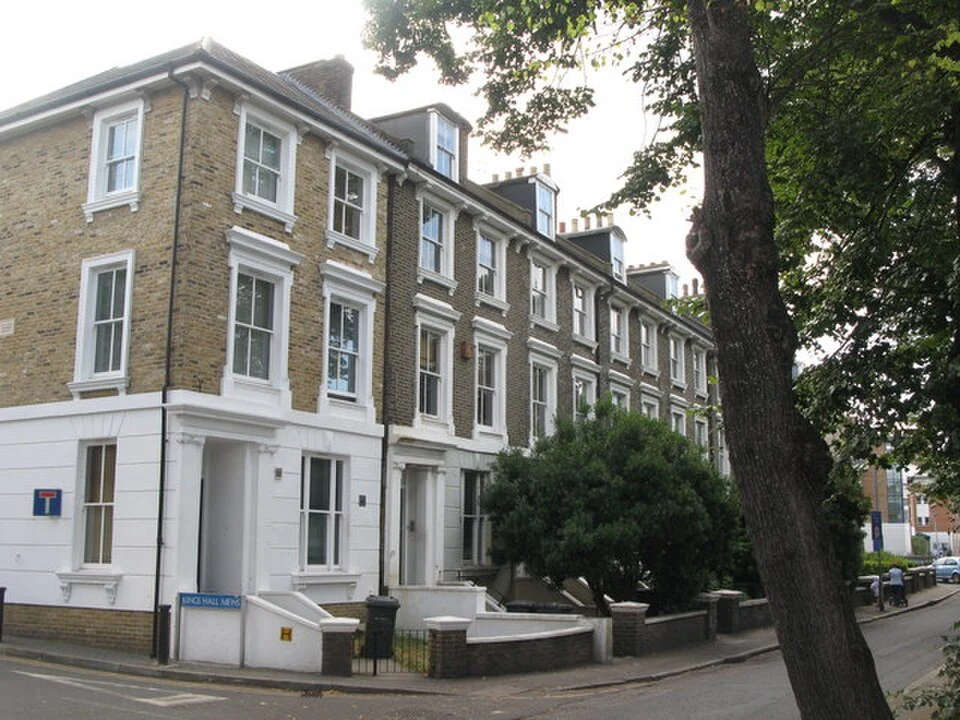
Property reference photograph; not a company job. Photo: Mike Quinn · CC BY-SA 2.0 (resized WebP).
Say what was replaced and what stayed
List the fan, shower, bath and surface changes separately. A new tiled finish may sit beside old plumbing or retained extraction. Bring the contractor’s description and installed equipment details if available, so the visit can focus on the actual alteration rather than the general idea of a new bathroom.
Explain where the first sign appeared and when. Growth at the ceiling after showers and a wet wall in the bedroom beyond it are different observations. Our bathroom moisture assessment can be discussed with those locations clearly identified.
Follow the fan beyond its new faceplate
Find the model, accessible settings and any known duct outlet. A fan replaced in the same opening can leave the old duct unchanged. A timer or humidity control also needs its actual setting and operation understood, rather than assume that a new unit always provides suitable extraction.
If mirrors and surrounding surfaces stay wet, discuss checks of the extraction arrangement. Tell us about a disconnected control, a fan that stops immediately or an outlet which cannot be identified. An operating motor is an observation, not a complete test of the concealed route.
Keep the ordinary family bathroom routine in the account. The inspection can consider installed equipment and room evidence without treating the number of users as a ready-made diagnosis.
A new shower introduces a different water question
Note whether the adjoining wall changes after use of one fitting. An accessible seal, tray edge or supply connection may provide a clue, but a surface stain cannot confirm every hidden joint. Report an active leak through the appropriate repair route rather than repeatedly use a fitting to make the stain clearer.
Opening the new wet area needs a defined purpose
Our hidden-source enquiries can be discussed if the evidence supports them. Access behind tiles or a service panel needs an agreed purpose and suitable permission. A bathroom room-check is not automatically a complete certification of the renovation’s plumbing.
Bring the room beside the bathroom into view
A bedroom cupboard or ceiling beyond the wet room can show a change before the bathroom itself looks damaged. Sketch the shared wall and where fixtures sit on the other side. Include earlier photographs if the affected finish was redecorated during the project.
We examine the accessible booked surfaces and consider appropriate comparisons in context. A meter response on a bedroom finish and one on new bathroom tiling are not automatically equivalent. Findings should distinguish observed wetting from a concealed construction or water route still needing further access.
A repair proposal may need building context
The adopted Lewisham Park appraisal describes Victorian and Edwardian houses with projecting bays and rear gardens within that designated group. If the bathroom renovation is in one of these buildings, locate the altered wet room against the original external wall and any later enclosure. Ask whether its extractor uses an existing route or a newly created one. The construction photograph and current room plan can clarify that connection before tiled or boxed finishes are opened.
Local building context: Lewisham Park: adopted appraisal, house forms and projecting bays.
Give the original contractor a precise question
If further attendance is needed, describe the changed surface and the particular fitting or duct question. An undefined request to fix the mould can lead to another decorative response. Keep contractor records, dates and the limits of any previous checks available for the next examination.
Discuss surface treatment after considering continuing moisture and material condition. Then review the original location during ordinary bathroom use. The follow-up should show whether the agreed alteration or repair addressed that question, rather than rely solely on how clean a newly finished room appears.
Booking and reporting for a rented home
Does the timing prove the renovator caused the mould?
The sequence is useful evidence but does not establish responsibility or a single cause. Identify what changed and where the mark appeared. The current room and water evidence need assessment, with any contractual question considered separately through the appropriate advice.
Can a replacement fan use a faulty existing duct?
The installed route needs its own consideration. Replacing the visible unit does not verify every concealed connection or outlet. Bring the equipment details and any known duct history so the inspection can state what is observed and what remains unconfirmed.
Should I remove tiles around the suspected leak?
Do not open a finished wet area simply to prepare for a room appointment. Explain the concern and any existing access panel. If further opening is justified, the purpose, permission and reinstatement need agreement with the relevant contractor.
Can the adjoining bedroom be included?
Mention the affected surface when booking so an appropriate accessible scope can be discussed. A mark beyond the bathroom may be relevant to the same enquiry, but it still needs its own location, finish and observations recorded rather than be assumed to share a cause.
Will the visit approve the whole renovation?
The appointment concerns the agreed mould or moisture issue. It does not automatically certify all workmanship, plumbing or ventilation in the project. Any additional inspection or compliance question should have a separate defined scope and relevant records.
Nearby areas we cover
Explain what changed in the bathroom.
Tell us the renovation date, equipment replaced and the first affected surface. Call to discuss a Lewisham moisture inspection before commissioning another finish over an unresolved concern.