
THE MANAGER NEEDS A SPECIFIC SHARED-SERVICE QUESTION
Mould Inspection Deptford
A resident reports mould beside a service enclosure, while maintenance records mention earlier work elsewhere in the building. A Deptford inspection can begin with the reported room, then help the manager define which communal connection or access limitation still needs attention.
- Link the resident’s photograph to an exact room and enclosure
- Distinguish maintenance elsewhere from work at the reported route
- Arrange the person who can authorise a relevant shared check
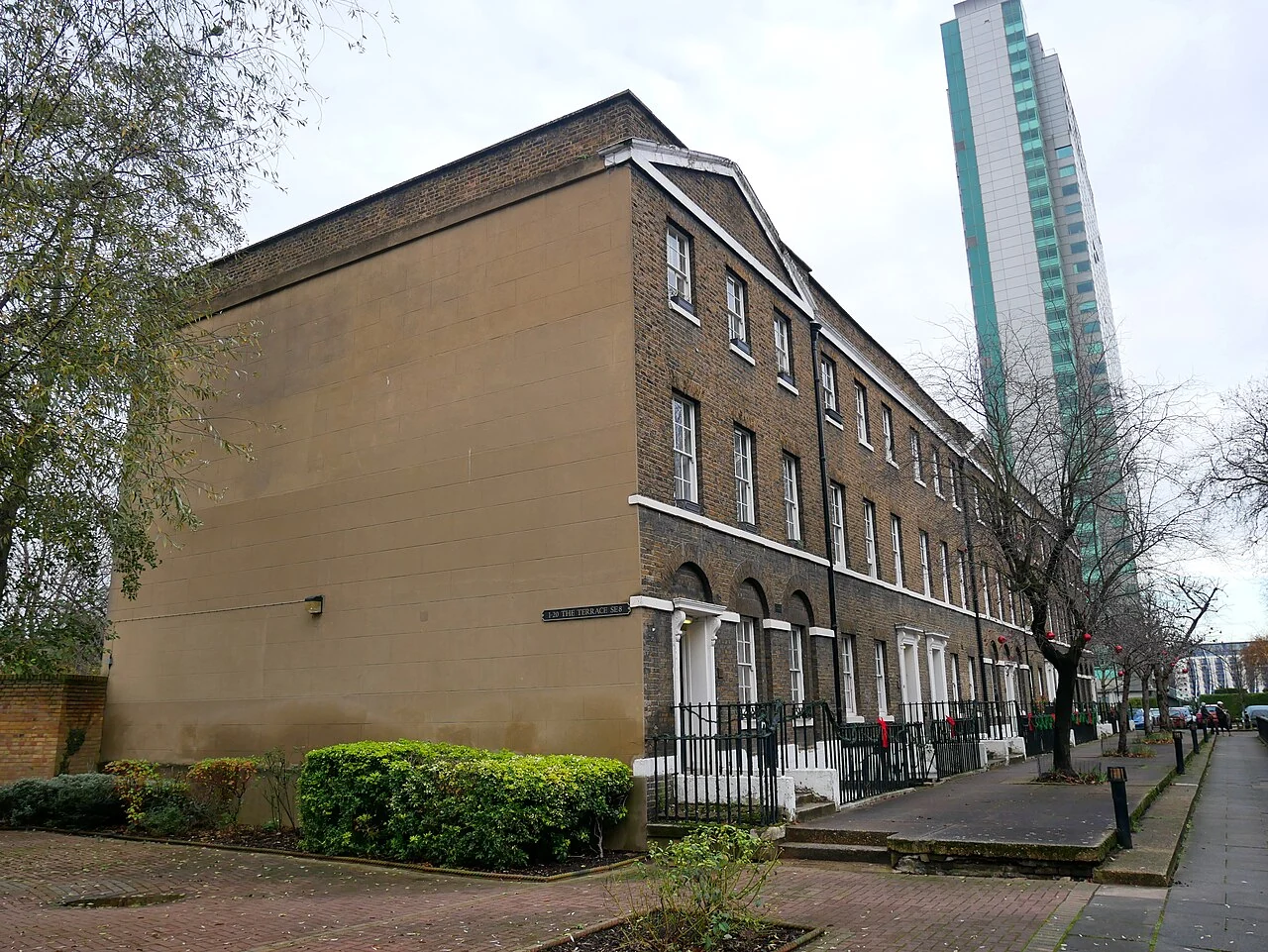
Property reference photograph; not a company job. Photo: Ethan Doyle White · CC BY-SA 4.0 (resized WebP).
Start with the resident’s reported location
Ask for the room, enclosure position and date, with a wider image showing the surrounding wall. Do not begin by labelling every boxed service in the building as the same riser. Plans or a maintenance diagram can help identify whether the reported route is actually connected to earlier work.
Our flat moisture enquiries can examine the agreed accessible evidence. The resident’s description of when wetting changes is useful; the manager’s knowledge of service access is useful for a different reason. Keeping those roles clear makes the appointment more focused.
Read the maintenance record by connection, not attendance date
Identify the component and level attended by the plumber. A repair in another flat may or may not relate to the present report. A general building invoice does not establish that the concealed connection beside this resident’s wall was inspected.
State whether the present mark predates the work and if it changed afterwards. The chronology can guide a specific water-source enquiry, but it does not justify attributing every new mark to a previously repaired pipe.
If access was restricted during the earlier attendance, retain that limitation. The next appointment should address the unexamined detail, not merely reproduce the same view with an additional maintenance contractor present.
The room needs attention even when a riser is suspected
Record other visible signs, such as morning glass moisture or growth behind furnishings. The enclosure’s position does not exclude a room-condition influence. Equally, a humid room does not prove that all concealed pipework is sound. Discuss room and extraction checks where appropriate. We consider accessible surfaces and installed arrangements within scope. The findings should identify which observations support a shared-service question and which belong to the room itself, allowing practical work to be specified separately.
Arrange authorised access only where it answers something
Identify the relevant panel, keyholder and permission before attendance. Explain any restriction on disturbing a shared enclosure. Opening communal services or testing concealed plumbing is not automatically included in a resident’s room booking.
Ask what the proposed further check will establish and who is equipped to carry it out. Protection and making good matter where work affects somebody’s home. A specific access request can help the manager coordinate the right task without turning every report into a survey of unrelated service routes.
Use the actual building records in a changing area
Lewisham’s site-allocation record describes the former Tidemill School scheme as conversion and extension of retained school buildings alongside new residential buildings. For a managed home within such a scheme, establish which part contains the reported room and obtain its actual service drawings. A shared enclosure in retained fabric should not be assumed to have the route shown for a new block. Identify the panel, connection and building contact relevant to the resident’s specific report.
Local building context: Lewisham: former Tidemill site record, retained and new residential buildings.
Keep the response traceable to the original report
The action record should identify the affected flat and surface, the examination completed and any outstanding communal question. Discussion of accessible mould treatment should not erase the limitation around an unopened service enclosure. A cleaned wall and a verified connection are different outcomes.
After relevant work, give the resident a clear observation point and retain the repair date and component. If moisture returns, the next contact can reference that specific sequence. The inspection’s physical findings support practical coordination; they do not determine legal responsibility or the allocation of shared costs.
Booking and reporting for a rented home
Can a report in one flat justify checking the whole riser?
The reported evidence and actual route should define the next question. A wider investigation may sometimes be relevant, but it should have an explained purpose. Avoid expanding from one visible mark to claims about every connection without supporting records or examination.
Should the maintenance contractor attend with the resident?
Arrange attendance if they can provide relevant route information or agreed access. Define that role beforehand. Bringing a contractor without the correct key or permission can leave the same uncertainty unresolved despite more people being present.
Does an earlier pipe repair exclude a new leak?
The location and scope of the earlier work matter. A repair to one component does not verify every connection beside the present mark. Compare the current evidence with the actual maintenance record rather than rely on the fact that plumbing work occurred somewhere in the building.
Can room condensation coexist with a service concern?
More than one influence may need consideration. Record the window or ventilation pattern separately from persistent wetting beside the enclosure. The assessment can then explain each question instead of forcing all observations into one diagnosis before relevant checks.
What should a manager pass to the next contractor?
Provide the exact location, relevant photographs, earlier work and the unresolved question identified. State the access permission available and any limitations. That is more useful than forwarding an unqualified instruction to remove mould throughout a flat.
Will treatment confirm the communal pipes are dry?
Treatment concerns the affected surface within its scope. It does not certify concealed plumbing that has not been examined. Keep the shared-service question and any further access requirement explicit even if the visible wall is cleaned or redecorated.
Can the resident remain at home during the checks?
Discuss the agreed task and preparation when booking. Occupied access can often be planned, while any intrusive or specialist work may need separate arrangements. Do not assume a resident must vacate solely because a communal service question has been raised.
Nearby areas we cover
Define the route before arranging another attendance.
Tell us the Deptford flat, enclosure position and relevant maintenance history. We can discuss an accessible inspection and the specific shared-access question needed for the next practical decision.