
THE FINISH IS PART OF THE MOISTURE EVIDENCE
Mould Inspection Chelsea
A stained internal wall in a Chelsea property needs its material history as well as its visible outline. Where an older stucco elevation or later coating relates to the room, describe previous repairs and the surface now affected. The inspection should interpret that evidence without prescribing a new finish from a meter number alone.
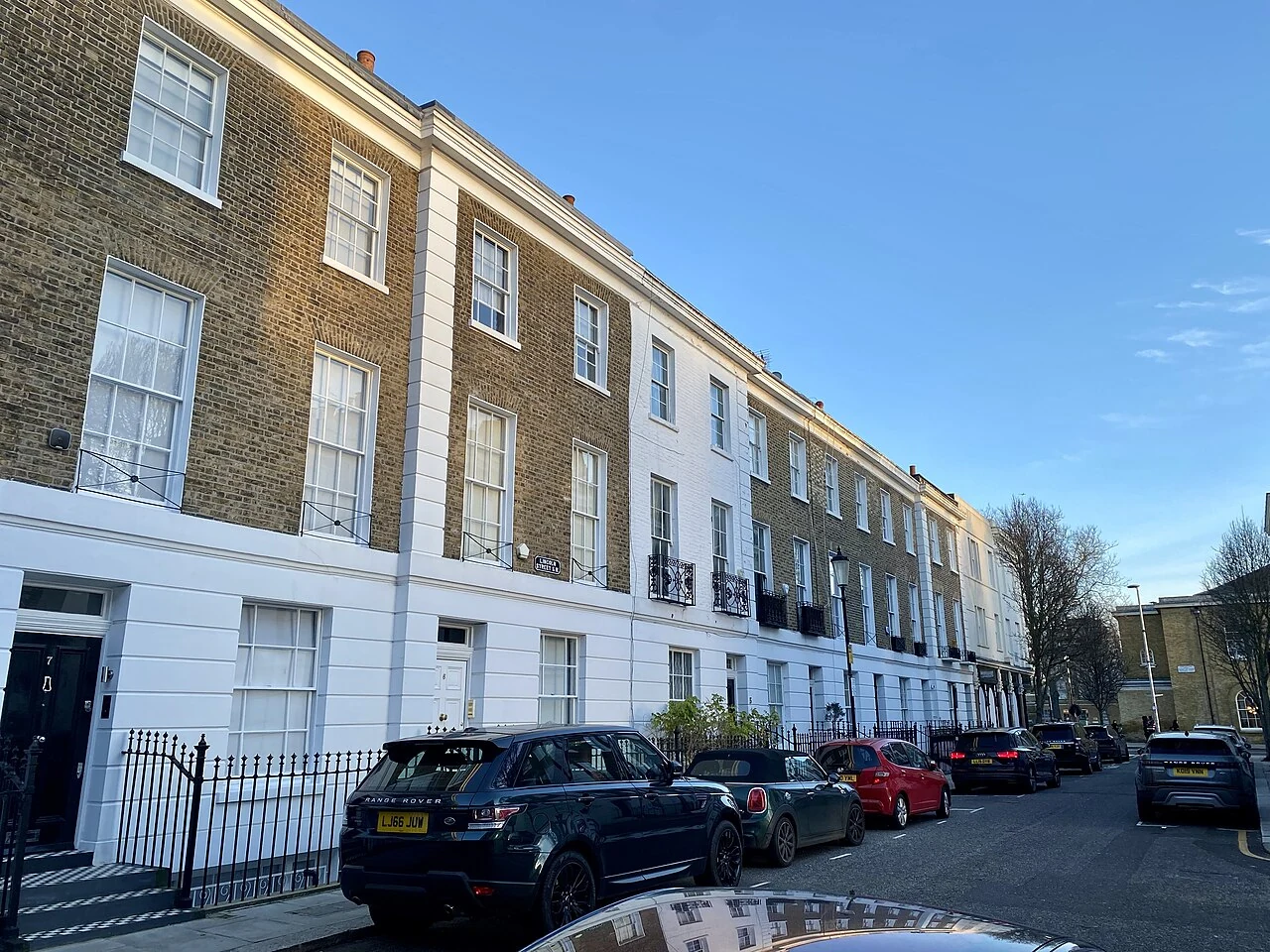
Property reference photograph; not a company job. Photo: No Swan So Fine · CC BY-SA 4.0 (resized WebP).
- Identify the internal finish and known external repairs
- Connect the affected position with accessible elevation details
- Choose further checks before replacing material unnecessarily
Use local material context carefully
RBKC’s draft Chelsea conservation appraisal describes stucco decoration and traditional building materials within that defined area. It is a reason to consider the actual elevation material, not evidence that all Chelsea walls are stucco or that a particular finish causes mould.
Describe the internal material you can see and any known outside repair at the same position. A painted lining, older plaster and later patch can respond differently to checks. Keep the location of each material change in the account, particularly if the recurring mark follows the edge of a previous repair.
Local building context: RBKC: Chelsea conservation-area guidance on stucco and building materials.
A reading needs the material it came from
A response on one wall cannot be interpreted independently of the finish, construction and surrounding evidence. Existing coatings, repair materials or residual effects from an earlier water event can complicate the picture. The inspection should explain why a measurement is useful, rather than use its number as an automatic specification for removing plaster. For assessment of the affected wall fabric, bring information about earlier replastering, decorating or external work. The record may show what was intended to change. It does not establish whether the same source is active now or whether every later mark belongs to the original concern.
Rain-related changes can point to a detail to examine
If a wall mark changes after wet weather, record the position and timing without deciding which external element admits water. A cornice, joint or repaired patch may be relevant where it relates to the room, but the actual condition needs examination. Observe only from an accessible safe place.
An enquiry into external water may need a specialist access arrangement or material repair outside the initial visit. The local conservation source informs context; it is not a repair specification for your elevation. Proposed alterations or invasive work should be checked separately for the property and with the relevant responsible parties.
Indoor growth can coexist with an external concern
Describe window moisture, room heating and ventilation where these form part of the normal pattern. Growth at a cool internal detail may be associated with room conditions, but that does not rule out a distinct wet patch through the wall. Keep the two observations separate if they change at different times.
Our assessment of room and ventilation evidence can consider the accessible setting alongside material findings. Advice should explain which observation it addresses. A general instruction to air the room is not a substitute for examining a reported defect, and an external repair does not automatically establish adequate extraction indoors.
Discuss the least speculative next action
During the appointment we review the history and inspect agreed accessible surfaces, using suitable checks where appropriate. Explain any decorative covering or fitted unit obscuring the old position. If further access is needed, ask which uncertainty it answers and how the affected finish will be reinstated.
Treatment of visible growth must account for the material and its condition. A sound surface and a deteriorated repair patch may require different decisions. Do not assume that either complete replastering or another coat is appropriate until the moisture question and proposed scope are clear.
Keep repair history available for follow-up
Use the original position to compare changes after the agreed action, with the date and description of material work. A new smooth finish can conceal the former outline, so record any recurrence rather than relying only on the appearance immediately after decorating.
Measures to reduce recurrence should follow the evidence for that wall and room. If a surface improves during dry weather but changes again with rain, say so. The aim is to maintain a useful material-and-moisture account, not replace one unsupported diagnosis with a different product name.
Nearby areas we cover
Questions about indoor and external moisture
Does the Chelsea stucco guidance diagnose my wall?
No. It describes materials within a defined conservation context. The actual building and affected finish need their own assessment. A local source can inform questions without establishing a moisture cause at your address.
Why bring replastering details?
They can identify material changes and the intended area of an earlier repair. That helps interpret the present evidence. The work description is useful history, but does not prove the wall has the same source now.
Can one meter response justify stripping all the plaster?
A reading needs material and location context, with other evidence where appropriate. It should not automatically specify extensive removal. Ask what the proposed work would answer or repair and why that scope is supported.
Should rain-related staining be reported separately from window droplets?
Yes, if their timing or location differs. The two observations can guide different enquiries. They may coexist, so neither should be used to dismiss the other without considering the wall and room evidence.
Will ordinary mould removal restore a damaged finish?
Treatment and reinstatement are different practical decisions. Explain any weakening or deterioration so the proposal addresses the material condition. Removing growth does not necessarily repair the finish or stop the source of moisture.
Tell us what has been repaired on that wall.
Describe the finish, recurring position and any outside work linked to it. We can discuss a Chelsea inspection before another coating or material replacement is chosen.