
THE AGENT CAN REACH SOME ROOMS, BUT NOT ALL
Mould Inspection Camden
An appointment in a shared Camden home can fail to answer the concern if the affected bedroom is unavailable or nobody can open the service cupboard. Plan the visit around the reported rooms and access restrictions, rather than assume a key to the front door covers the whole enquiry.
- List the reported rooms separately from the rooms available
- Arrange occupant access before setting the inspection scope
- Record limitations so unchecked spaces are not treated as clear
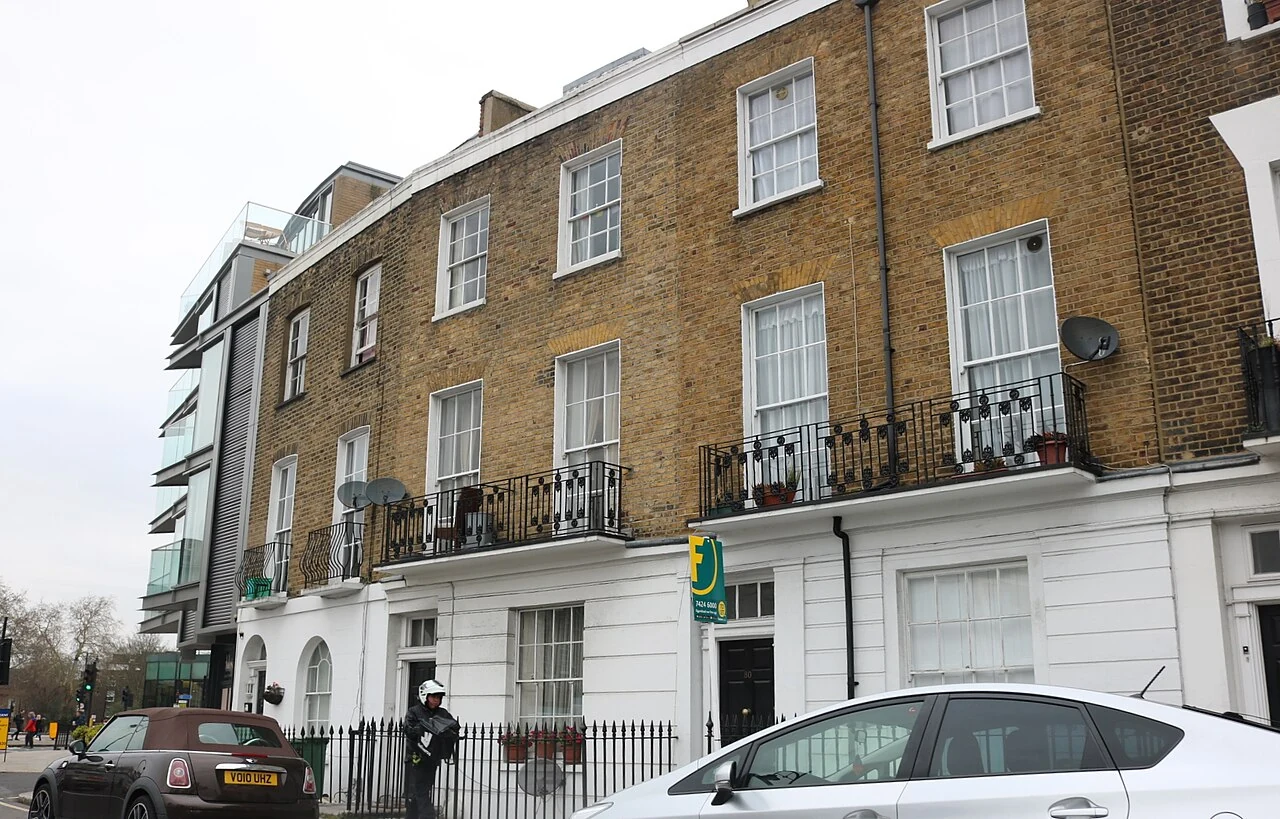
Property reference photograph; not a company job. Photo: David Howard · CC BY-SA 2.0 (resized WebP).
Make a room list before a booking becomes a date
Ask which rooms have actual observations and which are merely believed to be affected. Record the wall, window or ceiling position in each reported space. If a home is shared by students or other occupants, that is an access scenario rather than evidence of a particular local housing pattern.
Identify the people able to provide entry. An agent’s key may open the home while a bedroom remains unavailable or occupied at an inconvenient time. Our tenant-focused moisture enquiries can be discussed with those practical limits recognised before attendance.
Request useful observations from absent occupants
A wide room photograph and a dated close-up are more useful than an unlabelled image of a black corner. Ask whether the mark changes after sleep, bathing, rain or a known plumbing event. An absent person’s account can provide context, but it cannot replace examination of a surface that remains inaccessible.
Keep the accounts separate where rooms differ. A wet window in one bedroom and a persistently damaged wall in another may need different checks. The appointment should not silently substitute a convenient available room for the one containing the original concern.
Record what information is second-hand. Knowing that a description came through several messages helps avoid treating a guess about a water source as an observation made by the person using the room.
Agree what the first visit can reasonably cover
We discuss the reported surfaces, inspect the accessible agreed areas and consider suitable moisture checks. Where ventilation assessment is relevant, room arrangement and equipment need attention as well as ordinary use. A single accessible hallway is not automatically representative of every occupied bedroom. If entry is incomplete, decide whether a staged appointment is useful or whether obtaining access first better serves the enquiry. The findings must keep the boundary clear: an unavailable cupboard or bedroom has not been cleared simply because no further mark was visible in the shared corridor.
A second visit should have a named purpose
If a concealed route is still relevant, the next access request should identify it. A plumbing-source enquiry and checking another bedroom’s window are different tasks. An agent can arrange the right person and permission more effectively when the unresolved question is explicit.
Specify whether access requires an occupant, building manager or a contractor able to open and reinstate a finish. An additional appointment should not repeat the same restricted view with a different person holding the same front-door key. Keep earlier observations available so the newly accessible detail can be assessed against them.
Camden Square’s appraisal records substantial houses divided into self-contained flats or maisonettes, as well as the area’s earlier multiple occupation. If the booked home has such a conversion history, the current bedroom labels may not explain the original layout or shared routes. Ask the agent for the actual room arrangement and who controls entry at each level. That helps identify a relevant comparison without substituting an accessible room in another dwelling for the reported surface.
Local building context: Camden Square: house subdivision and conversion history.
Coordinate the response without flattening room differences
Discuss apartment treatment and prevention against the room findings actually obtained. Avoid issuing one identical instruction to every occupant when the evidence differs. Installed extraction, a persistent wet finish and growth beside a window can require distinct practical actions.
Keep a shared record of work dates and the specific room positions to review. Someone arranging appointments need not diagnose the property; their useful role is to ensure that relevant observations and access reach the right examination. The next report should identify what changed, rather than restart the conversation with another unlabelled photograph.
Booking and reporting for a rented home
Can the inspection proceed if one bedroom is locked?
Discuss which reported surface is behind that door and whether the remaining scope is useful. Accessible areas can be examined, with the limitation stated. A locked room should not be assumed to share the findings of another room which happened to be available.
Does the agent need every occupant present?
Not necessarily, but access and relevant room histories need arrangements. Some occupants can provide observations beforehand while an authorised contact admits the technician. Confirm what is required for the agreed scope rather than bring everyone to a meeting without a specific role.
Can photographs replace a visit to an unavailable room?
They can show position and history, but cannot provide every physical check or confirm a concealed source. Any conclusion based on images needs that limitation. Use them to plan useful access rather than present the absent room as fully inspected.
Will one humidity reading represent the shared home?
Room use, surfaces and ventilation can differ. A reading is a snapshot which needs its location and conditions understood. The inspection should explain appropriate comparisons within the agreed scope rather than use one convenient number as a conclusion about all occupants’ rooms.
What information should the booking agent collect?
Ask for labelled room photographs, reported timing, earlier work and restrictions on entry. Identify who can authorise access to any shared service. That practical record helps define the appointment without requiring the agent to choose a diagnosis in advance.
Can work be arranged only in rooms confirmed during the visit?
Treatment scope should reflect the accessible findings and any relevant unresolved question. Unchecked areas should remain explicit, particularly if a connected water route is suspected. A phased response can be discussed without implying that unavailable rooms have been excluded from the problem.
Nearby areas we cover
Make access match the reported concern.
Tell us which Camden rooms are affected, who can open them and what information absent occupants can provide. We can discuss an appointment whose scope remains clear from booking to findings.