
THE TOP-FLOOR ROOM BELOW THE ROOF
Mould Inspection West Hampstead
A ceiling mark in a top-floor flat raises questions about the room, roof and access beyond your own home. For mould inspection in West Hampstead, we examine the interior evidence and its timing before deciding which external or concealed detail deserves a separate check.
- Locate the mark against the roof and room below it
- Distinguish rain-related wetting from overnight surface moisture
- Agree who can provide roof records and external access
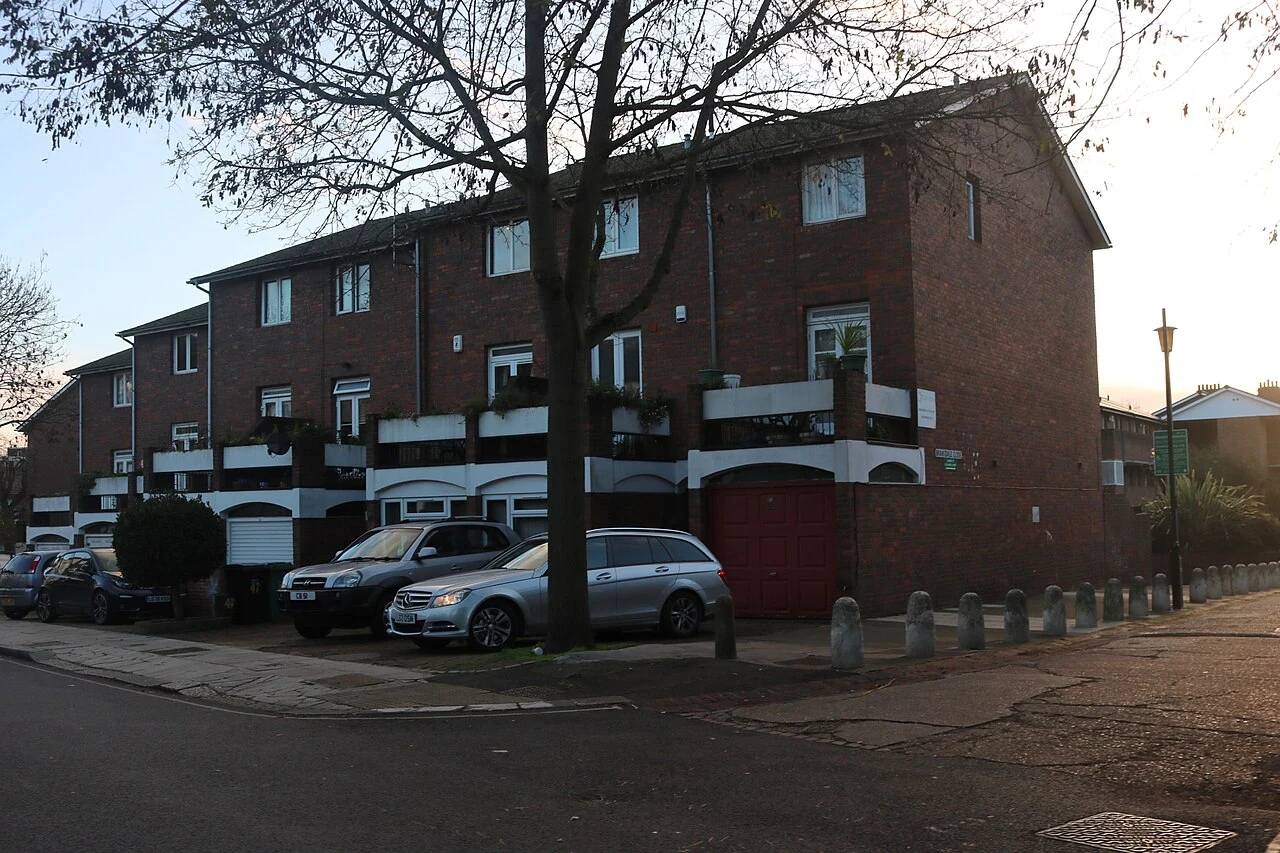
Property reference photograph; not a company job. Photo: David Howard · CC BY-SA 2.0 (resized WebP).
Identify what is above the affected ceiling
Explain whether the ceiling is sloped or level, whether an accessible loft exists and whether the roof belongs to the whole building. Bring a plan or previous roofer’s description if available. The uppermost flat may sit beneath different roof sections, so saying top floor does not locate the relevant connection precisely enough.
The West End Green appraisal describes natural-slate roofscapes and a mix which includes houses and mansion blocks. For a top-floor flat in that part of West Hampstead, establish the roof section above the mark and who manages it, rather than infer responsibility from the street frontage. Bring any conversion or roof-work record already held. A room appointment can assess accessible ceiling evidence while exterior or loft access remains a separately arranged question for the actual building.
Local building context: Camden: West End Green appraisal, roofscape and housing forms.
The timing is as useful as the outline
Take a wider photograph showing the ceiling, window and external wall below the mark. Note whether it darkens after rain, follows a cold night or remains damp through different conditions. A corner-shaped patch and a spreading water stain can prompt different questions, without either pattern independently proving a cause. For a persistently affected finish, a ceiling and wall damp enquiry can consider suitable accessible checks. Material and decorating history influence interpretation. A single instrument response should not be converted into a complete roof diagnosis when the exterior and concealed construction have not been examined.
Separate room evidence from a roof assumption
Tell us about heating, bathroom extraction and any condensation on windows in the same room. A top-floor position does not rule out an indoor moisture contribution, just as morning glass moisture does not exclude a separate external defect. Keep the two observations distinct rather than choosing one before the appointment.
Our room-condition assessment can help interpret the accessible surfaces. If thermal imaging is appropriate, its surface patterns still need that context. It does not reveal every hidden layer or prove that a particular roof joint admits water.
Roof access is a separate practical question
Find out who controls the roof and whether an earlier inspection record is available. Do not climb onto it or enter an unsafe loft to photograph a suspected defect. An agent may need to arrange a suitable contractor and access equipment before an external detail can be confirmed.
Make the external appointment answer the room evidence
Discuss investigation of external water routes when the history points that way. The room appointment can identify a reason for that next check while documenting its limits. It should not be described as a roof survey merely because the ceiling is on the highest level.
Bring earlier work into the investigation
Record roof repairs, changes to ceiling finishes and any added insulation known to you. Explain whether the mark was covered between incidents. A newly painted surface can make the latest observation appear new even when an older record shows the same position.
We examine accessible booked areas and discuss whether further access would answer an unresolved question. Opening a ceiling or examining a loft needs an agreed scope and consent. The proposed step should identify the relevant detail and making good, rather than prescribe broad stripping because the inaccessible space is above a mouldy room.
Choose treatment without claiming the roof is cleared
Treatment of visible ceiling growth should reflect the material condition and any outstanding moisture issue. Repair, drying and reinstatement may need coordination with the person responsible for the roof. Cleaning alone cannot confirm that an unexamined exterior is watertight.
After work, compare the original ceiling location during the conditions that previously changed it. Keep the contractor’s findings and repair date with those observations. Renewed wetting deserves a review of the specific roof or room question, not an assumption that another cosmetic coat will complete the investigation.
Nearby areas we cover
Questions before checking the property
Does top-floor ceiling mould always mean a roof leak?
The position warrants attention to what lies above, but it does not establish a leak. Indoor moisture, surface conditions and construction details may also be relevant. Report the timing and any roof history so the next check follows the evidence.
Is a roof survey included in a room inspection?
An interior appointment and a roof examination have different access and scope requirements. Explain the external concern when booking. Findings can identify a further question, while roof access or specialist survey work needs its own agreed arrangement.
Can thermal imaging prove that insulation is missing?
A surface pattern can suggest a detail worth examining under suitable conditions. It does not independently confirm every concealed layer or distinguish all possible influences. Any recommendation for further access should explain what additional evidence is needed before specifying alterations.
What should I request from the managing agent?
Ask for relevant roof inspection or repair records, the arrangement for authorised access and details of work near the affected position. Those records give the chronology practical value. A general assurance that the roof was checked is less useful without the location and scope of that check.
Should the ceiling be repainted immediately after a roof repair?
The response should consider the material condition, remaining moisture and any required treatment. The repair date is not by itself a drying assessment. Discuss the sequence with the relevant contractors, retaining photographs so subsequent changes can be compared with the original mark.
What if the roof covering was changed recently?
Record the work date, affected roof section and any contractor observations. A recent replacement is relevant chronology, but does not independently settle the present ceiling concern. The inspection should relate accessible evidence to the work and state which concealed or external details remain uncertain.
Is an accessible loft always safe to enter for photographs?
The presence of a hatch does not establish safe access or suitable boarding. Describe what is available and leave entry arrangements to the appropriately equipped person. An interior appointment should not depend on an owner taking risks to obtain an image above the ceiling.
Should I record dry-weather photographs as well?
A comparison under different conditions can help describe when the surface changes. Keep the same viewpoint and identify the dates. It remains supporting history rather than proof of a diagnosis, particularly when weather, heating or room use changed together.
Connect the ceiling mark with its history.
Mention the roof arrangement, weather timing and any records held by an agent. Call to discuss a West Hampstead inspection which distinguishes the room findings from the external checks still needed.