
THE TIMING CAN GUIDE A CONCEALED-WATER QUESTION
Mould Inspection Brentford
A mark that changes after a bath or appliance cycle needs a more precise enquiry than “a pipe behind the wall”. For a Brentford inspection, we compare naturally observed water-use timing with the accessible pattern, then identify what further check would distinguish possible sources.
- Keep fixture-use observations tied to one affected location
- Separate a possible feed fault from a possible waste route
- Ask what an additional test would confirm before opening a finish
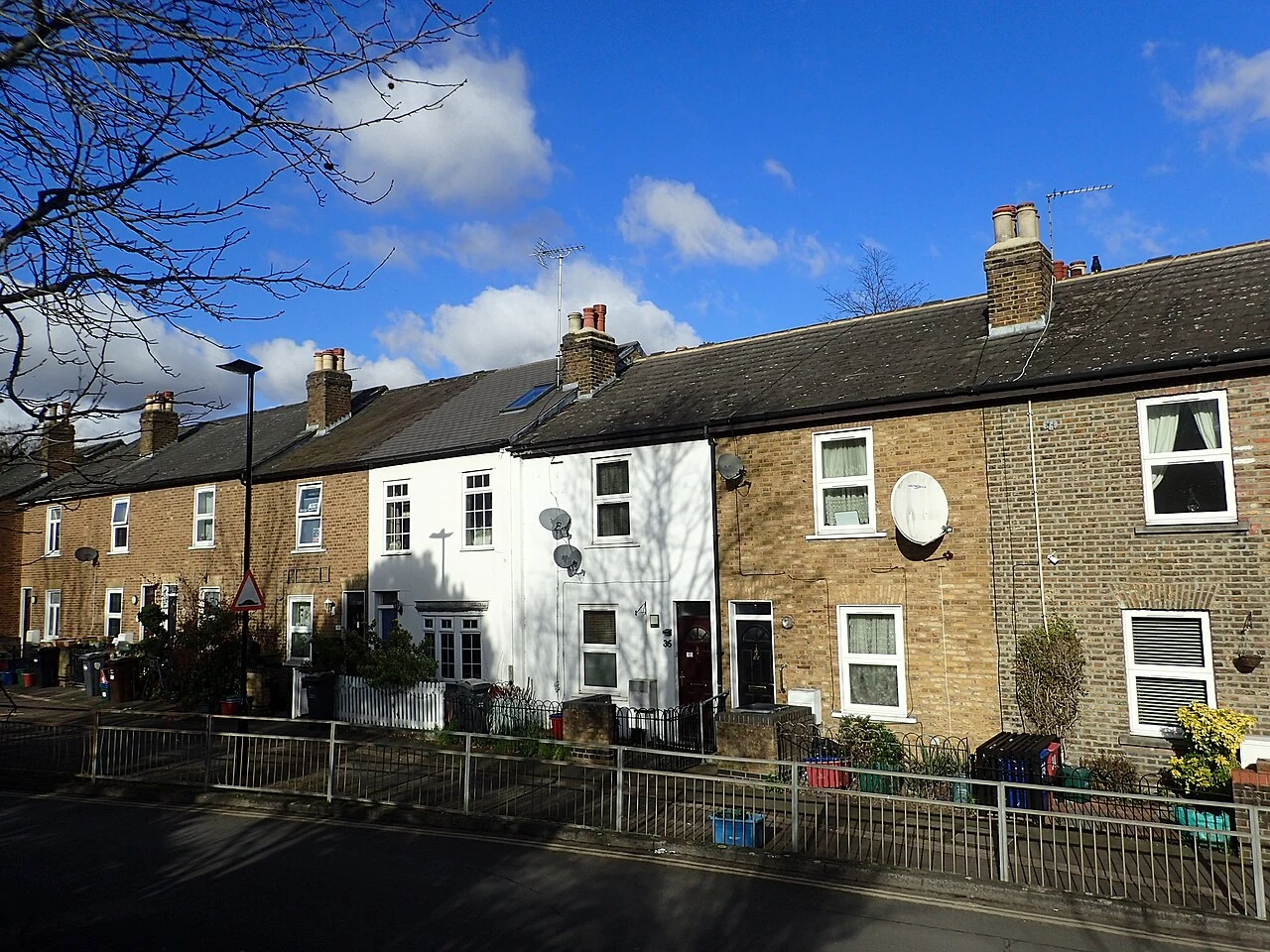
Property reference photograph; not a company job. Photo: Marathon · CC BY-SA 2.0 (resized WebP).
Which ordinary event precedes the change?
Describe a bath, shower, washing-machine cycle or other event that you already noticed before the wall changed. State whether it happens consistently or only occasionally. A mark first seen at night does not establish that an evening activity caused it; the distinction between discovery and change is worth preserving.
Keep the same surface position in each observation, with a photograph locating it within the room. Do not deliberately reproduce suspected water escape for the appointment. Active water needs the appropriate repair attention, and any controlled diagnostic test should be arranged by the person equipped to carry it out safely.
Feed, waste and seals do not behave identically
Water supplied to a fitting, water leaving it and water passing a wet-area seal can present different questions. A response during or after fixture use may guide examination, but timing alone cannot identify which part is responsible. A concealed supply route can also be unrelated to the appliance that happens to sit beside the mark.
Our investigation of a possible hidden water source can use the reported sequence alongside accessible evidence. Bring previous work details naming the component and any test completed. An invoice saying a leak was attended is useful chronology, but provides less diagnostic information than a description of what was examined and what remained inaccessible.
Avoid interpreting the absence of an exposed puddle as proof that the concealed route is dry. Water may affect adjoining material without reaching the visible floor. Equally, mould near a service position does not prove water escape; room conditions and the building surface need consideration.
Begin with checks that can be related to the material
A suitable comparison around the affected area may help map a local pattern. The location, finish and method matter: a response beside metal or through a different covering cannot automatically be compared with bare plaster elsewhere. We explain a moisture indication in its context rather than use one display to name a failed pipe.
The assessment of local wall dampness can consider surface condition, nearby accessible fittings and the chronology. If the pattern does not fit the suggested route, that mismatch is valuable. It may lead to another question rather than an opening directly behind the darkest visible patch.
Identify the test before identifying the opening
The next enquiry might concern an accessible connection, a particular concealed route or a wet-area detail. Its purpose should be clear: what result would support or reduce concern about the proposed source? Specialist plumbing tests, appliance work and intrusive access require appropriate arrangements; they are not automatically included in looking at surface growth.
If a contractor recommends opening a wall, ask which component or material needs to become visible and what the examination would establish. A small targeted opening can still require permission and making good. The aim is an answer to the supported question, not dismantling an enclosure simply because water may be somewhere behind it.
A room-condition alternative should remain testable
Growth can coincide with fixture use because ordinary bathing also changes indoor moisture. That is different from establishing a plumbing failure. Note whether droplets appear elsewhere, whether the room clears and whether the suspect wall behaves independently of the general environment.
Our review of the ventilation and room evidence can contribute to that distinction. Rain-linked change adds another possible route. We avoid forcing every observation into the fixture-use account merely because it was the first explanation suggested.
Use Brentford building information to locate the route
Hounslow’s St Paul’s Brentford appraisal describes older residential building groups alongside later blocks of flats within its boundary. For a patch changing after fixture use, identify whether the relevant fitting and service route belong to your dwelling or another part of the building. The two arrangements require different records and access, even if the timing appears similar. This local mixture cannot locate unseen pipes; it makes establishing the actual dwelling and service relationship a useful first step.
For this home, tell us whether the relevant fitting is in your dwelling, a neighbouring room or a shared part. Existing drawings can clarify a route; without them, its position may remain an inference. In a flat, the apartment moisture enquiry should preserve that distinction instead of describing unseen communal pipework as checked.
Local building context: Hounslow Council: St Paul’s Brentford appraisal, historic housing and later flats.
After source work, reassess the affected material
Retain the repair description and any diagnostic finding. The next decision concerns the wetted finish, drying and treatment of confirmed affected surfaces. Repairing one component and cleaning the room answer different questions; neither should silently substitute for the other.
For review, compare the original location with the naturally observed activity that previously accompanied change. A new liner or decorative finish can hide the old reference, so keep its position recorded. If the relation changes after the repair, report that difference rather than automatically commissioning the same test or treatment again.
Before another round of treatment
Does a mark after bathing confirm a waste-pipe fault?
It is useful timing information, not confirmation of a specific component. Supply connections, seals and room moisture may also be relevant. The accessible findings and appropriate further checks should distinguish those questions before selecting a particular plumbing repair.
Can I run the washing machine to show the leak?
Do not deliberately recreate suspected water escape that could cause further damage. Describe earlier observations and arrange appropriate repair attention for active concerns. Any controlled test should have a suitable scope, equipment and safe arrangement rather than be improvised before a mould visit.
Why ask what a further test would confirm?
Different checks address different routes. Naming the question helps keep a specialist appointment focused and makes its result usable for the next decision. A general instruction to test the plumbing gives less clarity than identifying the suspected component and what evidence remains missing.
Will moisture readings tell you which pipe failed?
Readings can help describe an accessible pattern when interpreted against the material and method. They do not automatically identify a concealed component. The history, layout and sometimes a separate specialist test or authorised opening are needed to investigate the source more specifically.
What if the affected fitting belongs to another flat?
Explain that relationship and available records at booking. Accessible checks in your room can still provide evidence, while a component elsewhere remains unexamined without permission. The next recommendation should identify what further access is useful rather than assume the whole route was checked.
Nearby areas we cover
Describe the activity before the change.
For Brentford, tell us which fitting or appliance was used, where the mark changes and what a previous contractor checked. Call to discuss a targeted starting scope and the question any further test would answer.