
AFTER THE WINDOWS WERE CHANGED
Mould Inspection Chiswick
Better windows can make a room feel less draughty while leaving a different moisture problem around the reveal or behind a curtain. A Chiswick inspection starts with the alterations to your property, the ventilation that remains and the place where growth now appears.
- Explain the window upgrade and what changed afterwards
- Compare the glass, reveal and adjacent wall
- Check extraction before adding another sealed finish
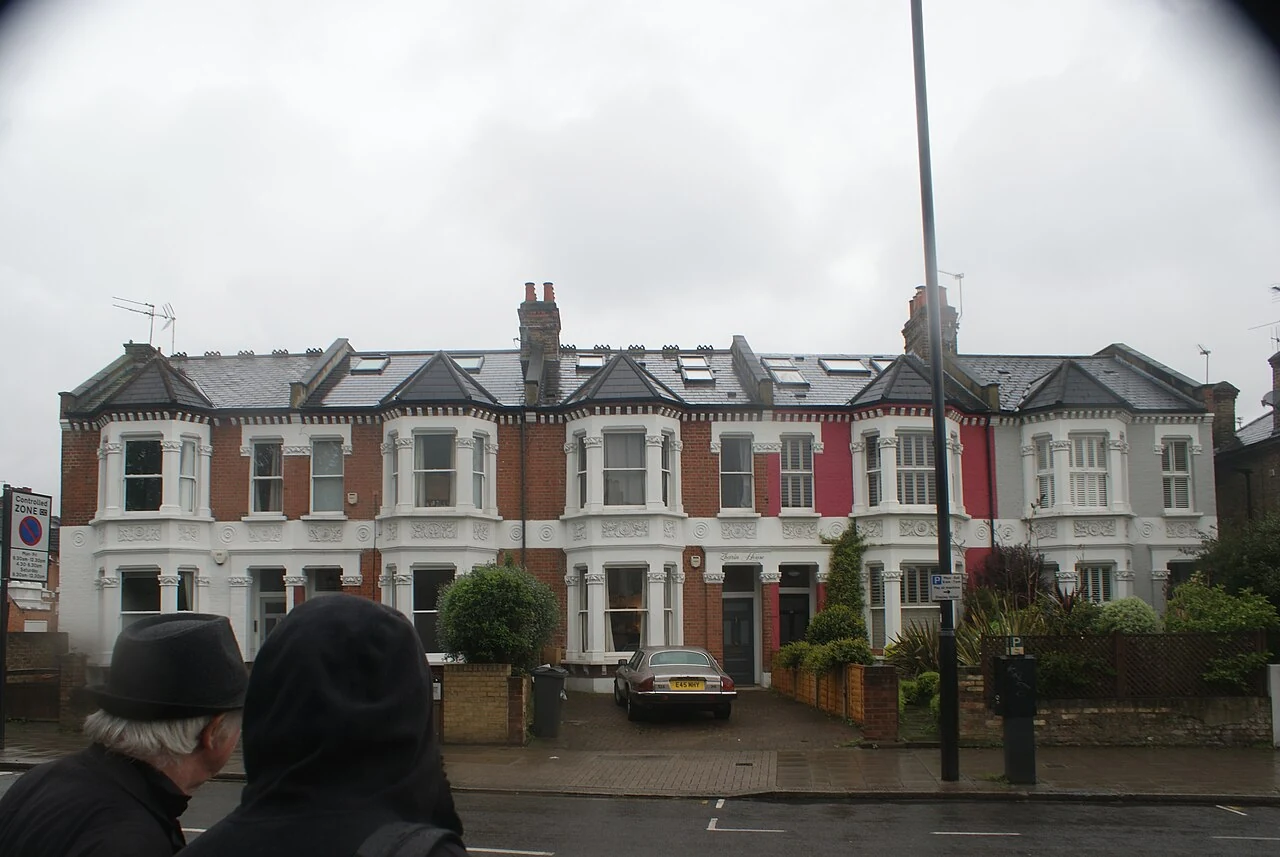
Property reference photograph; not a company job. Photo: Robert Lamb · CC BY-SA 2.0 (resized WebP).
The window belongs to a whole room
Start with the work that was actually done. Were the frames replaced, secondary glazing added or draught seals fitted? Note whether any vents were removed or covered. Keep the installer’s description available, particularly if the problem first appeared after the work. The inspection can then relate the visible marks to the changed room rather than treat the window as an isolated product.
Hounslow’s Glebe Estate appraisal records two-storey houses with ground-floor bays and describes their original sash-window and fireplace arrangements. In a Chiswick home within that estate, explain which openings or vents have since changed, rather than infer current airflow from the retained frontage. A replacement pane, altered reveal and closed fireplace affect different details. Bring the upgrade history so the inspection can compare the actual window surround with the way the whole room is now arranged.
Local building context: Hounslow: Glebe Estate appraisal, bays and original room openings.
Dry glass does not settle the question
A new pane may remain clearer while a nearby surface still receives moisture. Look separately at the frame, the plaster reveal, the wall above and the curtain lining. A narrow line on a seal calls for a different enquiry from a spreading stain beside the opening. Photographs showing the whole window help preserve those distinctions.
Our window mould assessment considers that surrounding context. Tell us if moisture appears only overnight or continues into the afternoon. A comparison with another window in the same home may be useful, although its orientation and room use can differ. Clear glass alone is not proof that the whole room has adequate ventilation.
Find where the room air can go
An opening window, background vent and extractor each contribute differently. Identify which fitted controls are normally used and whether a bathroom or kitchen fan discharges outdoors. An appliance that recirculates air is not the same arrangement as one that removes humid room air. Noisy operation does not establish useful airflow through a blocked or disconnected route.
A ventilation review can connect the room observations with the available routes. This is a check of the property and installed equipment, not an assumption that occupants caused the problem. Report a vent that has been painted shut or a fan which stops immediately after the light is switched off.
The window covering and the alteration history
A full-length curtain or deep blind can create a different small space beside the window from the rest of the bedroom. Show how the covering sits when closed and whether the affected surface is behind it. We consider the local arrangement alongside room conditions; the presence of a curtain does not rule out water entering at the frame.
If the wall darkens after rainfall, mention that before booking. Checks of external water routes may be relevant where the available evidence points outside. The timing and position of wetting are more informative than assuming that every window-adjacent mark is condensation.
Check that photographs identify the same opening each time. Where two bedrooms have similar bays or frames, a room label prevents an installer’s earlier adjustment from being confused with work at the current affected window.
We examine the accessible affected areas and discuss suitable moisture checks within the agreed appointment. Installation records, earlier photographs and dates of redecoration can show what has changed. Tell us if fixed shutters or furniture limit access so the visit can be planned without unexpected dismantling.
Where a concealed frame detail remains uncertain, the next step should identify the evidence needed, the person able to arrange access and any making good. A room inspection cannot automatically certify the installation or decide a warranty dispute. Keep those contractual questions separate from identifying the present moisture concern.
Match the next action to the actual surface
Discuss treatment of the affected finish once continuing moisture and the condition of the material have been considered. Repainting a wet reveal before understanding it can hide the evidence without improving the room. A proposed window replacement should also answer a specific finding, rather than be presented as a universal mould cure. Following any agreed changes, watch the same reveal and wall during comparable room use. Note whether the curtain lining stays damp, not just whether the glass looks clear. A useful follow-up compares the original concern with the changed conditions, allowing a remaining building question to be addressed rather than restarting with another cleaning cycle.
Nearby areas we cover
Questions before checking the property
Could replacing the windows make an existing moisture issue more visible?
The room may behave differently after an alteration to air leakage or surface temperature. That timing is worth recording, but it does not establish that the installation caused the mould. We consider the retained ventilation and the location of growth alongside other possible moisture routes.
Should I open every window before the inspection?
Explain the normal ventilation routine and ask about appointment preparation when booking. Changing the room immediately beforehand can make a snapshot less representative. The useful account is how the space is usually heated and ventilated, including any controls that occupants cannot operate.
Does a mouldy blind mean I need a new frame?
A damp covering shows that its immediate environment needs attention. The frame, glass and surrounding wall still need separate consideration. Replacement should follow a reasoned finding about the component; staining on fabric alone does not specify which building product needs changing.
Can you approve replacement windows in a conservation area?
Planning or conservation approval is a council matter. The inspection can clarify moisture observations which inform a proposed alteration, but it is not permission to carry out that work. Check the actual address and proposed design through the relevant council guidance.
What records help if the installer has already visited?
Bring the dates, reported observations and any adjustments made to vents, seals or drainage details. Photographs from before and after those changes are useful. An installer’s attendance is part of the chronology, rather than evidence that all possible moisture causes have been excluded.
What if the growth moved after the upgrade?
Identify both the earlier and current positions, with photographs if available. A changed surface pattern can be useful evidence of how the room now behaves. It does not show that the earlier cause was resolved, so the alteration history and remaining moisture routes still need consideration.
Tell us what changed at the window.
Have the installation date, affected room and ventilation details to hand. We can discuss a Chiswick appointment that examines the surrounding property as well as the visible growth.