
PUT THE MOISTURE POSITION INTO THE ALTERED PLAN
Mould Inspection Isleworth
A blocked opening or changed stair arrangement can make an old building plan misleading when locating a present moisture mark. For an Isleworth enquiry, we compare reliable earlier records with the layout you now use, then identify the wall relationship that actually needs examination.
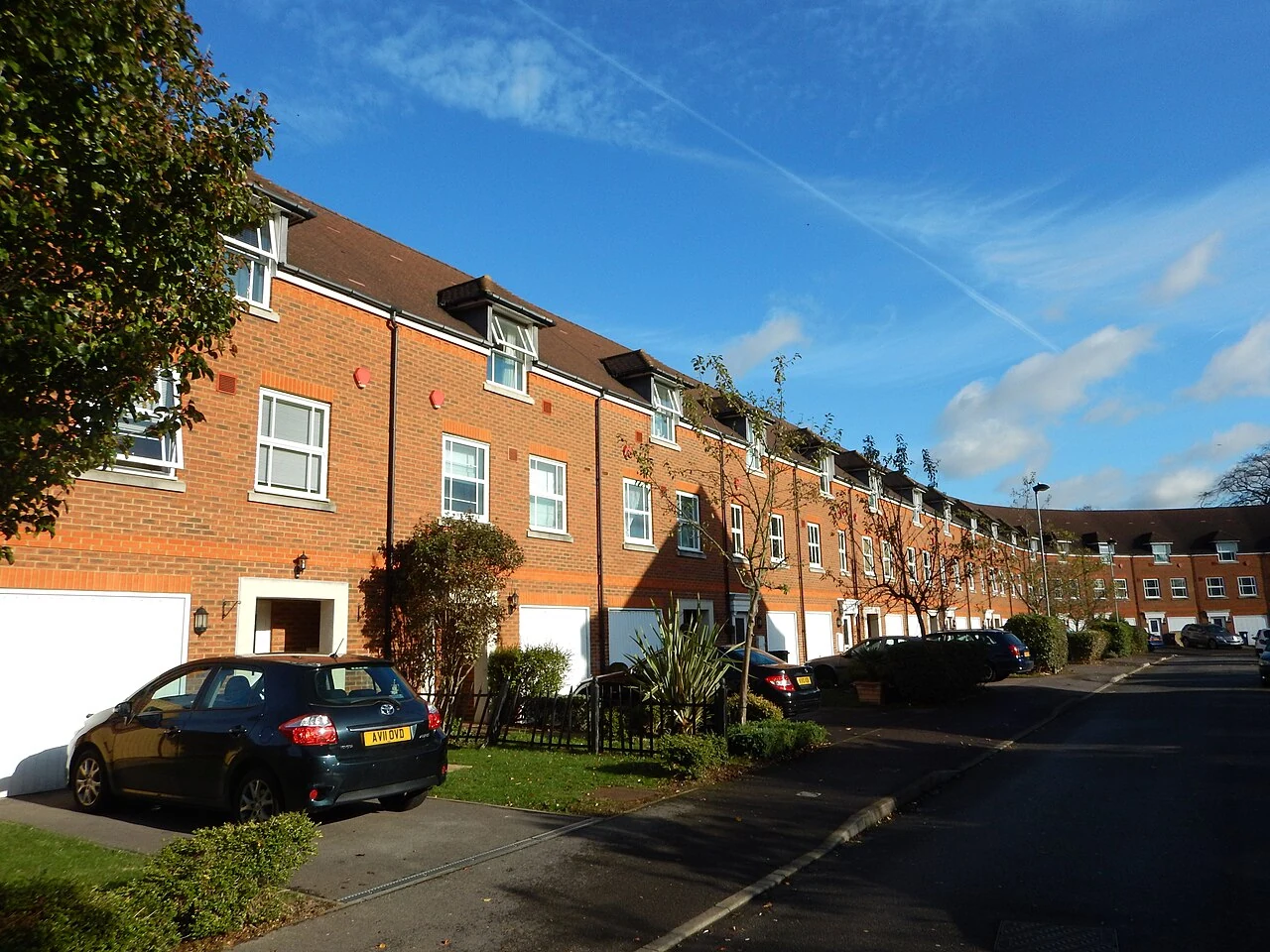
Property reference photograph; not a company job. Photo: James Emmans · CC BY-SA 2.0 (resized WebP).
- Mark the current surface on the present room plan
- Distinguish recorded former openings from assumed hidden construction
- Use alteration information to select a targeted material or water question
Begin with the local building range and your current plan
Hounslow’s Isleworth Riverside appraisal describes buildings from differing periods within the historic core. That local range makes the individual building’s reliable records more useful than one assumed original layout. It does not establish that every Isleworth home has changed stairs, blocked openings or the same wall construction.
Sketch the room as it exists today and locate the affected surface against its doors, stairs and adjoining spaces. Say which earlier features are known from records and which are only suspected. A present photograph and an old plan can each be useful, but they should not be treated as pictures of identical arrangements.
Local building context: Hounslow Council: Isleworth Riverside conservation-area appraisal.
Keep the current location separate from the former room name
An old plan may label a room or doorway that has since been subdivided or closed. Explain how its position corresponds with the present mark. If that relationship is uncertain, retain the uncertainty rather than identify a concealed wall solely from a remembered room name.
Our inspection of the reported moisture position can use the altered layout to focus accessible checks. The question is what lies beside, above or behind this surface now, not whether the earlier plan supplied a convincing-looking explanation. A former external opening may also have a different present relationship with adjoining space.
A former opening needs a material question, not a conclusion
If records identify a blocked door or window at the affected position, mention when it was changed and what work description exists. The outline can help choose comparison points, but does not establish the material used or prove that the infill is defective. Later coverings may further limit what can be seen.
A focused assessment of the affected fabric should interpret suitable accessible evidence against those material differences. A response on an infilled patch is not automatically comparable with the original wall beside it. Where concealed construction matters to the next decision, an authorised opening may be proposed with its purpose explained.
The stair relationship can locate an overlooked connection
A moved or enclosed stair can change which space adjoins the wall. Describe any accessible cupboard, passage or room beneath it, including known nearby services. This can help identify a relevant observation that a close-up of the growth would omit, without making the stair itself a moisture diagnosis.
Ask whether an earlier repair description referred to the old arrangement or today’s room. Confusing the two can send a contractor to a different surface. A suspected water-source enquiry needs the actual service relationship and timing, not a pipe route guessed from an outdated plan.
Where another dwelling or common area now occupies the adjoining position, explain that boundary at booking. An old drawing does not provide present permission to enter it, or establish that its materials and services remain unchanged.
Test the altered-plan account against the observations
Note whether the mark changes after rainfall, nearby water use or ordinary occupation. Those patterns can support different enquiries. A plausible former opening does not have to explain every current surface concern simply because it is the most distinctive feature in the building history.
Our consideration of room moisture can contribute where relevant, while an outside water enquiry may be appropriate for another pattern. Keep each observation located on the current plan. The next recommendation should explain why that route is supported, rather than list all the building’s alterations as possible faults.
Choose further access around the unresolved detail
We discuss the layout history, examine agreed accessible surfaces and consider suitable checks. Existing plans, photographs and invoices can help without commissioning a new survey solely to report the concern. Tell us if a fixed lining, staircase cupboard or restricted adjoining space prevents the relevant comparison.
If opening or additional entry is recommended, identify the detail, evidence sought and how it affects the proposed work. Permissions and reinstatement need clear arrangements. A limited surface enquiry should not be described as confirming every concealed alteration or approving the building’s current layout.
Retain the corrected location for treatment and review
Discuss treatment of the affected accessible material with the supported moisture route and finish condition in view. A repaired connection, replaced infill and new decorative covering answer different questions. The work description should refer to the present surface so the original location is not lost again.
After action, update the sketch for any material opened or replaced and retain the relevant record. Compare the same current position under ordinary use and relevant weather. A better historical plan alone is not improvement in the room; its value is helping the investigation and subsequent work address the correct building detail.
Nearby areas we cover
Questions about indoor and external moisture
Do I need an original building plan before calling?
No. Describe the current layout and provide earlier records if already available. A simple sketch can locate the surface and identify uncertainties. The purpose is a useful account of the affected position, not a requirement to reconstruct the entire property history before reporting mould.
Does mould at a former opening prove faulty infill?
The recorded position can guide a material enquiry, but does not establish the concealed construction or source. Room conditions and other water routes may also matter. Suitable comparisons and any justified further access should support a conclusion before repair is specified.
Why mention a staircase that was moved?
It can explain which space now adjoins the affected surface and whether an old repair record points elsewhere. That relationship is useful context, not proof that the stair caused moisture. Identify what is known and what remains uncertain about the changed arrangement.
Can an old plan confirm a current pipe route?
It may provide a starting reference, but later work can change services. Distinguish the documented route from the present accessible evidence. A concealed-water check should not rely on an outdated drawing as confirmation that every component remains where it was shown.
Should a blocked doorway be opened before the visit?
Do not disturb it merely to prepare for a mould appointment. Describe the records and accessible surface first. If an opening would answer a particular question, its extent, permission, preparation and reinstatement should be agreed before work begins.
Will the inspection approve past layout alterations?
The appointment concerns the reported moisture evidence and agreed access. It does not certify every concealed construction detail or provide alteration approval. Relevant records can inform the enquiry while any building-control, ownership or design question needs its appropriate separate consideration.
Locate today’s mark on today’s layout.
For Isleworth, tell us about known former openings, changed stairs and the present affected surface. Call to discuss how reliable records and accessible comparisons can focus the next investigation.