
BEFORE THE HOME IS LET AGAIN
Mould Inspection Bermondsey
A room can look refreshed while a returning moisture concern remains unanswered. Before letting a Bermondsey home, use the vacant period to assess the affected surfaces, review previous occupancy observations and arrange any relevant access before new furnishings cover the evidence.
- Bring the previous occupant’s observations into the vacant-room check
- Distinguish decoration from a completed moisture response
- Record the work and remaining question before handover
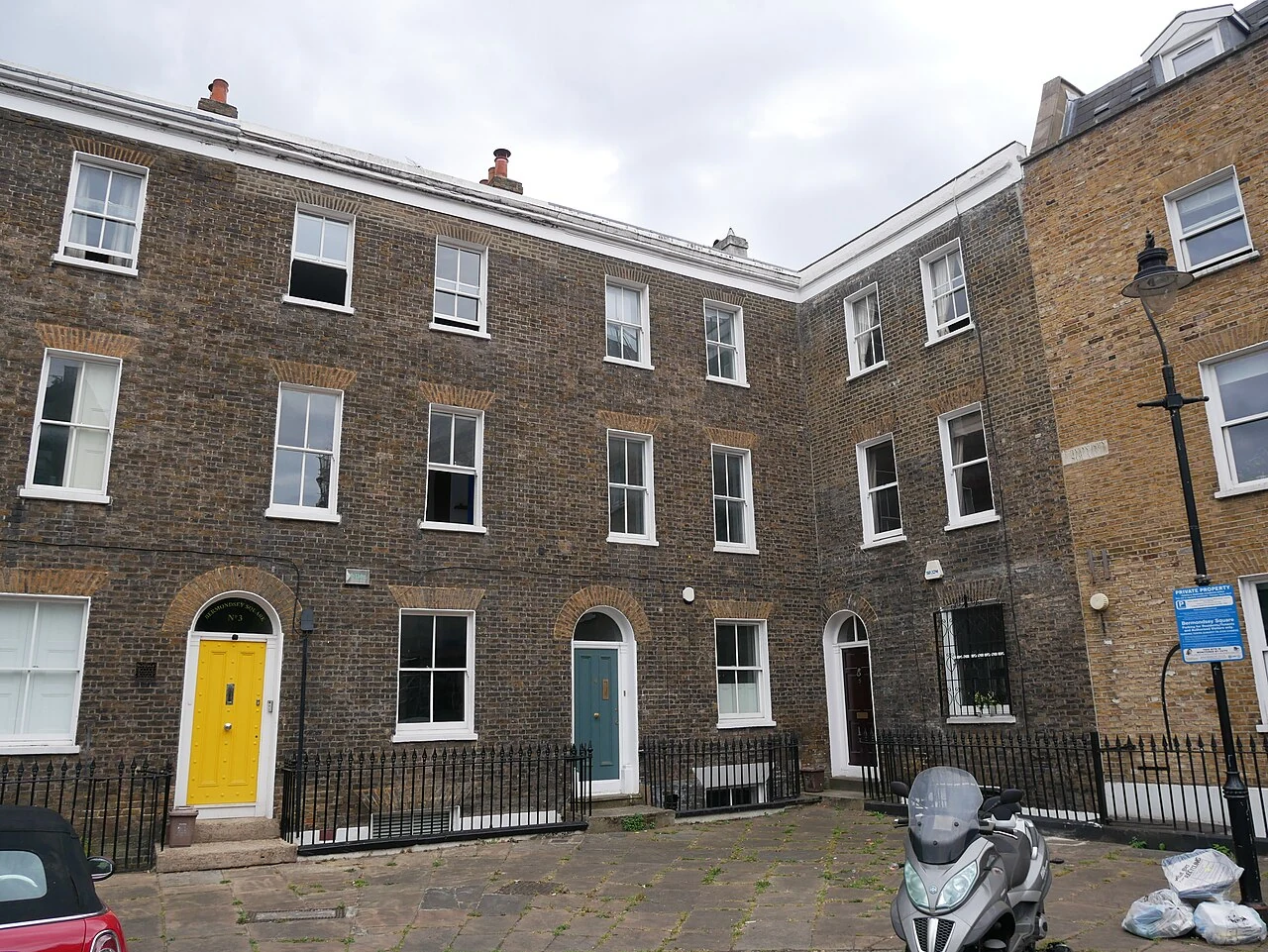
Property reference photograph; not a company job. Photo: Doyle of London · CC BY-SA 4.0 (resized WebP).
Use the vacant period to recover the room history
Collect the earlier occupant’s dated reports, photographs and any contractor notes. Identify the wall or window position rather than rely on an agent’s general description that mould was present. Say if furniture previously concealed the surface and if the room has already been stripped or repainted.
Our letting-property moisture enquiries can be discussed with the change in occupation recognised. A vacant room may not reproduce an overnight pattern, so the earlier account helps interpret what is now accessible without being treated as a substitute for examination.
The empty room can improve access, not prove a cause
An exposed wall can make useful surfaces easier to reach. It does not show how the room behaved with ordinary heating, curtains and belongings. Describe what was removed and what changed in the ventilation routine after the property became vacant.
For recurring window or corner growth, a room-condition assessment can consider installed equipment and the available history. A brief aired viewing is not automatically representative. The findings should explain the timing limitation rather than give a stronger conclusion merely because the surface looks better without furniture.
If wetting persists while the home is empty, report it as a separate observation. The absence of occupants does not identify the water route, but it is relevant context for a further material or building enquiry.
Complete the right investigation before the next covering
A wall remaining wet may warrant checks of the affected finish. Explain known plumbing or weather-related history. Suitable accessible comparisons need the material context, while concealed work requires a stated purpose and agreed permission.
Use the access available to answer the actual unresolved question. Do not remove every finish solely because a vacant period makes that convenient. If a contractor needs to examine a specific connection, record the scope and reinstatement plan before new furniture or decoration limits access again.
Keep building alterations address-specific
The Bermondsey Street appraisal describes warehouse buildings and access passages leading to rear yards within its historic plots. If a home being prepared to let occupies that kind of building, use the vacant period to identify the affected room against its actual exterior and any shared rear access. A frontage photograph alone may not show a relevant wall or outlet. Record which access remains available before new furnishings or another occupier’s arrangements change the inspection route.
Local building context: Southwark: Bermondsey Street appraisal, warehouse plots and rear-yard access.
Prepare a readable handover after the work
Discuss treatment and prevention measures based on the findings. Identify any repair, extraction change or material reinstatement separately. A completed decorative job is not automatically proof that a previously unidentified moisture source has been addressed.
Keep dates, locations and practical operation information for installed equipment. The next occupier should be able to describe a change clearly without needing to reconstruct the last letting’s history. Any unresolved access or source question belongs with the record, rather than disappear once the room is photographed for marketing.
After occupation resumes, compare relevant observations with the agreed follow-up point. A new mark elsewhere deserves its own location, while recurrence at the original surface can be reviewed against the work actually performed. The inspection supports that practical sequence without certifying the property against all future mould.
When replacement furnishings arrive, record whether they conceal the original observation point. Keeping its location identifiable can help a future occupier report a change accurately. A photograph taken before the furniture is installed gives that later report a reference without implying that the room has been certified against recurrence.
Booking and reporting for a rented home
Is a vacant home the best time to inspect?
Vacancy can improve physical access, but it may also change heating and room moisture. Bring earlier occupied-room observations so that limitation is recognised. The most useful timing depends on the reported question and the access required, rather than vacancy alone.
Should I decorate before arranging the visit?
Describe the concern and any work already scheduled. A new finish can conceal useful surface evidence without resolving a source. Discuss the sequence before covering the location, while retaining dated photographs if the room has already been refreshed.
Can the previous tenant’s images still help?
Yes, if they identify the room, surface and date. They can show an occupied pattern no longer visible in the empty room. Keep their status as historical observations clear; current accessible checks are still needed for the agreed physical enquiry.
Will the inspection certify the property ready to let?
A focused moisture appointment has a defined scope and limitations. It does not certify every aspect of a letting or guarantee future room conditions. Use the findings alongside the other appropriate checks and advice for the property.
Should new furniture be delayed until checks are complete?
Discuss which surfaces need access and the timing of planned furnishings. It may be useful to keep a relevant position accessible, but there is no blanket instruction to hold every item. Plan around the actual enquiry and any further work supported by the findings.
What belongs in the next occupier’s moisture record?
Keep relevant work dates, affected locations and practical equipment information. Identify any remaining question accurately. A clear record helps future reports and maintenance, without turning the handover into a promise that no surface can ever be affected again.
Nearby areas we cover
Use the gap between occupations for a defined check.
Tell us the previous report, current room condition and planned decoration dates. Call about a Bermondsey inspection before the original evidence is covered by the next fit-out.