
ONE PATCH MAY NEED MORE THAN ONE BUILDING CONTACT
Mould Inspection Westminster
A mould concern inside a Westminster flat can require coordination before further parts of the building are checked. Start with the surface, then identify who controls the adjoining room, elevation or service route. The inspection should turn that information into a focused next enquiry rather than leave several parties with the same vague request.
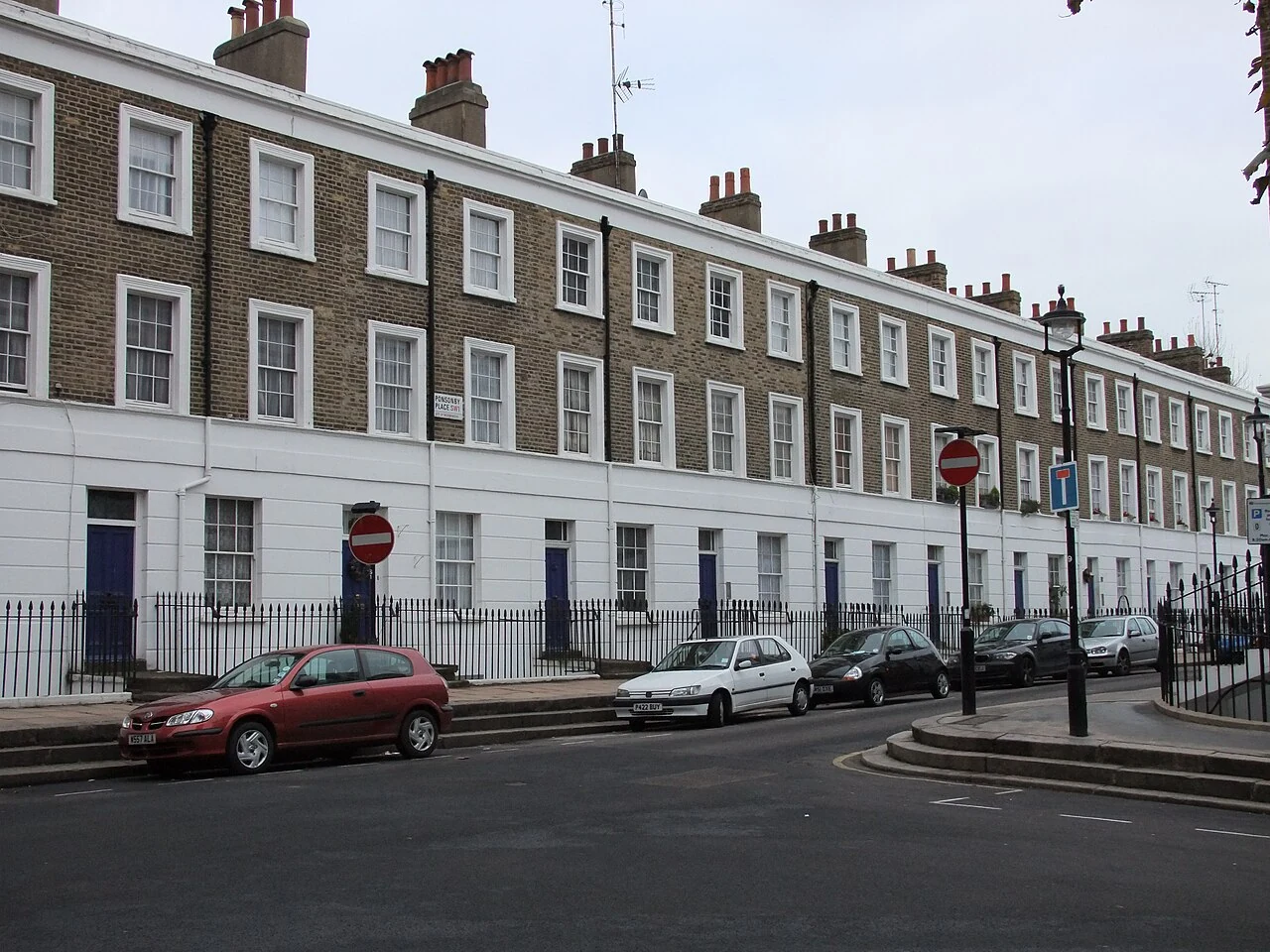
Property reference photograph; not a company job. Photo: PAUL FARMER · CC BY-SA 2.0 (resized WebP).
- Identify the affected position within the building
- Establish who controls relevant shared access
- Separate observed moisture from work awaiting permission
Put the flat into a defined building context
Westminster’s Cathedral conservation-area audit describes mansion blocks within that particular area. It does not represent every Westminster home, but illustrates why a flat can form part of a larger building with several access and maintenance contacts. The actual address, layout and management arrangement need to be established. Describe the affected wall in relation to the outside elevation, neighbouring dwelling or communal passage. A wide image can show its position inside the room. Identify the floor and any relevant room above without guessing pipe routes through the block; records or further access may be required to confirm those.
Local building context: Westminster Council: Westminster Cathedral conservation-area audit.
Prepare one clear account for the people involved
Keep the original photographs, development of the mark and previous repair descriptions together. The occupier may know when moisture appears, while the agent holds building records and a contractor knows what was repaired. Bringing those accounts together can prevent a fresh appointment from repeating questions already answered.
For an agent or landlord arranging an investigation, agree who will attend and who can authorise additional access. A booking should distinguish examination of the flat from opening communal fabric or entering another dwelling. That practical boundary matters even where everybody wants the same concern resolved.
Which question needs shared access?
A reported stain beneath another bathroom may warrant a different enquiry from growth on an external window wall. Explain the accessible evidence for the proposed connection. Further water-source investigation should specify which fitting, route or area needs examination rather than request entry to every flat. Where rain appears relevant, an external building enquiry may need suitable access to a particular detail. Internal evidence can guide that question but cannot confirm an inaccessible elevation. The findings should state that limit so a permission delay is not mistaken for proof that the proposed source has been ruled out.
Indoor conditions still belong in the account
A shared-building question does not remove the need to understand the affected room. Tell us about normal heating, extraction and window moisture, particularly if several surfaces respond during ordinary use. Reviewing condensation evidence can sit alongside investigation of a local defect.
The visit should explain which observations support each line of enquiry. A room reading does not establish every concealed route, and a previous leak does not explain all later growth automatically. Keeping the evidence separate allows the responsible parties to consider a room measure and a building repair without treating either as a universal answer.
Use the visit to define decisions and limitations
We discuss the history, examine accessible affected material and consider suitable checks within the agreed scope. Mention fixed cupboards or restricted service spaces beforehand. If something cannot be verified, the recommendation should identify the missing access or record and what obtaining it would answer.
Keep treatment and responsibility questions distinct
Mould treatment, a moisture repair and finish reinstatement may be different stages. Ask who is responsible for each practical action and how their timing relates. The inspection can inform that discussion, but it should not claim to settle every lease or ownership question from the room evidence.
A completed repair request is not the whole outcome
Compare the original surface after the agreed work and keep the relevant dates. If an external action improves one stain while growth remains around the window, report the separate result. A single building work order can be closed while another moisture question still needs attention.
The follow-up account should describe what changed rather than restart with only the phrase damp flat. Practical recurrence advice can support the findings where it is relevant, with arrangements that the occupier can actually maintain. Shared-building access questions should remain with the parties able to address them.
Nearby areas we cover
Questions about indoor and external moisture
Should the occupier attend an agent-booked visit?
Their account can be valuable even if another person arranges the appointment. Agree how normal-use observations and photographs will be supplied. The person attending should also know what access and permissions are available.
Can you inspect the dwelling above mine automatically?
No. Explain why it may be relevant and arrange permission through the responsible contact. Access to your flat does not establish access elsewhere. The agreed appointment should state which areas are included.
What is useful in a building repair record?
The location, date, intended defect and completed work help connect it with the current surface. A general invoice may provide less detail. Records support the chronology but do not establish the present concealed condition.
Can internal checks rule out an inaccessible outside defect?
They can inform the enquiry, but cannot confirm every external detail without appropriate evidence. The findings should state that limitation and explain which further access would help. Absence of access is not a negative test result.
Does an inspection decide lease responsibilities?
Its scope is the moisture evidence and agreed building observations. Lease, ownership or contractual interpretation needs appropriate separate advice. Practical recommendations can identify a contact or access question without claiming to resolve legal responsibility.
How should multiple repairs be followed up?
Tie each action and date to the original affected location, then describe the change there. Separate any remaining window or wall concern from the repaired patch. That prevents one completed task from obscuring an unresolved observation.
How can several contractors examine the same concern?
Give each the original room location, photographs and relevant work history. Ask that their description identifies the detail examined rather than merely the building name. This common reference helps relate a plumbing, external or treatment task to the actual surface.
What if further permission is still pending?
The initial finding should separate accessible observations from the unresolved question requiring permission. Keep the relevant contact informed. A delayed external or shared-space check should not be described as though that possible source has already been disproved.
Bring the room evidence and the building contacts together.
Tell us where the marks sit and which shared areas may need permission. Call about a Westminster inspection with the relevant access and repair history understood.