
WHEN THE ROOM SMELLS MUSTY NEAR THE FLOOR
Mould Inspection Barnes
A musty smell beside floorboards or a fitted cabinet does not identify what is happening below them. A Barnes inspection begins with the accessible room and the floor arrangement, then explains whether a concealed-space enquiry is justified and what permission it would need.
- Locate the odour without assuming a hidden infestation
- Identify the floor construction and available inspection points
- Separate room treatment from any subfloor investigation
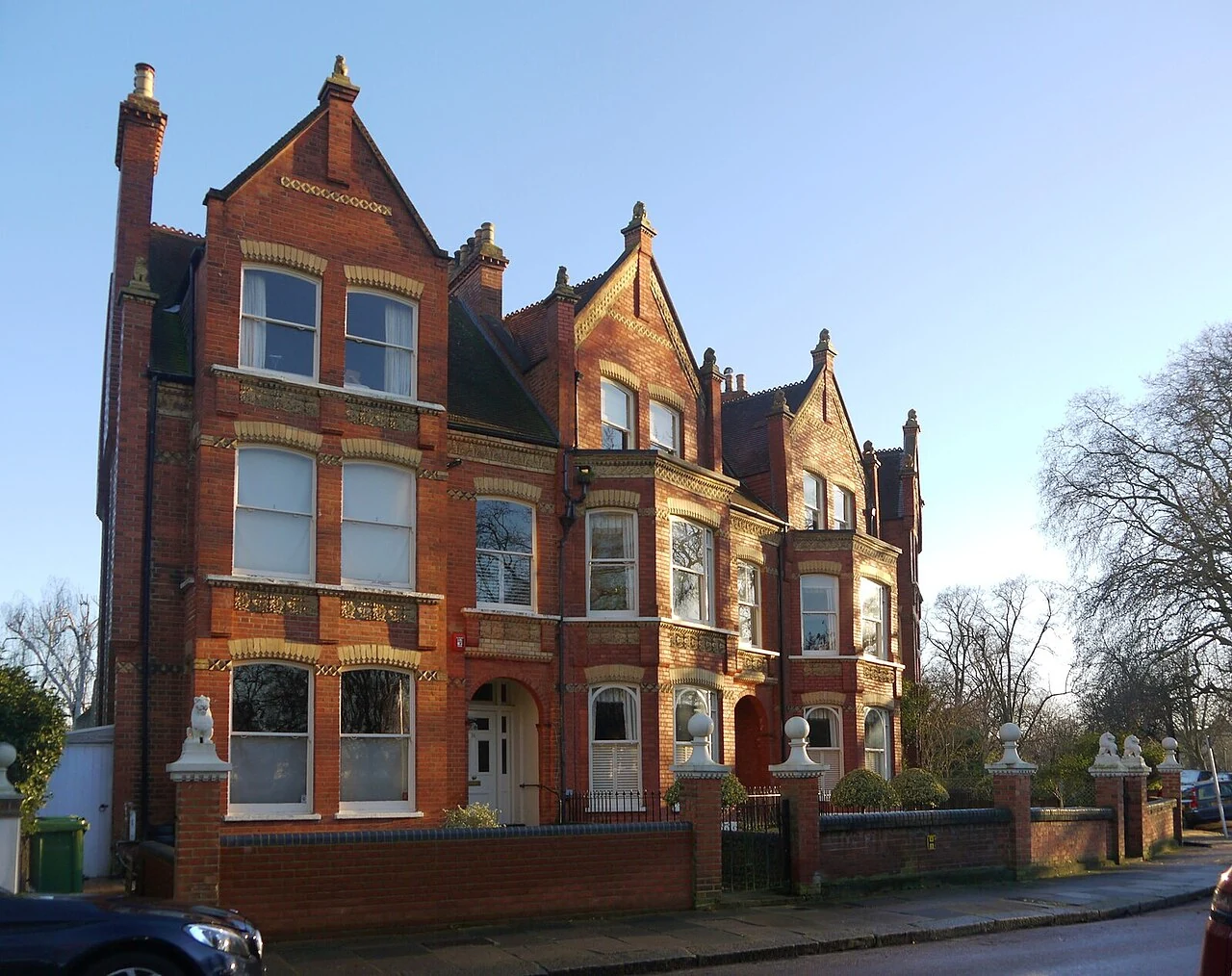
Property reference photograph; not a company job. Photo: Stefan Czapski · CC BY-SA 2.0 (resized WebP).
The floor arrangement comes before a diagnosis
Explain where boards, carpets or later solid finishes are present and where the smell is strongest. Mention any inspection hatch already available. A floor may have been altered in one part of the home while another remains unchanged, so a description of the whole house as timber-floored can obscure an important difference.
The Barnes Green appraisal records purpose-built two-storey London Flats as well as older houses and mansion blocks. For a floor-level concern in that designated area, first establish which dwelling and floor construction are actually involved. A terrace-like frontage does not prove one house owns the space beneath it, or that the floor is suspended timber. Identify existing access points and known alterations before authorising an opening, especially where another occupier or building contact controls the relevant space.
A known inspection hatch can be useful, but describe its size and location before attendance. Its presence does not mean the entire floor void is safely accessible or that entering it is appropriate for the booked room examination.
Local building context: Richmond Council: Barnes Green appraisal, houses and purpose-built London Flats.
Treat the smell as a location clue
Say whether the odour changes when the heating runs, after rain or when a cupboard is opened. Identify visible growth separately. Smell alone cannot confirm mould, its extent or a specific organism, and it should not become a reason to replace every floorboard without supporting evidence. Our accessible moisture examination can assess the reported room and help decide whether a concealed question remains. Include plumbing nearby and any previous water incident. A room-level concern may have a more direct explanation than a floor void, which should not be assumed to be the source simply because it is unseen.
External openings need to be understood, not sealed
If accessible external air bricks or other openings are present, note their position and any obvious covering. Do not block them to keep out a smell before their function has been established. Landscaping, added paving or an extension may have changed the surrounding arrangement, but that needs examination rather than assumption.
For a low-level wall or floor concern, a damp-focused assessment can consider those details alongside the interior finish. We cannot infer a complete ventilation path from seeing one opening. A further contractor’s check may be needed where the continuity of an inaccessible space matters to the findings.
Check for a water route close to the floor
A washing machine, radiator connection or concealed pipe may be relevant if wetting persists. Describe when the smell appeared and whether any appliance or repair preceded it. The absence of a visible puddle does not establish that every concealed connection is sound.
A hidden-source investigation can be discussed where the accessible evidence supports that question. The property’s location does not automatically explain the moisture: we do not label a Barnes floor concern as flood-related without evidence of the actual event or route.
Agree concealed access before choosing treatment
An ordinary inspection concerns the accessible areas agreed at booking. Lifting boards, entering a void or disturbing fitted finishes requires separate scope, consent and preparation. Explain tenancy or ownership restrictions and whether somebody can authorise those steps if they become necessary.
Before opening, ask what will be examined and how the result changes the next action. The answer might concern a pipe, timber condition or ventilation route, each requiring a different approach. Making good and any limitation on visibility should be clear, so an invasive step does not leave an owner with damage and the original uncertainty.
Visible growth on a sound wall finish can be discussed through mould treatment. A suspected timber or concealed-floor issue may require a different specialist assessment. Cleaning the room should not be described as certifying a void that nobody has examined.
Following an agreed repair or investigation, keep a record of the original odour location and visible marks. Include the work date and any finding below the floor. Replacing a scented product or airing the room briefly is not a meaningful test of whether an identified water route has been addressed; compare ordinary use over the agreed follow-up period.
Nearby areas we cover
Questions before checking the property
Does a musty floor smell prove hidden mould?
It provides an observation to investigate, not a confirmed identification or extent. Visible surfaces, room history and possible water routes should be considered first. If the concealed space remains relevant, an agreed examination may be needed rather than an estimate based solely on odour.
Can you automatically lift boards during the visit?
Board lifting is not implied by a standard room appointment. Tell us about existing access points when booking. Any additional opening needs consent, suitable preparation and an explanation of what it will establish, with responsibility for reinstating the finish understood.
Should I cover an air brick to stop the smell?
Do not change an opening’s function before the floor and ventilation arrangement are understood. The smell may have another route, and blocking a necessary opening can alter conditions elsewhere. Record what is visible and discuss an appropriate inspection rather than experiment with permanent coverings.
Will treating the skirting also treat the space below it?
Treatment at the accessible surface does not establish the condition of an unseen void. The skirting, wall and concealed floor can involve different materials and scopes. Ask which area a proposed service actually addresses and which question still requires separate access.
Does a previous water incident matter if it was years ago?
Bring any known incident and subsequent repairs into the chronology. Historic wetting can explain earlier work, but it does not prove the present source is the same. The current accessible evidence should determine whether an old route or a new one deserves further examination.
Can a solid replacement floor sit beside an older suspended one?
Explain any known change in construction within the home. Different floor arrangements can require different questions about moisture and access. An inspection should not assume that observations in one room describe an adjoining concealed space built or altered differently.
Do you identify timber decay from the room visit?
A room-level mould enquiry is not automatically a timber-condition survey. Report visible concerns, but concealed timber may require suitable access and specialist assessment. Any further recommendation should distinguish the suspected material problem from treatment of accessible wall growth.
Locate the smell and describe the floor.
Tell us about visible marks, plumbing nearby and any existing access hatch. Call to discuss a Barnes room inspection before commissioning disruptive work beneath the finish.