
A MUSTY ROOM WITHOUT AN OBVIOUS PATCH
Mould Inspection Paddington
A smell that returns in a Paddington flat can be difficult to locate, especially when the wall looks clean. Start with where it is strongest, when it appears and which cupboards or finishes conceal the surrounding building. An inspection can consider accessible moisture evidence without promising to identify every odour or open every hidden space.
- Locate the smell before assuming visible mould is present
- Explain the flat layout and concealed areas near it
- Separate a moisture enquiry from drainage or other odour causes
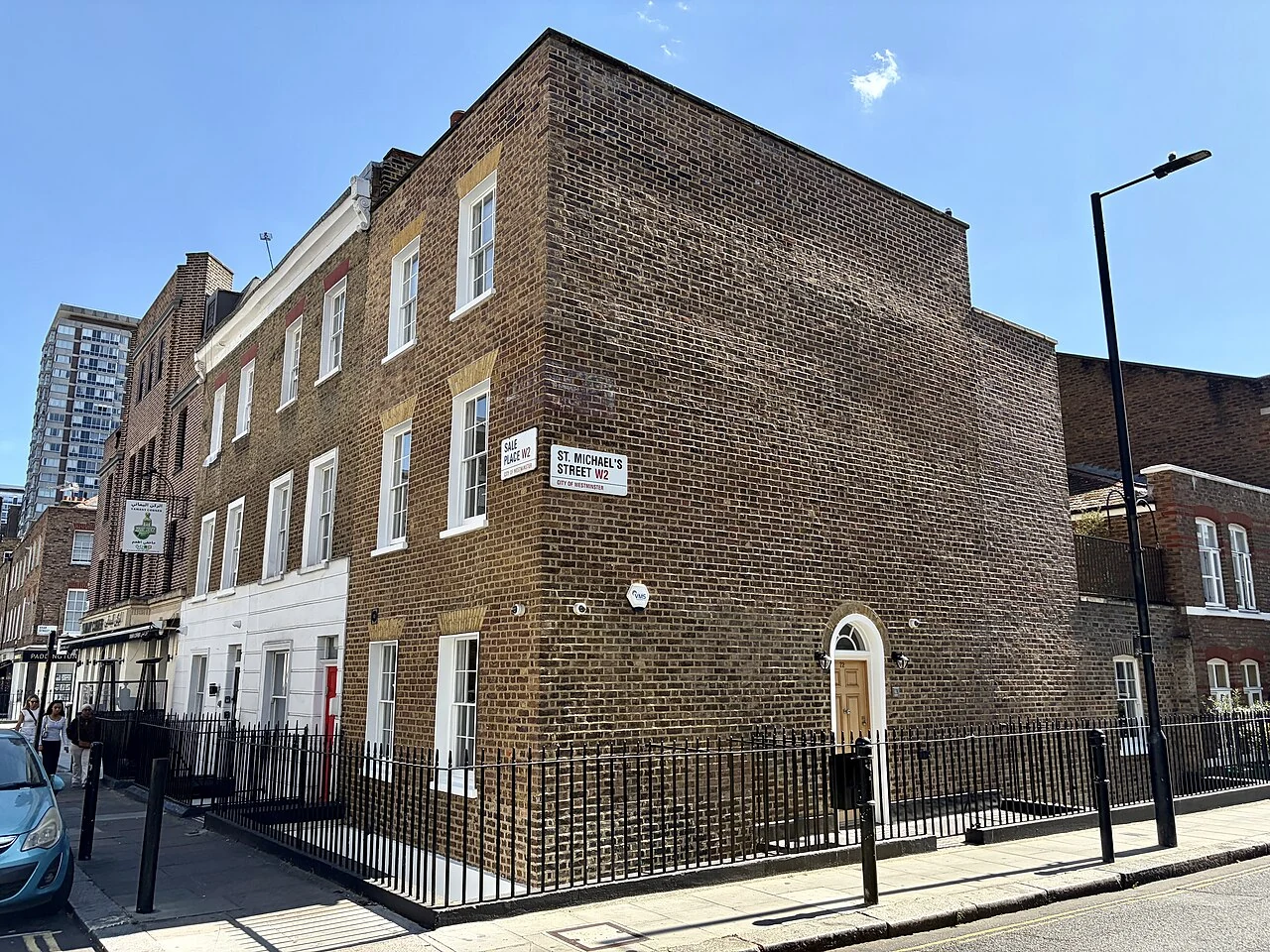
Property reference photograph; not a company job. Photo: No Swan So Fine · CC BY-SA 4.0 (resized WebP).
Where does the smell become noticeable?
Describe a position rather than the whole flat: the entrance to a cupboard, the edge of a floor covering or one end of a room. Note whether it is noticeable on arriving home, after heating starts or following the use of a nearby bathroom. That account may help decide what the first visit can usefully examine. A musty odour does not prove a particular mould species, concealed leak or dangerous concentration. Cleaning-product scents, drainage and other materials can also complicate the account. Avoid masking the location with air fresheners immediately before the visit if possible, but do not stop necessary cleaning or invent tests to make the smell stronger.
Look for evidence that can accompany the odour
Check what is visible from normal accessible positions. Peeling wallpaper, a changed floor edge or an old water stain can be relevant even where there is no obvious growth. Describe damp-feeling belongings or a cupboard that consistently smells different from the room. These observations help distinguish the original concern from a general request to disinfect the property.
For possible hidden moisture, explain any nearby water fittings and previous leak. An odour alone cannot establish a concealed pipe route. Where evidence points instead towards drainage or another non-mould source, a different specialist enquiry may be needed; the inspection should acknowledge that limit.
Connect the Paddington appointment with the flat arrangement
Westminster’s Bayswater conservation guide records larger houses converted into flats and mansion blocks within its defined area, which includes the Sussex Gardens and Westbourne Terrace context. For a Paddington flat in such a building, establish the present cupboard and wet-room layout rather than infer hidden routes from the original house form. A musty position beside a later lining may need conversion or repair records. The guide explains local property variety; it does not identify an odour source in your dwelling.
Explain whether the affected cupboard backs onto another room, a shared corridor or another dwelling. We do not infer a conversion history or pipe arrangement from the neighbourhood name. The flat moisture enquiry can consider the actual layout and identify which shared or concealed areas fall outside the accessible appointment.
Local building context: Westminster Council: Bayswater conservation guide and residential conversions.
Opening a finish should answer a particular question
A floor covering or fitted cupboard can conceal a source, but opening it should have a reason based on the accessible evidence. Ask what the proposed access would establish and whether permission is required. A speculative strip-out can create repair costs while leaving the original smell unresolved. Bring any information about earlier leaks, flooring replacement or boxing-in work. Dates can show whether the odour preceded the alteration or appeared afterwards. When another dwelling or communal service is involved, the managing agent may need to coordinate the next step. We should explain that relationship rather than suggest that everything can be investigated from inside your room.
What the visit can establish and what access may follow
The agreed inspection reviews the history and accessible surfaces, with appropriate checks where they can help. An examination of the moisture problem can compare a suspect location with surrounding areas and consider indoor conditions.
Tell us about restricted cupboards, immovable units and spaces you cannot enter. If the accessible evidence cannot settle the cause, ask which location needs further access and what that check would establish. The findings should separate observed dampness from a concealed possibility.
Do not commission treatment for an unidentified target
Mould treatment needs an affected surface or material and a suitable scope. A promise to remove a smell without establishing what is being treated can confuse cleaning with investigation. If growth or water damage is identified, the source and material condition should inform the proposed work.
For follow-up, note whether the original location improves after the identified action. If the smell remains but the damp evidence changes, report both facts. Further damp assessment or a drainage specialist may be appropriate depending on the evidence. A general improvement in the scent of the room does not demonstrate that a concealed moisture problem has been repaired.
Questions about the signs you are seeing
Can I book if there is a smell but no visible mould?
Describe the concern before booking so the visit can be scoped honestly. Accessible moisture checks may be useful, but not every odour has a mould source. We cannot promise to locate a concealed cause from the smell alone.
Should the carpet be lifted in advance?
Explain the floor covering, the strongest odour location and any prior water damage first. Opening a finish needs a purpose and permission, with responsibility for reinstatement understood. Do not assume that dismantling is required for the initial accessible inspection.
Can a cupboard smell different from the bedroom?
Yes, its enclosure and contents may differ from the open room. That difference gives the enquiry a location to examine. It does not by itself establish whether the source is a damp wall, affected belongings or something unrelated to mould.
What if the smell seems to come from the shared corridor?
Tell the managing agent and explain that relationship when calling. Access to communal or neighbouring areas must be arranged separately where needed. An inspection confined to your flat may not be able to confirm a source outside it.
Is an air freshener improvement evidence that the problem is gone?
It changes what you notice, rather than proving a moisture source has been removed. Follow-up should compare the original location and any damp evidence after an identified action. Report a persistent smell separately if building surfaces have otherwise improved.
Nearby areas we cover
Where is the smell strongest?
Describe its location, the flat layout and any previous water incident. Call to discuss whether a Paddington moisture inspection is the useful next step and what access it would need.