
THE BAY IS PART OF THE BEDROOM
Mould Inspection Muswell Hill
A bay window creates several surfaces within one small corner of a room. Mould at its sides, beneath the sill or behind a fitted seat may have different clues. A Muswell Hill inspection looks at that geometry together with the bedroom, rather than treat every mark as a fault in the glass.
- Describe which face of the bay is affected
- Include curtains, seating and nearby heating
- Compare overnight wetting with persistent wall moisture
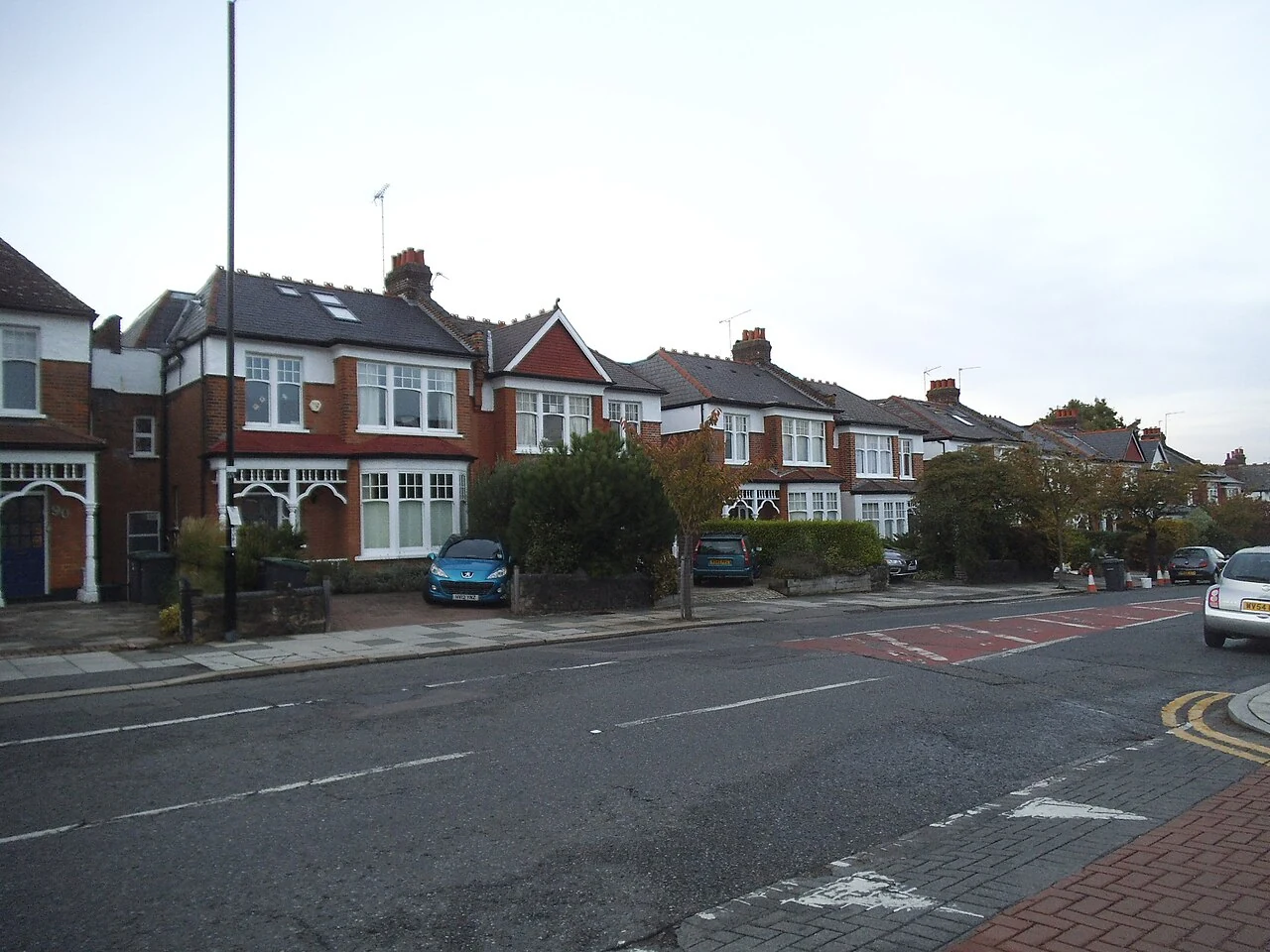
Property reference photograph; not a company job. Photo: David Howard · CC BY-SA 2.0 (resized WebP).
Show the shape of the bay, not just the black corner
A photograph from inside the room should show the whole opening and its relation to the radiator, bed or fitted seat. Indicate the affected side on a sketch if several similar windows exist. A close-up alone can hide the distinction between a side reveal, a lower panel and a mark extending onto the main bedroom wall.
Haringey’s Muswell Hill appraisal records linked house groups with repeated bay forms, including canted bays and variations in the roof above them. If your affected bedroom has that detail, distinguish the side faces, lower panel and bay roof connection when describing the marks. A photograph showing the whole recess is more useful than one dark corner alone. Include a fitted seat or curtain arrangement so accessible surface checks can be related to the actual geometry, not a presumed standard window.
Local building context: Haringey: Muswell Hill appraisal, canted bays and varied roof details.
Read the bay surfaces with the room around them
Say where wetting first appears: on a pane, a sill edge, the wall below or a return at the side. Note whether the different positions dry at the same time. A bay presents more than one surface orientation, so a single reading or a general statement that the window is wet may lose useful detail.
Our checks of window-adjacent mould consider those positions in the room context. Surface checks can guide a reasoned recommendation, while concealed insulation or junction details may remain unknown. The visible outline should not be presented as proof of what was installed behind the finish.
A curtain drawn across the bay can separate the recess from much of the bedroom air. A fitted seat or stored items can also obscure lower surfaces. Explain ordinary use and what can be safely accessed; do not dismantle a fixed seat merely to prepare for a visit.
If the bedroom regularly shows morning condensation, an assessment of room ventilation may help interpret it. Heating position and background airflow are relevant observations, but they should not become an automatic instruction to replace a radiator or remove curtains before the evidence is considered.
Do not overlook an external detail
Rain-related change on one side of the bay deserves a separate account from overnight glass moisture. Include an earlier repair to a sill, roof covering or wall joint if known. A clean pane does not exclude water entering elsewhere in the surrounding construction.
Discuss external water checks where that history is relevant. Suitable access to a projecting feature may need another arrangement. We distinguish what is visible during the room appointment from any roof-level detail which cannot be confirmed from inside.
Make the inspection useful for a proposed repair
Tell us about an existing quotation for window or insulation work. A recommendation should connect the proposed action to a finding, not rely on the bay’s age or appearance. We examine accessible booked surfaces and consider appropriate comparisons around the recess and adjacent wall. Where further opening is suggested, ask which uncertain detail it would reveal and how it would influence the specification. Planning constraints, ownership consent and making good remain practical parts of the next step. An inspection cannot approve every possible alteration to a frontage merely because the room contains mould.
Monitor the same face after treatment
Mould removal addresses an affected accessible surface within its agreed scope. Any continuing water or ventilation question needs its own response. The sequence should recognise damaged materials and unresolved construction issues rather than promise a result from a cleaning product alone.
Take follow-up photographs from the original viewpoint, especially after a typical occupied night or relevant rainfall. Identify whether the same face changes or a different part of the recess is now affected. That comparison can show what an agreed measure achieved and what still needs examination without reducing the whole bay to one pass-or-fail snapshot.
Nearby areas we cover
Questions before checking the property
Why might only one side of the bay show growth?
Its surface and immediate surroundings may differ from the other faces. Furniture, coverings, exposure and an external detail are possible considerations. The asymmetry helps locate the enquiry, but it does not identify a single cause without examining the relevant evidence.
Can you check behind a fitted window seat?
Describe the seat and any existing removable access panel when booking. Checks depend on safe agreed access. Dismantling fixed joinery or opening building fabric is a separate step which needs consent and a diagnostic purpose, rather than an automatic part of the appointment.
Does replacing the glass resolve mould below the sill?
The lower surface may involve a different material or moisture route from the pane. A proposed glazing change should follow findings about the relevant component. Growth beneath the sill alone does not establish that the glass is the part requiring replacement.
Is thermal imaging enough to confirm a bay defect?
A thermal view can provide surface-pattern evidence under suitable conditions. It does not see every concealed layer or independently prove a leak. Any use should be interpreted with room conditions and other checks, with limitations explained before drawing a repair conclusion.
Should I remove curtains permanently?
Explain their normal position and any damp lining, so their role can be considered. A permanent change should be proportionate to the findings and suit the room. The presence of a curtain does not justify overlooking a reported rainfall-related or persistent building moisture concern.
Point out the affected face of the bay.
Tell us what becomes wet, what sits in the recess and whether the pattern follows sleep, weather or both. Call to discuss a Muswell Hill appointment centred on that part of the room.