
ONE COLD CORNER IN AN OTHERWISE CLEAR ROOM
Mould Inspection Leytonstone
A recurring triangle of mould above a doorway or beside a stair-room wall can be easy to dismiss as a small spot. For a Leytonstone inspection, describe that exact corner and the spaces around it. A narrow pattern may help focus the enquiry, but its shape cannot establish the source on its own.
- Place the corner within the room, stairs and outside wall
- Explain door positions and heating in adjoining spaces
- Keep a local construction detail separate from general humidity
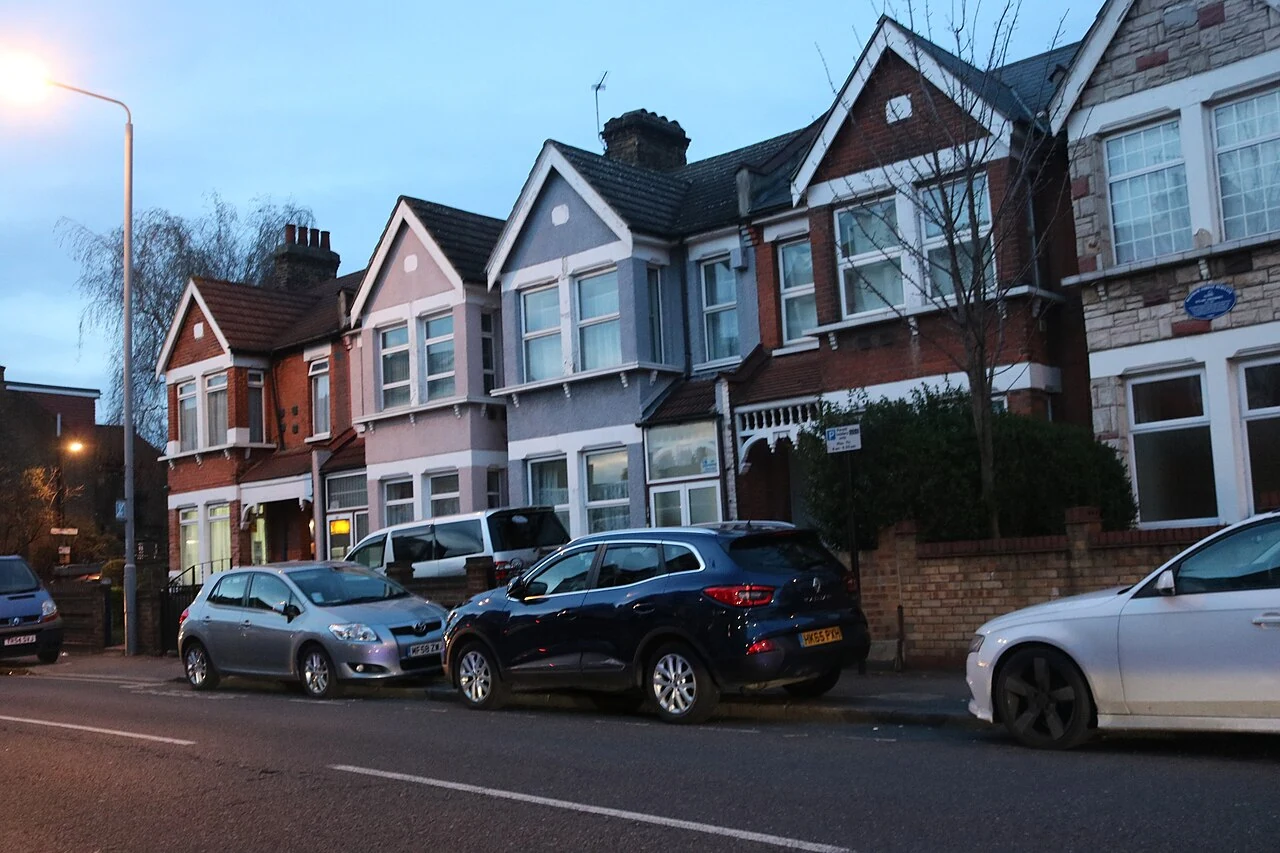
Property reference photograph; not a company job. Photo: David Howard · CC BY-SA 2.0 (resized WebP).
Put the corner into the layout
Show the doorway, ceiling junction or stairs around the affected position. A close-up can record growth, but a wider view helps explain why this particular surface warrants attention. Tell us what is on the other side of the wall and whether an adjoining space is normally heated, enclosed or open to the room.
Do not assume that a clear wall elsewhere rules out a moisture problem. A local surface may respond differently from the middle of the room. Equally, the concentration of marks at a junction could relate to a defect or previous repair. The useful starting point is the physical relationship, not a diagnosis based on the corner’s outline.
Door habits can describe the setting without assigning blame
Explain whether the room opens onto a stairwell, passage or cooler enclosed space. Doors left open or closed can influence the environment, but their position is only one part of the account. Include any change in heating, room use or ventilation since the marks first appeared. Our enquiry into condensation conditions can compare those observations with the affected surface. Advice should be workable for the household and should not prevent the investigation of a reported building fault. A small patch is still worth understanding if it repeatedly returns after cleaning or extends into the adjoining space.
What the junction can and cannot reveal
A difference in surface conditions at a wall or ceiling detail may influence where moisture appears. Appropriate checks can help describe the accessible pattern, but an image or single reading does not confirm what insulation or material lies behind the finish. Concealed construction sometimes needs a more specific examination.
The assessment of local damp evidence should consider rainfall history, nearby pipe routes and previous damage as appropriate. Tell us if the same corner becomes darker after wet weather or stays damp when the room is unused. Those details keep a possible external or internal water source in the enquiry.
Keep the Leytonstone report tied to the same junction
Waltham Forest’s Leytonstone appraisal describes a variety of house forms, from cottages to detached villas, within its defined conservation context. An isolated stair or doorway corner therefore needs the actual plan described rather than one assumed house arrangement. Show whether that junction adjoins the outside, another dwelling or an enclosed passage, and identify later partitions if known. The local variety supports this layout-first question without establishing concealed construction or claiming that every Leytonstone corner is a condensation problem.
For an owned property, bring any information about an altered doorway, ceiling repair or changed room use. We do not assume a particular house age or stair layout from the Leytonstone address. The inspection should be based on the actual relationship of the rooms and accessible construction.
Local building context: Waltham Forest Council: Leytonstone conservation appraisal and house-form variety.
Arrange a comparison that can be carried out safely
At the visit we discuss the chronology and examine the accessible corner and relevant surrounding surfaces. Mention a high stair position or difficult ceiling edge before booking; safe access needs planning. The scope should not assume that a technician can reach every junction without suitable equipment or another arrangement. Where a further check is suggested, ask what uncertainty it would resolve. Thermal observations, material checks or access beyond a lining can have different limitations. A recommendation should identify the question rather than promise that a quick look will establish every concealed detail of the building.
Track the corner after the targeted action
Treatment of the returning growth and the identified moisture measures should relate to that particular location. A local repair may be needed, or room conditions may warrant change; the findings determine the route. Cleaning the whole room does not replace understanding why one junction remains affected.
Keep the same wide view for follow-up and note changes in adjoining-space use. Recurrence advice can then be assessed against the original corner rather than a different surface. If the marks move or expand, describe the new boundary so a review considers what changed instead of repeating the earlier assumption.
Questions about the signs you are seeing
Does a triangle of mould prove a cold bridge?
The shape can direct attention to a junction, but it cannot establish the concealed construction. Surface conditions, room moisture and other water sources may need consideration. A conclusion should distinguish what was observed from what would require further investigation.
Why mention the stairwell if the mould is in a bedroom?
An adjoining space may affect the room setting or form part of the same building detail. Describe how it connects and is used. That relationship is useful context, rather than evidence that the stairwell necessarily caused the mould.
Can a high corner be inspected during an ordinary visit?
Explain the height and access before booking. Safe examination may need a particular arrangement, especially above stairs. The appointment scope should acknowledge any surface that cannot be reached rather than imply unrestricted access.
Would a thermal image show what is behind the wall?
A thermal observation describes surface temperature patterns under the conditions at the time. It does not directly reveal every concealed material or prove a leak. It needs interpretation alongside the building detail and other accessible evidence.
What if the patch moves after a repair?
Record the new position relative to the original junction and note the repair date. Movement or extension can change the enquiry. A follow-up should examine the revised pattern rather than assume the same explanation still accounts for it.
Nearby areas we cover
Which corner keeps returning?
Tell us about the doorway, stairs or outside wall beside the patch and whether access is difficult. We can discuss a Leytonstone visit focused on that specific junction.