
THE MARK RETURNS ABOVE THE SHOWER
Mould Inspection Dagenham
A shower ceiling that repeatedly develops dark growth needs more than a choice of cleaning product. In a Dagenham property, tell us how the ceiling looks after bathing and whether one patch changes independently of the steam. The inspection should consider extraction, the finish and any water route above the room.
- Describe the ceiling during and after ordinary shower use
- Keep a single expanding stain separate from wider spotting
- Bring previous ceiling repairs and fan changes into the enquiry
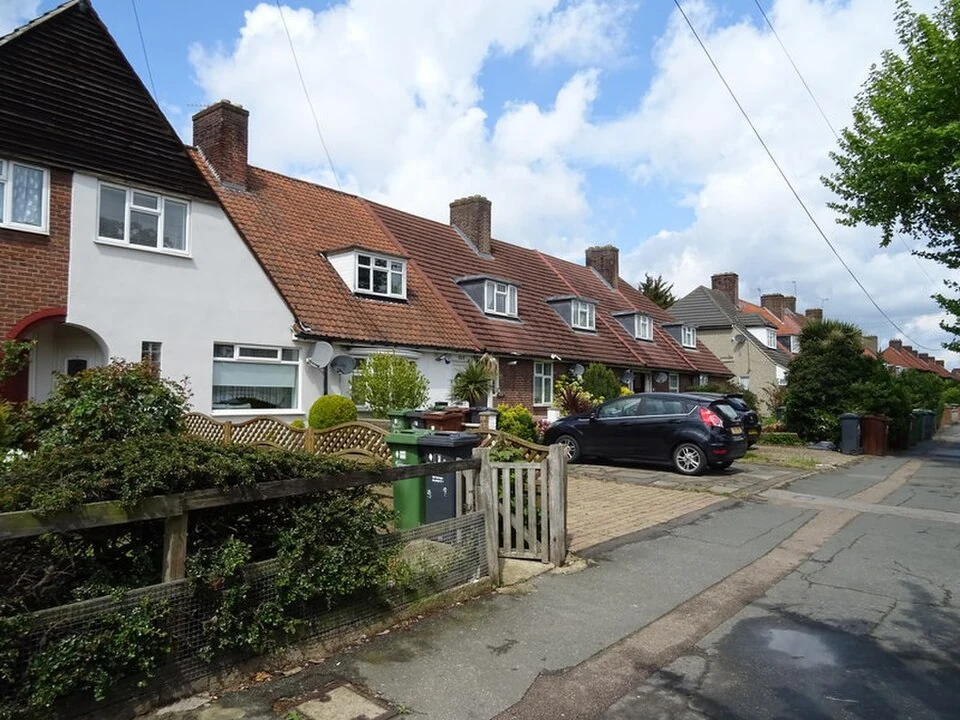
Property reference photograph; not a company job. Photo: JThomas · CC BY-SA 2.0 (resized WebP).
Is the ceiling spotted broadly or affected in one place?
Explain whether the marks spread across the shower area, cluster at a junction or form one stain with a changing edge. A wide photograph of the bathroom ceiling helps locate the pattern relative to the shower, window and extractor. Include peeling or soft material as a separate observation from the colour.
Do not assume that the darkest area has the same cause as every surrounding spot. Local water entry and room moisture can influence different parts of the ceiling. Tell us if the growth extends beyond the shower enclosure or into an adjoining room, because the useful scope may be broader than the first close-up suggests.
Watch what the room does after bathing
Describe whether the room clears, whether droplets remain on the ceiling and how the extractor is operated. A fan switching on with the light does not establish the performance of the whole installation. Existing instructions or information about a recent change can help explain what the system is meant to do. The bathroom mould enquiry considers the affected surfaces in the context of water use and ventilation. Practical observations should come from normal bathing, not a deliberately prolonged shower. There is no need to create extreme steam or alter the household routine to supply evidence for the visit.
What sits above that ceiling?
Tell us whether there is another bathroom, a roof void or another dwelling above the affected patch. Include known pipe repairs and any change after rainfall. That relationship can justify further enquiry, but it does not prove a concealed leak from the stain’s position alone.
Our checks for possible hidden water routes may require access outside the bathroom. A roof-space visit or opening of a ceiling needs a safe and authorised arrangement. If water is actively escaping or the material is damaged, describe it before booking so the enquiry is not mistaken for routine cosmetic spotting.
A Dagenham repair account should describe both observations
The council’s draft Becontree design code distinguishes groups of house types rather than presenting the estate as one uniform dwelling. For a Dagenham bathroom in that setting, identify what actually sits above the shower ceiling: a roof space, another room or a later alteration. That relationship can change the access and source question. The local design record does not establish a ceiling defect or the cause of mould; the present room layout and reliable repair history still need examination.
Local building context: Barking and Dagenham Council: draft Becontree design code, house-type groups.
Inspect the finish before specifying the treatment
We examine accessible surfaces, discuss the chronology and consider suitable checks in the agreed area. A sound painted surface and weakened ceiling material may need different decisions. Treatment of dark growth should not be presented as a diagnosis of its source or a repair to damaged fabric.
If further work is recommended, ask what it answers and how it connects with treatment. An extraction service, plumbing enquiry and ceiling reinstatement are different actions. Their sequence matters where a finish may still be exposed to moisture, and the proposed scope should make responsibility for each stage understandable.
Judge improvement at the same ceiling position
After the relevant action, compare the original pattern under ordinary bathroom use. Keep the equipment operating as instructed and record whether the local stain changes independently of general steam. Advice for reducing recurrence should relate to the bathroom findings rather than a promise that one paint product will keep the room clear.
If treatment removes visible spotting but the material deteriorates, report that change separately. If a fan repair improves drying while one patch remains damp, keep the local source question open. The practical outcome should be a clearer next decision, not another cycle of scrubbing the same shower ceiling without knowing what remains unresolved.
Questions about the signs you are seeing
Does growth above a shower always mean poor extraction?
Extraction is relevant, but a local water route or material issue may also need examination. Describe the pattern and what happens after normal bathing. A conclusion should account for the ceiling evidence rather than assume the location establishes one cause.
Why distinguish a stain from scattered dark spots?
They may describe different effects or parts of the same concern. A stain with a changing edge can guide a local enquiry, while broader spotting brings room conditions into view. Neither appearance alone identifies the moisture source.
Should I repaint the shower ceiling first?
Keep the original position and any material change documented before further decoration. A coating can obscure evidence without resolving the moisture question. Treatment and reinstatement should follow the findings and condition of the finish.
Can a roof void be included in the appointment?
Mention its relevance and access when booking. Entry must be safe and within the agreed scope, with suitable permission. Examination of a concealed source may need a different arrangement from checking bathroom surfaces.
What if the ceiling is dry when you arrive?
The history remains useful, particularly photographs and observations after ordinary use or wet weather. Intermittent moisture may not be present at that moment. The findings should state any limits rather than treat a dry visit as proof that the earlier concern was unfounded.
Tell us how the ceiling changes.
Describe the shower-area pattern, any isolated stain and what lies above it. Call about a Dagenham inspection focused on the bathroom evidence before another round of repainting.