
THE CUPBOARD BACK IS DARK. THE KITCHEN LOOKS DRY.
Mould Inspection Barking
A dry kitchen floor does not settle a damp concern behind the sink unit. If growth, swelling or a smell keeps returning inside a cupboard in Barking, describe the rear panel, nearby connections and when the change occurs. An inspection can help separate accessible building evidence from appliance or plumbing work needing another scope.
- Locate the change inside the unit and against the building wall
- Keep sink-use observations separate from room condensation
- Discuss safe access before removing panels or appliances
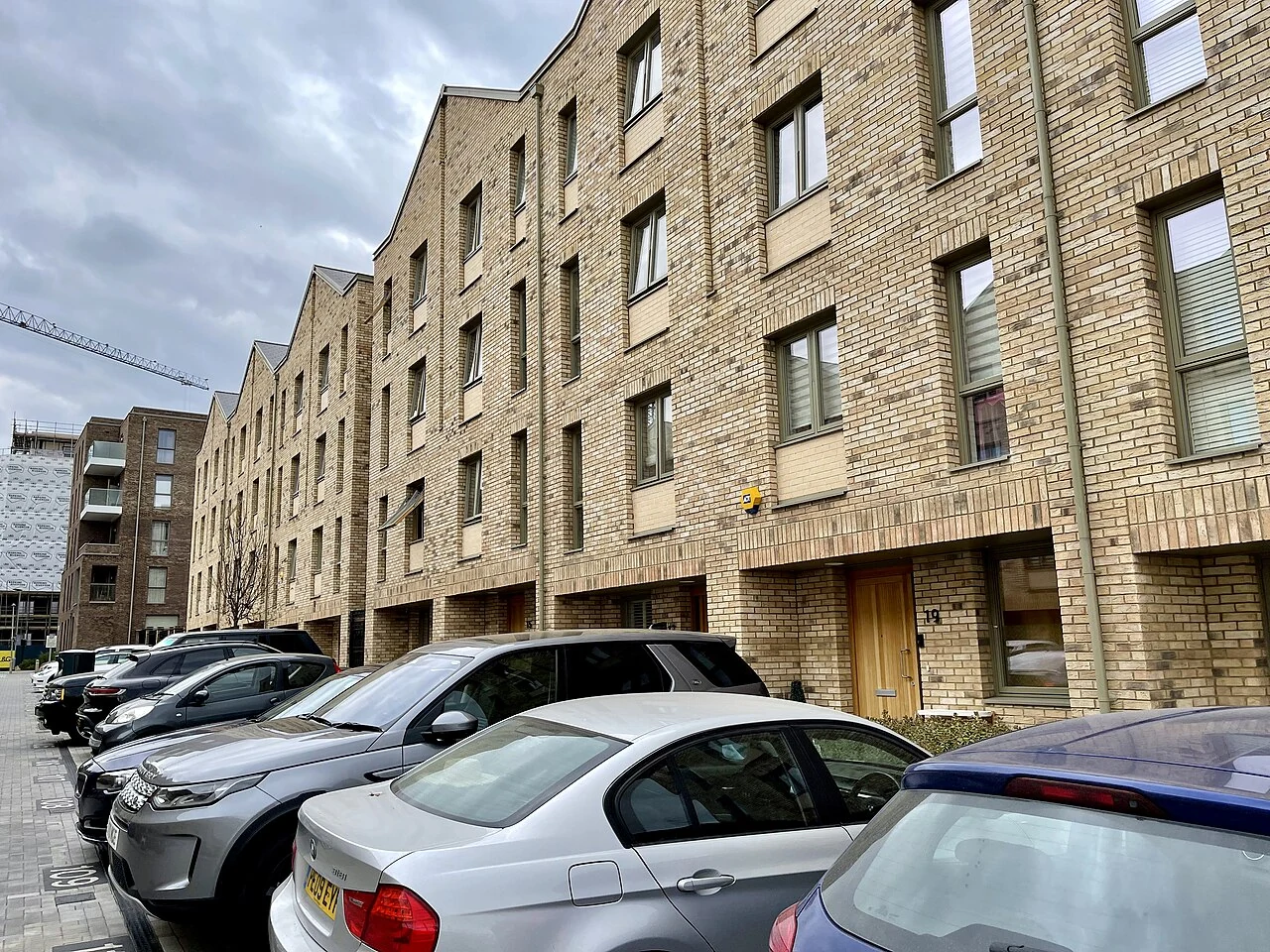
Property reference photograph; not a company job. Photo: TheFrog001 · CC0 (resized WebP).
Which material has actually changed?
Describe the cabinet back, shelf, door and wall separately. A swollen board is not the same observation as spotting on plaster, even when both occupy the same cupboard. Tell us whether stored items also feel damp or carry a smell. That helps establish the proposed treatment area and the access question.
A photograph showing the sink, cupboard and affected rear corner can provide context. Do not remove a fixed back panel to create a better picture. If the wall is hidden, explain that limit when calling; the appointment should not promise an examination of a surface that cannot presently be seen.
The sink history can guide a focused enquiry
Note whether the change follows washing-up, appliance discharge or a known plumbing repair. A slow water escape may be concealed without leaving a puddle on the open floor. Equally, a cupboard can have different surface conditions from the room. The appearance does not identify which explanation applies. Investigation of a suspected water source may be appropriate where accessible connections or the history suggest a leak. Opening units, testing an appliance or tracing a concealed pipe needs an agreed scope. Do not repeatedly run water to reproduce the concern or disconnect fittings in preparation for a mould appointment.
Include the wall beyond the cupboard
The unit can hide the building detail that matters. Tell us whether it stands against an outside wall, beside a bathroom or near a previously repaired pipe route. An affected board does not reveal the condition of the wall behind it. A further enquiry into local wall damp may be needed if that evidence remains inaccessible.
Where condensation is plausible, the enclosed arrangement and kitchen extraction can also warrant attention. Our kitchen moisture assessment considers the room setting alongside the position of the concern. It should not treat all cupboard mould as a sink leak or assume that a functioning cooker hood answers a concealed wall problem.
Keep the Barking repair route informed
Barking and Dagenham’s monitoring report records flat development around Abbey Road, providing one specific local apartment context alongside other property forms. In a Barking flat with a concealed kitchen concern, establish who controls the relevant unit, wall and service access; the apartment setting may require coordination beyond simply pulling out a cupboard. This does not imply a defect in any named development. The affected cabinet and actual plumbing arrangement remain the evidence needed for the next enquiry.
Agree who can authorise removal of a panel or appliance and who handles reinstatement if a further check is proposed. The occupier, landlord, plumber and kitchen contractor may have different parts to play. A mould appointment should clarify its own contribution rather than imply that all cabinet and plumbing work is included.
Local building context: Barking and Dagenham Council: monitoring report and Abbey Road flat development.
Use the first visit to identify a sensible next step
We discuss the sequence of changes, look at accessible affected surfaces and consider appropriate checks within scope. Bring previous leak or cabinet repair information if available. If only the front of the unit is accessible, the findings should say which source questions cannot yet be confirmed.
Ask what further work would establish before approving it. A targeted opening to examine a specific wall or connection has a different purpose from dismantling the kitchen without a clear enquiry. The next recommendation may involve a plumber, further material inspection or treatment of confirmed affected surfaces.
After repair or treatment, monitor the original cabinet position and the relevant sink-use observation. Fresh shelf lining or a replaced panel can conceal a change without establishing that the water route has stopped. Keep the repair history available and report renewed swelling separately from any remaining room-wide condensation.
Questions about the signs you are seeing
Can a kitchen leak exist without water on the floor?
A concealed or small escape can affect local material without reaching the visible floor. The absence of a puddle does not confirm a leak is absent, but cupboard growth does not prove one either. Accessible evidence and fitting history need consideration.
Should I take the cupboard back out before booking?
Explain the obstruction and affected position first. Removing a fixed panel needs a reason, permission and a making-good plan. An accessible inspection can identify whether further access is worthwhile without assuming that dismantling is included.
Does a swollen shelf need the same treatment as the wall?
The materials and condition differ, so they need separate decisions. Describe each affected component. Treatment of visible growth does not necessarily restore a damaged board, and replacement does not address an unresolved moisture source.
What plumbing information is useful?
Mention recent sink, waste or appliance work, any earlier escape and when the change occurs. Photographs of accessible connections may help. Do not disconnect fittings or deliberately recreate a suspected leak to supply more evidence.
Can the kitchen and bathroom be considered together?
Yes, where their fittings or walls relate to the affected position. Mention that layout when booking. The agreed scope and access need to cover the relevant rooms; concealed pipe tracing may still require a separate arrangement.
How do I know what was resolved after a panel replacement?
Compare the original location and related water-use observations, and keep the repair description. A new panel hides the old material, so its appearance alone does not demonstrate source control. Report any renewed swelling or dampness promptly to the responsible party.
Nearby areas we cover
What is happening behind the sink unit?
Describe the affected panel or wall, nearby fittings and any earlier kitchen repair. Call to discuss a Barking inspection and the access needed before further dismantling.