
REPAIR, DRYING AND REDECORATION NEED A SEQUENCE
Mould Inspection Romford
If the same mould returns after repairs, the missing step may be an unresolved source or a finish closed before the affected materials were ready. A Romford inspection can review the sequence of work and current moisture evidence before another layer is applied.
- Review what was repaired before the room was redecorated
- Look for remaining wet materials and a continuing source
- Give the next contractor a clear unresolved question
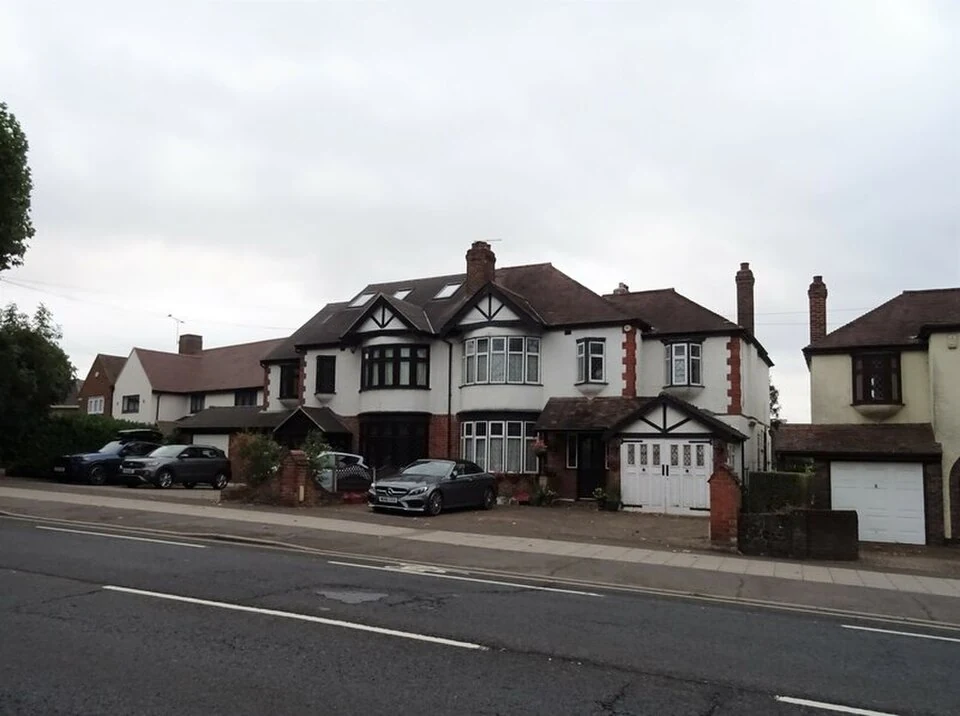
Property reference photograph; not a company job. Photo: JThomas · CC BY-SA 2.0 (resized WebP).
Write the work down in the order it happened
A list of contractors is less useful than a sequence. Identify the fault reported, the repair made, what was removed, how drying was managed and when the new finish was installed. If the mould returned, add the first date and precise position. This account helps show whether the present concern resembles the original water damage or is a different problem. Bring invoices, completion notes and photographs without trying to reconcile them yourself. A repaired roof, replaced waste connection and repainted wall may all be described as “damp work” while addressing different parts of the building. Our review of recurring growth after remedial work asks what each intervention was intended to achieve.
Stopping water does not establish readiness for finishing
Where materials were wetted, their condition matters before they are concealed again. Surface appearance, elapsed time and a dry feeling to the touch provide limited evidence. Different layers can dry at different rates, and the proposed finish may change how the assembly behaves. The suitable checks depend on the material and purpose of the assessment.
Explain whether cabinets, floor coverings or insulation remained in place. An accessible inspection may not establish the state of every concealed layer. If readiness for reinstatement is the main question, say so at booking; it is a more specific purpose than simply asking someone to look at the visible mould.
A new source can resemble unfinished drying
A continuing rainwater fault or intermittent plumbing leak may keep an area wet despite drying efforts. Meanwhile, surface condensation can return on a colder wall after decoration without sharing the original source. The diagnostic task is to compare the present pattern with those possibilities, rather than assume that more drying equipment is always the answer.
Our checks for an unresolved water source can be discussed when the history supports them. If the return follows wet weather, examining the relevant exterior route may be more useful. We explain which evidence is missing before asking another contractor to repeat work already done.
Use the appointment to define the next handover
The findings should separate current observations, likely connections and matters that could not be examined. A drying contractor needs a different question from a decorator or plumber. If another step is recommended, identify its purpose and the evidence needed to judge its completion. That helps prevent several trades each assuming that someone else resolved the moisture.
Do not strip out recently completed work solely to prepare for a routine visit. Tell us where access panels or earlier openings exist and who can approve more intrusive checks. We can discuss whether accessible comparison points answer the concern, or whether the concealed condition requires a separate arrangement.
Keep a Romford repair record with the property
Havering describes Gidea Park’s conservation context as varied garden-suburb houses with a later inter-war development. It is one defined Romford building context, not a standard specification for every home. When reviewing returning marks after work, identify the actual affected assembly and changes made to it rather than infer materials from a period label. Keep the repair sequence tied to that position, including which finishes were retained or replaced before the room was closed and decorated.
At the address itself, mention any change in room use or construction during the work. A newly enclosed area, replaced floor covering or changed extraction route can introduce another question. We do not infer a particular construction or drying failure from a Romford postcode; the actual work and building arrangement are what matter.
Local building context: Havering Council: Gidea Park conservation context and varied house designs.
Plan treatment around the remaining condition
The extent and condition of the finish guide discussion of mould removal after repair work. Intact surfaces with growth and materials damaged by water may require different responses. Treatment should not be described as confirmation that the preceding repair and drying were adequate.
Afterwards, keep a small set of comparable observations tied to the original fault. If the problem was rain-linked, a period without rain tells you little about the repaired route. If a concealed material remained in question, an improved smell is not a substitute for the agreed check. Recurrence advice can address separate room conditions without obscuring an unfinished repair.
Before another round of treatment
How long should I wait after a leak before redecorating?
There is no useful universal interval for every material and water incident. The extent of wetting, retained layers and intended finish need to be considered. Ask the repair or drying contractor what evidence will support reinstatement, and discuss that specific purpose if arranging an inspection.
Does returning mould prove the previous contractor did poor work?
Not by itself. Residual moisture, an unresolved route or a separate condition may be involved. A factual work sequence and current findings are more useful than attributing failure before the building has been checked. The inspection is concerned with the physical question, not deciding a contractual dispute.
Can you inspect while drying equipment is still running?
Explain the equipment, its purpose and the checks you need before booking. Current room conditions may be influenced by the drying programme, so that context belongs in the findings. A routine mould visit should not be substituted for an agreed drying assessment without discussing the scope.
Should I keep photographs from the strip-out?
Yes, particularly where they show affected layers that are now covered. Include the date and room position if possible. They help interpret what is concealed today, while recognising that a photograph cannot establish the current moisture condition of a material behind a new finish.
Why does only the edge of the repaired area have new growth?
The edge can be influenced by a different material, surface temperature or remaining moisture route. Its position helps focus comparison checks, but does not establish which influence is responsible. Explain how the finish was reinstated and whether the growth changes with weather or normal room use.
Will removal include restoring damaged plaster?
The condition and extent of the material need to be assessed and the works specified. Treating growth, replacing a damaged finish and correcting the moisture source are distinct tasks. Ask what is included in any proposal so decoration is not assumed to be part of an inspection appointment.
What is the most useful detail when calling?
Tell us what was repaired and the stage at which the mould reappeared. Mention what remains covered, any active wetting and who holds the work records. That information helps establish whether the next appointment should focus on the source, the retained materials or the room conditions.
Nearby areas we cover
Bring the sequence, not just the latest photograph.
For the Romford property, tell us which repair came first, how drying was assessed and when the finish was replaced. Call to discuss the step that remains uncertain.