
TWO HISTORIES CAN POINT IN DIFFERENT DIRECTIONS
Mould Inspection Bromley
Was the first patch noticed after rain, after bathroom work or during a colder spell? A mould inspection in Bromley can place those histories side by side, so an exterior repair is not chosen for a plumbing problem and condensation is not used to explain every stain.
- Set rainfall observations alongside fixture use
- Distinguish a changing damp patch from remaining decoration marks
- Use the repair chronology to narrow the next check
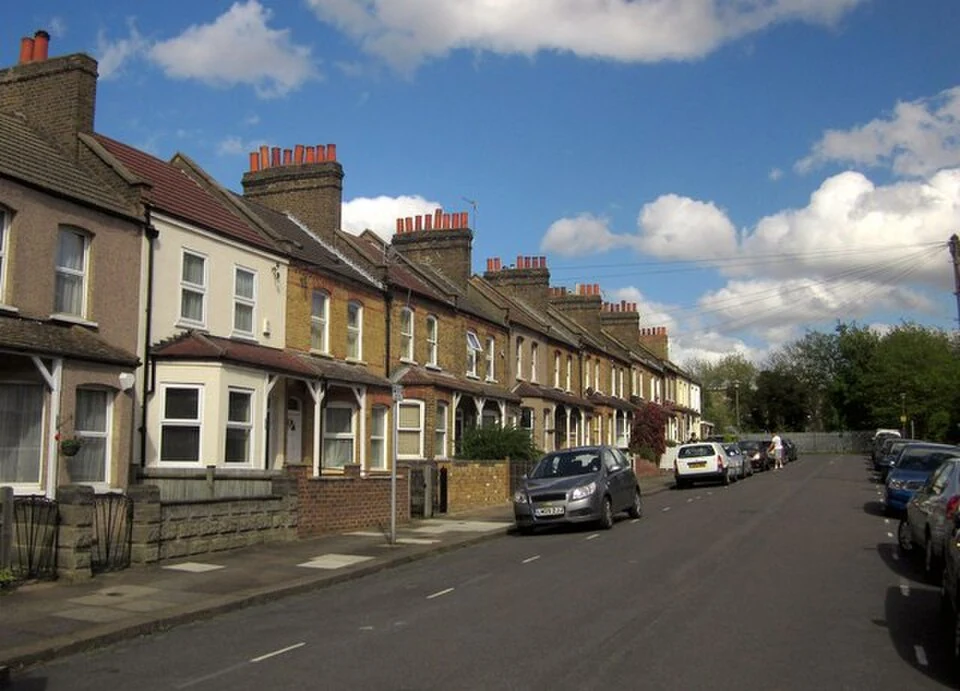
Property reference photograph; not a company job. Photo: Derek Harper · CC BY-SA 2.0 (resized WebP).
Build two short histories rather than one theory
Write down the first date you noticed the mark and anything that happened beforehand. Then record the occasions on which it changed. Rainfall, use of the room above, heating changes and previous work can all be relevant. A history dominated by one memorable event may overlook another recurring influence, particularly where more than one surface is affected.
There is no need to measure every shower or search for a weather archive before calling. The aim is to identify useful comparisons: wet weather without bathroom use, normal bathing during a dry period, or a cold morning with droplets on the glass. Describe the observations as observations, leaving the cause open for examination.
An exterior question needs an exterior detail
Rain-linked wetting can warrant looking at accessible roof, wall, window and rainwater details. The position of an indoor stain may not correspond exactly with the entry point. A repaired gutter elsewhere on the house also does not establish that every possible external route has been addressed. Show us which element was repaired and the affected room in relation to it.
Our assessment of external water concerns can help define the next step where the account supports it. Roof-level access, testing and remedial work need a suitable arrangement. We do not turn a photograph of a wet wall into a guarantee that a particular roof or gutter component is defective.
Plumbing history can change the investigation
A patch that followed bathroom alterations may bring supply, waste or seal details into the enquiry. Include invoices or photographs showing what was changed and which areas were opened. An earlier repair described simply as “the leak fixed” is less informative than a record identifying the component and any test performed afterwards.
A check focused on concealed water sources may be appropriate if the visible response and water-use history suggest it. Pipework cannot be cleared by assumption because a contractor attended previously. Equally, an old water incident should not become the automatic explanation for unrelated mould on another cold surface.
Let the room conditions contribute their own evidence
A bedroom corner affected in cold weather may need consideration of surface temperature, room humidity and air movement. That evidence is different from a patch expanding after rain, but it may exist in the same home. We consider the connected rooms and normal ventilation rather than expecting every affected place to have one cause.
The condensation enquiry can be discussed when droplets, colder surfaces or the room pattern are relevant. Tell us about changed windows, covered vents and heating limitations. These details should help interpret the building’s performance; they are not a reason to dismiss a reported external or plumbing defect.
Keep the local reporting route available
Bromley’s town-centre appraisal records residential groups with tiled and slate roofs, bays and later roof-form changes within its defined area. For a rain-related concern, identify the particular roof and wall detail over the affected room rather than select an external repair from the district name. Keep the weather account separate from bathroom-use changes. The local variety informs which building relationship to describe, but cannot establish that a roof, fitting or indoor condition explains the current mark.
At your address, identify which elevations, roof areas and rooms are actually accessible. A rear extension, converted room or neighbouring bathroom matters only if it connects with the problem. We make those connections from the layout and evidence supplied, rather than claiming that a particular Bromley property type must suffer from a predictable moisture defect.
Local building context: Bromley Council: town-centre appraisal, residential roof and building details.
Use a repair proposal that can be checked later
The conclusion should state what is supported now and what needs another check. If the proposal is an external repair, identify the suspect detail; if it concerns plumbing, retain the test and work description. Treatment of mould on the finish addresses another part of the job and should be planned around drying and material condition.
Review the repair against its original trigger
Follow-up observations should relate to the original trigger. A dry week is not a strong test of a rainfall-related concern. A freshly repainted wall may conceal change for a while without resolving its source. Agree a sensible way to review the repaired area, allowing a separate room-condition issue to be addressed if it remains.
Before another round of treatment
Why does the patch not appear after every rain shower?
Rainfall direction, duration and the condition of the building detail can affect wetting. Intermittent change is still useful evidence, but does not identify the entry point. Tell us which occasions changed the patch and which did not so the inspection can consider a more specific pattern.
Can both plumbing and condensation be involved?
Different moisture influences can affect the same property or even the same area. We compare the water-use history with room conditions and suitable accessible checks. A confirmed issue in one system should not automatically explain every other mark in the home.
Should I ask a roofer or a plumber to attend first?
For active water escape, arrange the relevant urgent repair attention. Where the source is uncertain, explain the observations before choosing a contractor on assumption. An inspection can help identify the next diagnostic route, while any specialist testing or repair needs its own scope.
Will the colour show whether the stain is new?
Colour alone is not a reliable chronology. Earlier photographs, changing boundaries, new growth and appropriate moisture evidence are more useful. A remaining decoration mark and fresh wetting may look similar, so the assessment should not rest on which shade appears darkest.
What if the old repair invoice gives no detail?
Supply it anyway, together with anything you remember about the work and any photographs taken during access. Explain what changed afterwards. Missing records can limit certainty, but the present building evidence can still guide a focused question rather than an unsupported account of the earlier repair.
Nearby areas we cover
Put the rain and repair histories together.
For a Bromley moisture enquiry, mention when the stain changes, which work has already been attempted and who can arrange access to the suspected route. Call to discuss a focused inspection.