
WHEN THE STAIN DOES NOT MATCH THE PIPE
Mould Inspection Croydon
A ceiling mark need not sit directly below the fault that wets it. If mould and staining keep returning in a Croydon property, we use the timing of water use, the room arrangement and accessible evidence to decide whether concealed plumbing deserves a closer look.
- Record which water use precedes the visible change
- Trace connected rooms without assuming a straight-down leak
- Agree any concealed access before finishes are opened
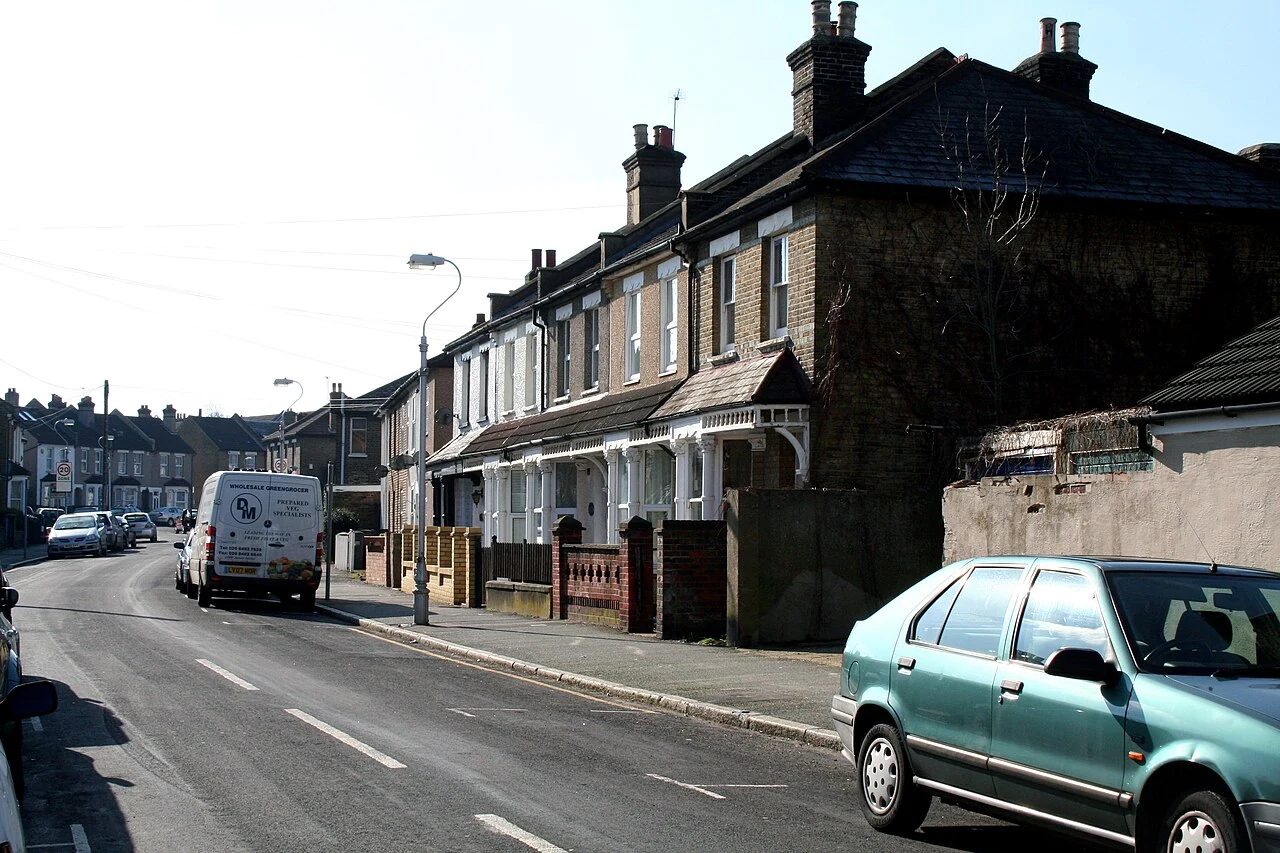
Property reference photograph; not a company job. Photo: Dr Neil Clifton · CC BY-SA 2.0 (resized WebP).
Give the stain a timeline
Describe when it changes. A mark noticed after a bath, a washing-machine cycle or several hours of heating presents different questions from one that follows heavy rain. Intermittent faults can leave a dry-looking surface at the appointment. Dated observations help prevent that quiet moment from being mistaken for proof that there is no continuing problem. Keep the record simple: appliance or fixture used, approximate time and the change you saw. Photograph the whole ceiling or wall so its position is clear. Do not repeatedly operate equipment that appears to be leaking in order to recreate the problem; arrange attention to active water first and explain what happened afterwards.
Water can appear away from its entry point
A void, joist, pipe sleeve or another building detail can influence where water becomes visible. The relevant bathroom may not be immediately above the darkest patch. Show the adjoining rooms and explain any boxed-in services or previous alterations. That gives a hidden-water investigation a more useful starting point than cutting directly above the stain.
Supply, waste and seals also behave differently. A reported change after a fixture is used is useful, but does not identify which component failed. We can consider suitable accessible moisture checks and the history of earlier plumbing work. Specialist tests and opening a concealed route must be discussed separately where they are needed.
Check competing explanations at the same time
Condensation on a cooler ceiling edge may coexist with a plumbing concern elsewhere. Rain-related wetting may point to an exterior detail rather than the bathroom above. The purpose of the inspection is to test the account against the building, not select a cause solely because a pipe can be drawn nearby on a floor plan.
Our review of indoor moisture and ventilation is relevant where the room pattern suggests it. If outside water is a stronger concern, checks relating to rainwater routes may be discussed. Each route needs its own evidence; a broad list of possible causes is not a completed diagnosis.
Access above the mark may need coordination
Tell us whether you control the room above and whether it is occupied. In a flat, the managing agent or neighbouring occupier may hold the repair information that makes the history intelligible. If their accommodation is unavailable, we can record what the visible evidence supports and what remains unresolved. We cannot imply that unseen plumbing has been checked.
For an accessible inspection, move lightweight items away from the affected surface where practical. Keep details of earlier openings and any photographs taken while the ceiling was exposed. Existing access panels can be useful, but removing fixtures, lifting floors and making good are separate matters that need permission and a clear purpose.
Make a Croydon repair report specific
Croydon’s borough character appraisal identifies converted terrace groups and mid-rise flats in particular residential character areas. These different arrangements make the actual room above a ceiling mark important: a fitting may be within your home or controlled by another occupier. Establish that relationship and known service changes before a concealed-water enquiry. The local study does not identify any building’s pipe route or defect; it supplies a reason to coordinate the relevant layout, records and access.
Avoid an early argument over labels such as condensation or a leak when the building evidence is incomplete. The practical question is what needs to be checked, by whom and with what access. An agreed diagnostic step is easier to coordinate than several contractors each attending with a different assumed explanation.
Local building context: Croydon Council: borough character appraisal and residential building forms.
Treat the finish after the water question is addressed
Once a suspected route is repaired, the affected assembly may still need drying and assessment. Mould treatment around the damaged area should account for the finish, continuing wetting and any material that cannot be retained. A clean ceiling does not establish that the pipework or seal above it has been tested.
For recurrence, compare the same location and record the relevant use rather than only photographing a fresh patch. A different pattern after repairs can indicate a remaining source or a separate room-condition problem. Keeping the original timeline allows the next inspection to ask a better question instead of starting again with the colour of the stain.
Before another round of treatment
Does the leak have to be directly above the stain?
No. The path through the building can influence where wetting becomes visible. The rooms above and alongside the mark, known service routes and earlier openings all help guide investigation. The final visible position is a starting clue rather than a reliable map of the fault.
What if the ceiling is dry on the appointment day?
Explain the circumstances when it changed and supply dated photographs if available. An intermittent problem may not be active during a visit. The inspection can consider the history and present evidence, with any uncertainty recorded rather than dismissed because the surface currently looks dry.
Should I use the upstairs shower to demonstrate the problem?
Do not deliberately recreate water escape that could damage the building or affect electrical fittings. Provide your earlier observations and tell the responsible repair person about active concerns. Any controlled test needs appropriate planning and should not be assumed to form part of a routine mould appointment.
Can the inspection proceed without entry to the flat above?
A visit can examine agreed accessible areas, but restricted access may leave the source unresolved. Tell us this before booking. Findings should identify the limitation and explain any further access needed, so an accessible inspection is not mistaken for a complete examination of neighbouring plumbing.
Is a darker patch after bathing proof of a failed waste pipe?
It gives the investigation a useful timing clue, but seals, supply connections and other details may also be relevant. The building arrangement and suitable checks are needed before identifying a component. Avoid commissioning a particular repair on the strength of timing alone.
Nearby areas we cover
Explain what happens before the ceiling changes.
Call to discuss the Croydon property with a room layout, the water-use pattern and previous repair details. Mention early if access above the affected surface needs another person’s agreement.