
THE ROOF VOID HAS ITS OWN MOISTURE EVIDENCE
Mould Inspection Ruislip
A damp-looking roof-space timber and mould in the bedroom below should not be merged into one diagnosis. For a Ruislip inspection enquiry, explain the observations on each side of the ceiling. We can discuss how room moisture, roof-space conditions and possible water entry relate, with safe access clearly defined.
- Keep roof-space and occupied-room observations separate
- Distinguish dispersed moisture clues from a local rainwater pattern
- Include ducting and air routes without assuming their condition
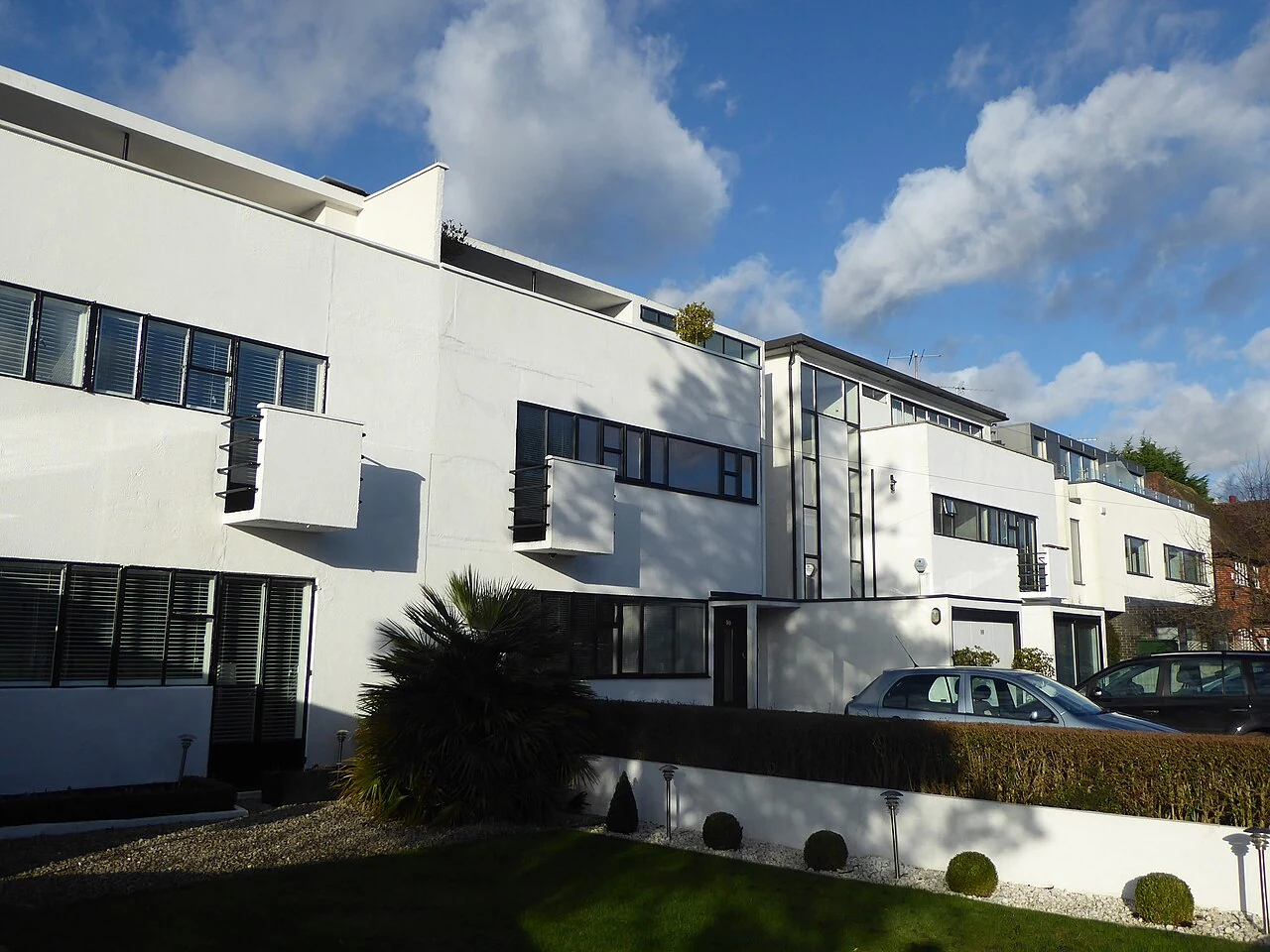
Property reference photograph; not a company job. Photo: Marathon · CC BY-SA 2.0 (resized WebP).
Identify what was seen above the ceiling
Use existing contractor photographs or a safe previous record to locate the concern: a timber face, the underside of a covering, insulation or stored contents. Describe droplets, staining and surface growth separately. A dark timber colour does not establish mould, decay or structural condition. Those material questions may need a different specialist assessment.
Note whether the observation was localised or spread across several positions. That distribution can guide enquiry without proving a source. Do not enter an unfamiliar void, move insulation or walk on ceiling materials to supply photographs; describe the available access and let the appropriately equipped person plan further examination.
Dispersed droplets and a local wet route ask different questions
Moisture observed across several cooler surfaces can raise a roof-space condensation question. A changing local area after rainfall may prompt examination of a particular water-entry detail. Neither pattern is conclusive on its own. Weather, surface material and the history of the observation need to be kept with the photograph.
An enquiry into possible outside water may involve a separate roof-level check. A room appointment cannot certify a covering or junction that was not examined. If a roofer has already attended, bring the location, findings and work description so the present question can be distinguished from the earlier repair.
Ask how occupied-room air could reach the void
Ceiling openings, hatches and known service routes can help explain the relationship between the occupied rooms and the space above. Their presence does not prove that warm room air is the cause. We consider what is known about the construction, any alterations and the observed conditions before recommending a change.
A bathroom duct deserves a specific account of where it terminates. A fan heard downstairs does not establish that its discharge reaches outdoors as intended. Where the route is concealed or unverified, the next step should ask for that confirmation. Do not disconnect ducting or change a ventilation opening to see whether the roof-space marks disappear.
Our assessment of relevant room and extraction conditions can contribute evidence from the occupied side. It is not automatically a complete ventilation design review of the roof assembly. Where specialist advice is needed, the recommendation should identify that remaining design or access question.
Keep insulation observations tied to the actual arrangement
Mention recent added insulation, boarding or storage changes and provide records if available. Such alterations can affect what is visible and accessible. Seeing material near an opening does not establish the whole airflow path, while a photographed gap does not by itself specify the correct remedy.
Avoid moving stored material or modifying insulation solely to prepare for a visit. Work within a roof space requires safe access and a clear purpose. A proposed alteration should be assessed for the actual roof construction, rather than use a general mould webpage as a design instruction.
The room below supplies a separate comparison
Describe any ceiling growth, wet window or persistent wall patch in the occupied room. Its timing may differ from the roof-space observation. A clear bedroom ceiling does not establish that the void is dry, and a damp-looking timber does not explain every patch inside the bedroom.
Our inspection of agreed accessible room surfaces can compare that account with the available history. A local damp-material enquiry may be relevant where wetting persists. The findings should keep the two locations identifiable so repair work above and treatment below are not confused.
Check the Ruislip address before changing the roof
Hillingdon’s Ruislip Village appraisal describes individual homes alongside purpose-built flats within its boundary. For observations above a ceiling, establish whether the roof space is controlled by you or forms part of a shared building before arranging examination. A safe entry point does not make every concealed surface available within a room appointment. This local range informs the access and maintenance-record question; it does not establish roof-space construction or claim a particular mould risk across Ruislip.
For a communal roof, identify who holds the access and relevant maintenance records. A safe hatch or an earlier inspection does not mean every timber, duct or covering is within the booked scope. Say if the purpose is roof-void examination rather than an ordinary room enquiry, so the right specialist and arrangements can be discussed.
Local building context: Hillingdon Council: Ruislip Village appraisal, individual homes and flat context.
Define the material decision after the moisture enquiry
Treatment of roof-space material is not interchangeable with removal from a room finish. Timber condition, any damaged material and a continuing water or ventilation question may each require their own response. The proposal should say which location and material it addresses.
After work, retain the relevant inspection and repair records rather than repeatedly entering the void to compare photographs. Any follow-up should use safe agreed access and relate to the original observation. The useful result is a defined question answered by suitable evidence, not a promise that one room cleaning or roof vent resolves every uncertainty.
Before another round of treatment
Does dark roof timber prove decay?
Colour alone does not establish growth, decay or structural condition. Describe the position, surface change and any moisture observation. A timber-condition concern may require appropriate specialist access and assessment, separate from an inspection of mould on occupied-room finishes.
Can roof-space moisture exist above a clear bedroom ceiling?
The two locations can have different conditions and visible effects. A clear ceiling is not a measurement of the void. Keep observations separate and provide available records so the enquiry can consider how the spaces connect without assuming the same source or treatment applies to both.
Should a bathroom duct terminate in the loft?
The installed extraction route should be verified against its appropriate design and installation requirements. Explain what is actually known about the termination and seek suitable contractor advice. A room-side fan operating does not prove the discharge arrangement; do not alter or disconnect it yourself to test a theory.
Will adding roof vents automatically solve the concern?
A ventilation alteration needs the actual construction and moisture route understood. Local water entry or an unverified duct route may require different action. Equipment or openings should not be specified solely because a roof-space photograph shows droplets or dark material.
Is entering the roof void part of every appointment?
No. Describe the inspection purpose, access and known hazards before booking. A routine accessible-room visit does not imply roof-space entry, a structural timber survey or examination of the whole covering. Appropriate specialist involvement may be needed for the question reported.
What if a contractor’s photograph has no location notes?
Ask which roof section and material it shows if that information is available. Give the inspection date and associated room below. Unlocated images can still raise a concern, but may limit comparisons and should not be treated as a precise map of a concealed water route.
Nearby areas we cover
Tell us what was observed on each side of the ceiling.
Call about the Ruislip property with existing roof-space records, the occupied-room symptoms and access information. We can discuss which part of the enquiry needs a room visit or a separate specialist arrangement.