
INVESTIGATE THE FLAT AND THE BUILDING SYSTEMS
Mould Inspection Canary Wharf
A moisture problem in a Canary Wharf apartment may involve equipment or access beyond the room where mould is visible. Bring the building manager into the enquiry early, with the ventilation instructions and the position of any cooling equipment. The visit should distinguish room conditions from a local water route before either is treated.
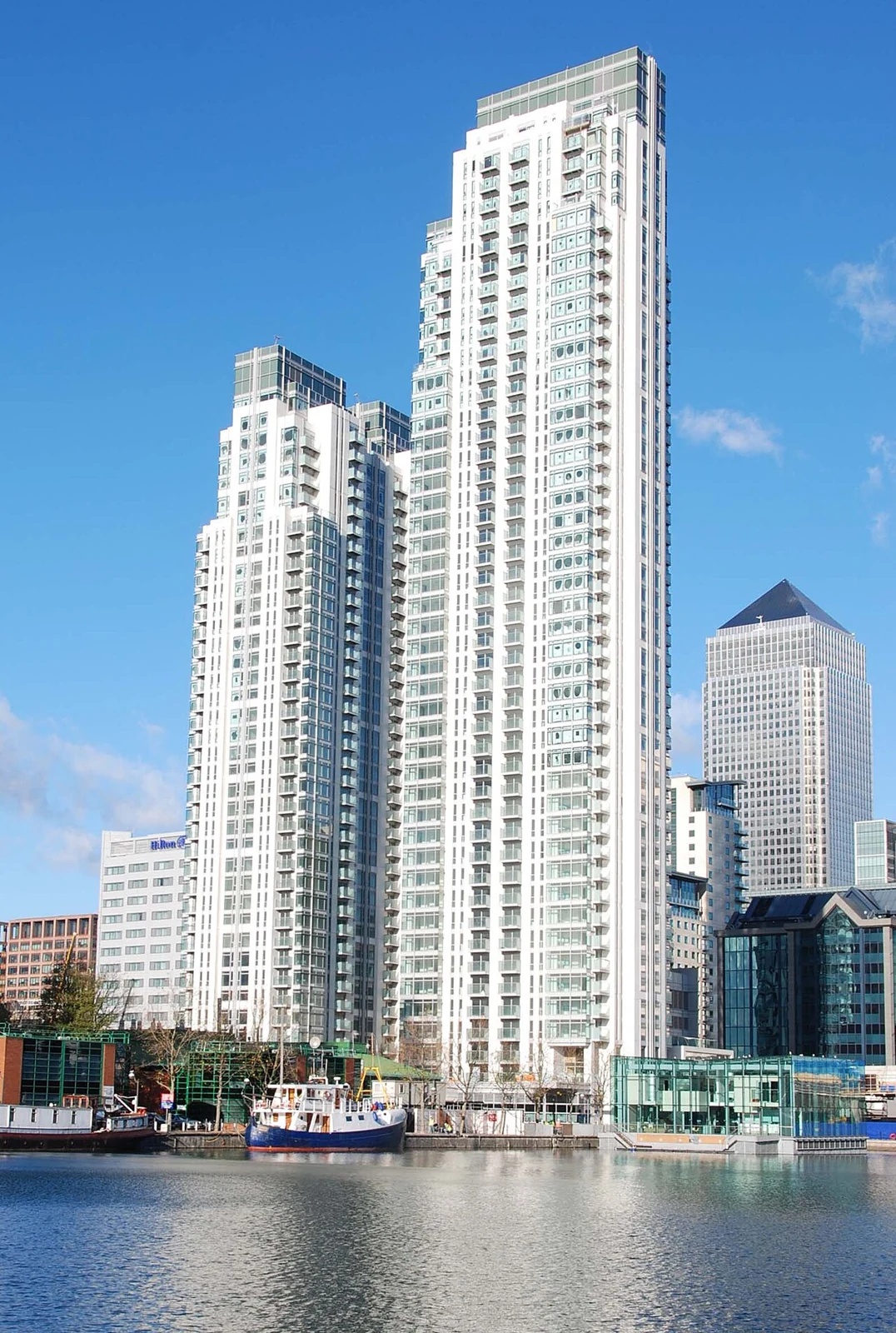
Property reference photograph; not a company job. Photo: Dick Bulch · CC BY-SA 2.0 (resized WebP).
- Locate the affected surface against equipment and service routes
- Bring operating and maintenance information to the enquiry
- Plan access beyond the apartment where the evidence requires it
Start with the actual apartment arrangement
Tower Hamlets’ development information identifies residential development at Wood Wharf. It establishes a local apartment context, not the ventilation, cooling or defect history of an individual home. A Canary Wharf address therefore needs its own equipment information and floor layout before a moisture finding can be interpreted. Describe whether the growth is beside a window, within a service cupboard or under a ceiling containing equipment. Give the room and approximate height, with a wider photograph showing surrounding fittings. A new-looking finish or a high floor does not exclude a local water source, while visible growth does not establish that a communal system is at fault.
Local building context: Tower Hamlets Council: Wood Wharf residential development context.
Cooling water and room condensation are different enquiries
If the apartment has cooling equipment, explain its location and any servicing or fault history. Some equipment produces condensate that needs to drain through its intended route. A possible escape at that route is not the same phenomenon as room-side droplets on a cold window. Equipment type and installed connections must be established before attributing a patch to it.
For investigation of a possible concealed water escape, records and access can matter as much as the visible stain. A mould appointment should not imply servicing a cooling unit or testing every drain. Where an equipment specialist is required, the recommendation should identify the particular uncertainty to be checked.
Match the ventilation account to the installed system
Obtain the instructions already supplied for the apartment and describe normal control use. The building may have arrangements that differ from another flat, so settings borrowed from a neighbour are not reliable evidence. Tell us about warnings, unusual behaviour or any maintenance visit connected with the moisture concern.
Our review of ventilation-related evidence can consider accessible room observations alongside that information. A terminal grille alone cannot confirm system performance. Equipment verification, balancing or concealed duct access may need a separate scope; the inspection should make that distinction clear without assuming the residents have used the system incorrectly.
The building manager may hold the missing part
Ask which records relate to the affected apartment, who maintains relevant equipment and who can authorise entry to a service area. Information about a nearby leak or work above the ceiling can guide the investigation, but it should be tied to the actual location rather than a general building rumour. The flat moisture assessment can help organise accessible evidence and the questions requiring shared-building involvement. A visit inside one apartment cannot automatically confirm another dwelling’s condition or a communal service route. Agree the access and contact arrangements so further enquiries have a practical route rather than end at a locked cupboard.
Separate observations from the proposed repair
During the agreed visit we consider the affected material, the chronology and appropriate accessible moisture checks. The findings should describe which evidence supports a room-condition measure, a local source investigation or equipment work. If more than one influence is plausible, that uncertainty needs to remain explicit.
Treatment of visible building-surface growth can then be discussed with repair and drying where relevant. Replacing a ceiling panel without resolving a local escape may leave the replacement exposed. Conversely, servicing equipment does not itself establish that all affected finishes have been assessed or treated.
Follow up at the original surface
After action, compare the same ceiling, cupboard or window detail under ordinary apartment use. Keep the service description and date with those observations. A cleared warning on a control panel is useful equipment information, but it does not substitute for checking the location that prompted the call.
If window droplets improve while a patch beneath equipment remains, report those outcomes separately. Advice to reduce recurrence should relate to the verified apartment arrangement. Its purpose is to support the findings, not require residents to guess how an unfamiliar building system works.
Nearby areas we cover
Questions about indoor and external moisture
Does a high-floor apartment rule out a water problem?
No. Internal equipment, plumbing and building details can still be relevant. Explain the position and history of the affected surface. Floor level alone cannot distinguish indoor condensation from a local water escape.
Is cooling condensate the same as window condensation?
No. Water collected by particular cooling equipment follows an installed drainage route, whereas room-side window droplets concern the room environment and surface. Establish the actual equipment before deciding which enquiry fits the patch.
Who should provide ventilation records?
The apartment instructions, landlord or building manager may hold them. Ask for information relevant to the installed system and affected dwelling. Records from a different apartment should not be treated as proof of the same arrangement.
Will you service the cooling unit?
Equipment servicing must be scoped separately with an appropriate specialist. The mould visit can examine agreed accessible moisture evidence and identify a further equipment question. It should not imply technical work outside that appointment.
Can a locked service cupboard limit the finding?
Yes, where it conceals a relevant route. Arrange permission through the responsible party if access is needed. The findings should state what remains unverified rather than assume a source behind an inaccessible door.
What shows improvement after building work?
Compare the original surface as well as equipment behaviour. Keep the work description and dates. An invoice or cleared control warning does not by itself establish that the room’s mould or local dampness has improved.
Why identify a patch below equipment separately from the windows?
The two observations can relate to different water questions. A room-side glass pattern may warrant ventilation assessment, while a local mark beneath equipment may need a targeted source enquiry. Report how each changes so improvement at one surface does not obscure the other.
Is an apartment operating manual enough to confirm performance?
It explains intended use and can clarify settings, but it does not verify the present installation or every concealed route. Relevant maintenance information and accessible room evidence remain useful. A specific equipment test may need a qualified specialist rather than an ordinary mould visit.
Connect the room concern with the building information.
Tell us the affected position, installed equipment and who can provide access or records. Call to discuss a Canary Wharf inspection with those practical questions included.