Proper Cause Detection
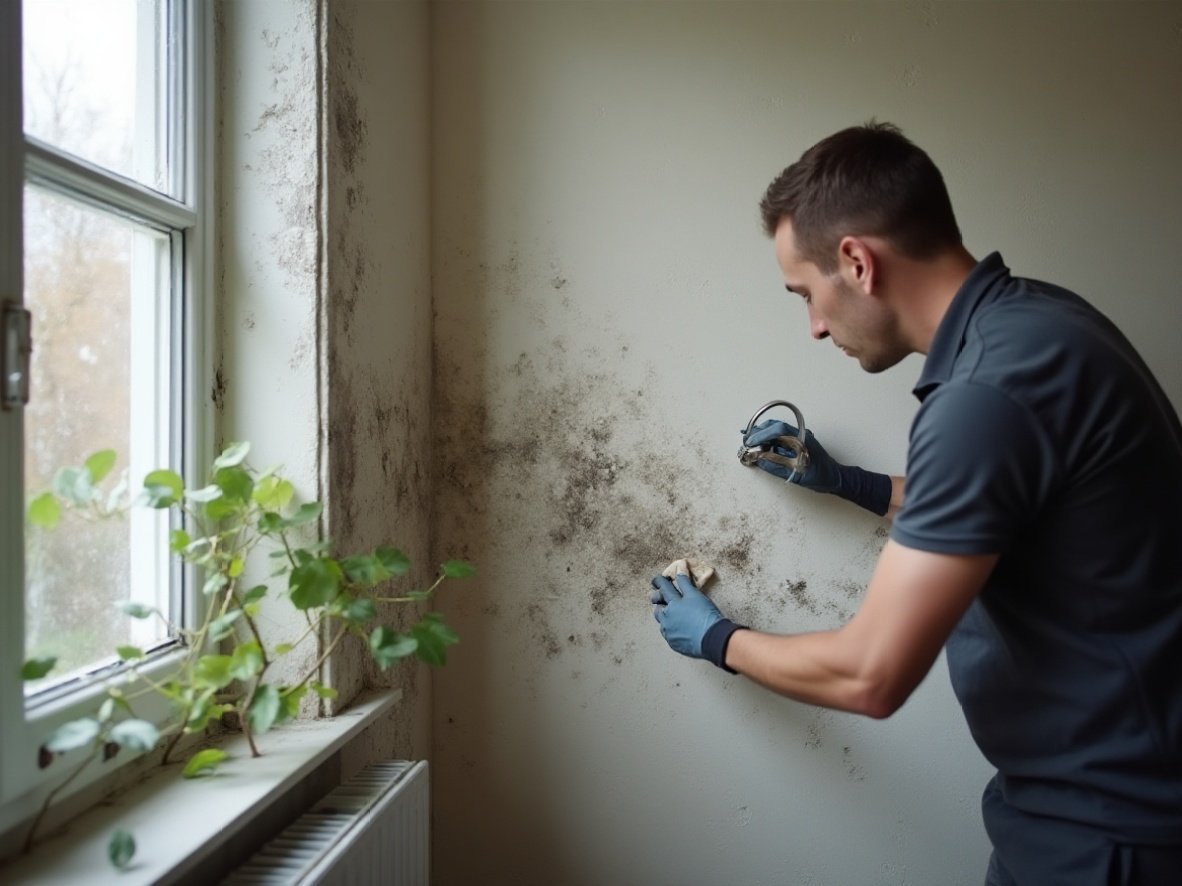
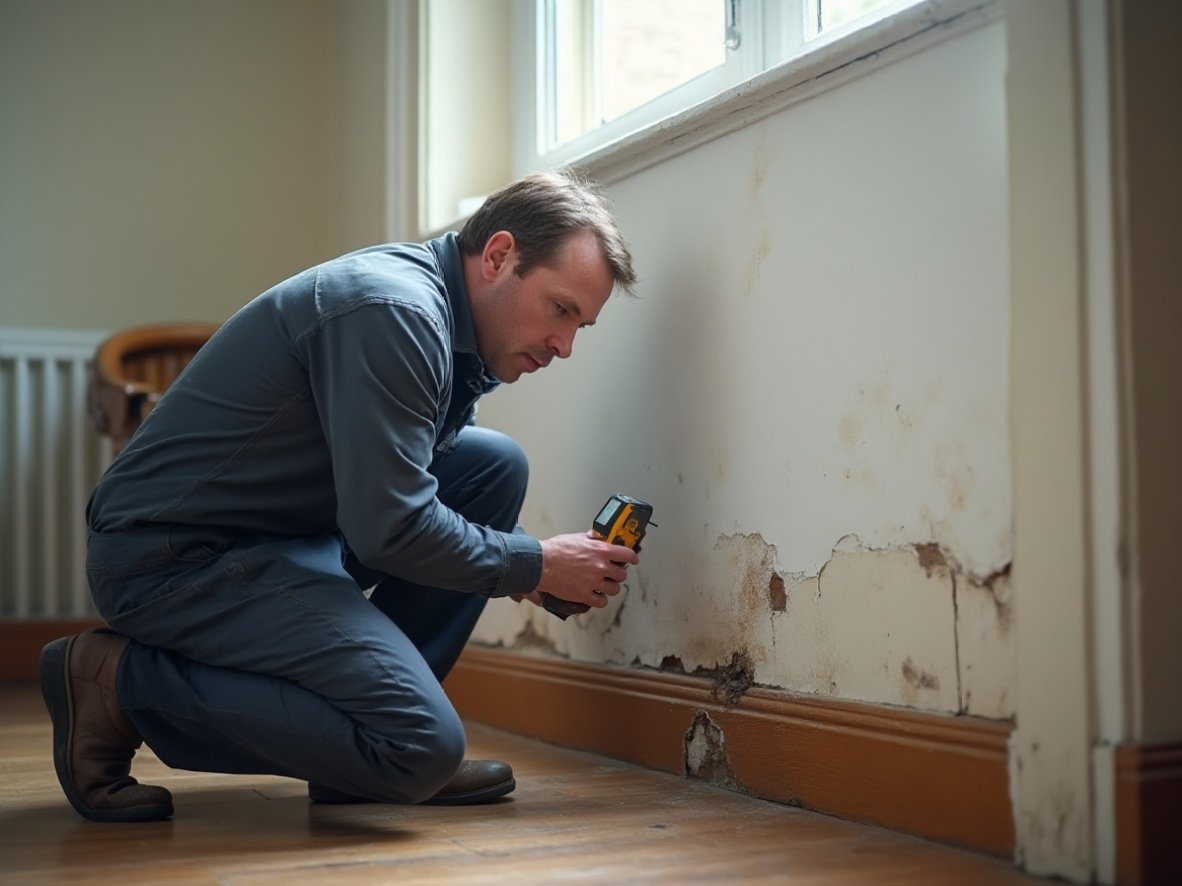
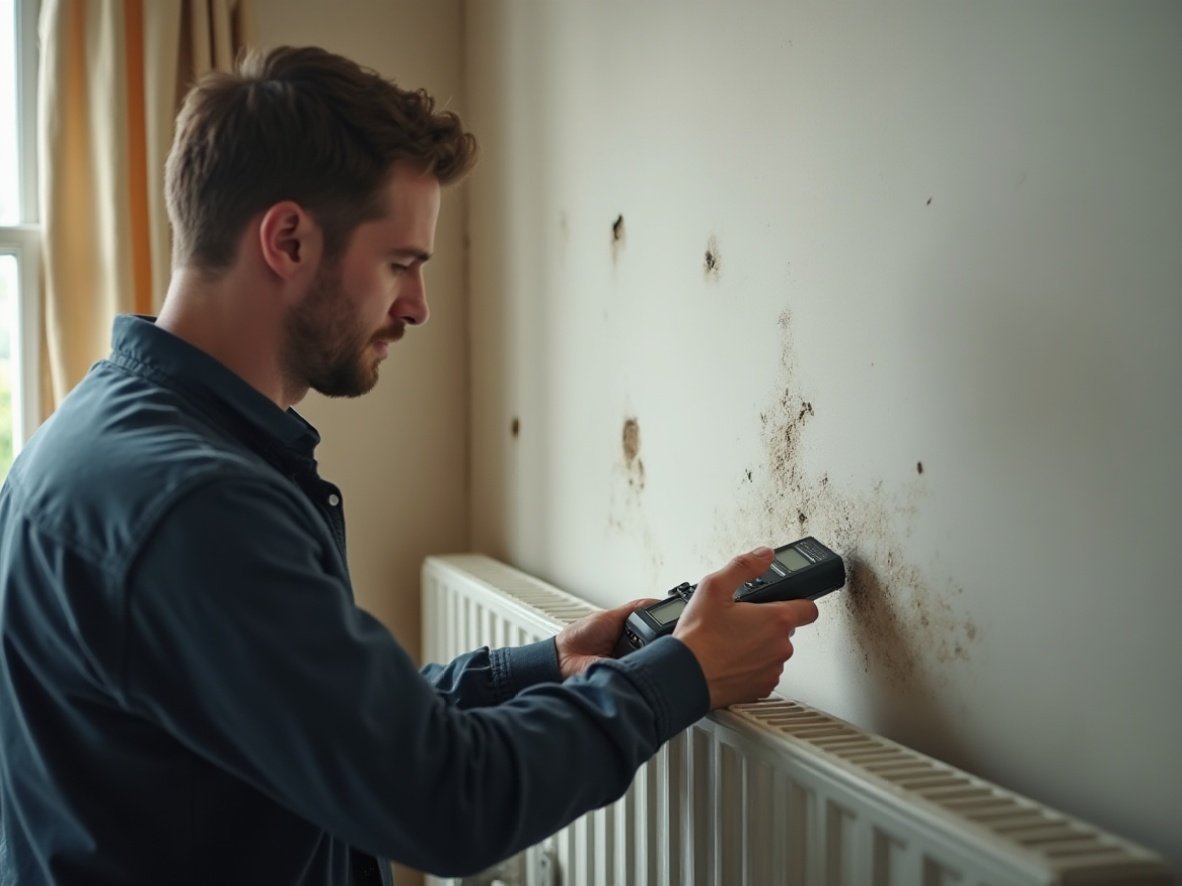
We don’t just remove visible mould. We identify whether it’s condensation, damp, or a hidden leak before treating it.




Bathrooms and kitchens produce more moisture than any other part of the property, so it’s no surprise mould tends to start there. In London homes, especially flats with limited space, steam from showers or cooking builds up quickly and doesn’t always clear as it should. When that moisture settles on cooler surfaces like ceilings, tiles, or window areas, it creates the right conditions for mould to form.
We recently dealt with a flat in Brixton where mould kept appearing on the bathroom ceiling despite regular cleaning. The issue wasn’t the cleaning — it was the extractor fan. It was working, but not strong enough to remove the level of steam build-up from daily showers. Over time, the ceiling stayed slightly damp, allowing mould to return again and again.
In kitchens, moisture is more irregular but often more intense. Boiling water, cooking without lids, and using appliances without proper extraction all release large amounts of humid air in short bursts. If that air isn’t removed quickly, it spreads into nearby rooms or settles on colder surfaces.
Bathrooms, on the other hand, deal with consistent moisture. Hot showers produce steam that rises and collects on ceilings and upper walls. Without proper ventilation, that moisture lingers long after the room is no longer in use. This is why mould often appears in corners, along silicone seals, or around light fittings where air movement is weakest.
We also see issues where ventilation exists but isn’t used effectively. Extractor fans might be switched off too early, or windows remain closed for long periods. In some properties, especially internal bathrooms, there’s no natural airflow at all, so the entire space relies on mechanical extraction.
Certain materials in bathrooms and kitchens can hold moisture longer than expected. Silicone seals, grout lines, and painted ceilings can all absorb small amounts of water over time. Once that happens repeatedly, mould starts to develop within those materials rather than just on the surface.
There are also practical limitations. In many London flats, space is tight, and airflow is restricted by layout. That makes it harder for moisture to disperse naturally. At Mould Inspection London, we focus on identifying how that specific space is used and where moisture is getting trapped, so the solution fits the actual conditions rather than relying on general advice.

Mould kept coming back behind our wardrobe no matter how many times we cleaned it. The technician explained it was condensation getting trapped against the wall. After the treatment and moving the furniture slightly, it hasn’t returned.
Booked them after trying to deal with it myself for months. What I liked is they didn’t just clean it and leave — they explained why it was happening and what to change. Feels properly resolved now.
We had mould on the ceiling near the bathroom and thought it was just poor cleaning. Turned out the extractor fan wasn’t working properly. They sorted the mould and explained what needed fixing.
I was expecting a quick clean, but they pointed out a small leak I hadn’t noticed. That explained why the mould kept coming back. Glad we dealt with it properly instead of just covering it up again.
The mould around our windows was getting worse every winter. The visit was straightforward, no overcomplicating things. They treated the areas and explained how to manage condensation better. Big improvement since.
We had a constant musty smell in the bedroom and didn’t realise it was mould starting in the corner. They didn’t rush the job — first checked the room properly, then treated the area. Also gave practical advice that actually made sense.

Once mould has formed in a bathroom or kitchen, removing it is only part of the solution. The key is reducing how long moisture stays in the air after it’s created. In many London properties, especially smaller flats, steam doesn’t clear quickly because there’s nowhere for it to go.
We handled a kitchen in Shepherd’s Bush where mould kept forming along the upper cabinets. The extractor fan was present but rarely used, and most cooking was done with lids off. That meant repeated bursts of humid air rising and settling on the same surfaces. Once the airflow improved and the area was treated, the issue stopped returning.
In bathrooms, timing makes a big difference. Moisture doesn’t disappear when the shower stops — it lingers on ceilings, walls, and fittings. Running the extractor for longer or allowing some background ventilation helps reduce how much moisture settles into surfaces like grout and paint.
There are also cases where the setup limits what can be done. Internal bathrooms without windows rely entirely on extraction, and if that system is weak, improvements may be needed. In kitchens, poor layout or blocked airflow can keep condensation trapped in certain corners.
It’s also worth being realistic about expectations. If moisture levels remain high every day, even a good treatment won’t last. At Mould Inspection London, we focus on practical changes that match how the space is actually used, so the results hold over time rather than fading after a few weeks.
Why does mould keep coming back in my bathroom or kitchen?
Because moisture is still being produced and not cleared properly. These rooms generate high levels of steam and humidity, and without proper ventilation, surfaces stay damp long enough for mould to return.
Is an extractor fan enough to stop mould?
Only if it’s effective and used correctly. Many issues come from weak fans or not running them long enough after cooking or showering, which allows humid air to settle on walls and ceilings.
Can mould grow even if I clean regularly?
Yes. Cleaning removes visible mould, but if moisture build-up continues, it will grow back in the same areas, especially on seals, grout, and ceilings.
Do bathrooms without windows have a higher risk?
They do. Without natural airflow, these spaces rely entirely on mechanical ventilation. If extraction is poor, condensation will build up quickly and increase the chance of mould developing.