Proper Cause Detection
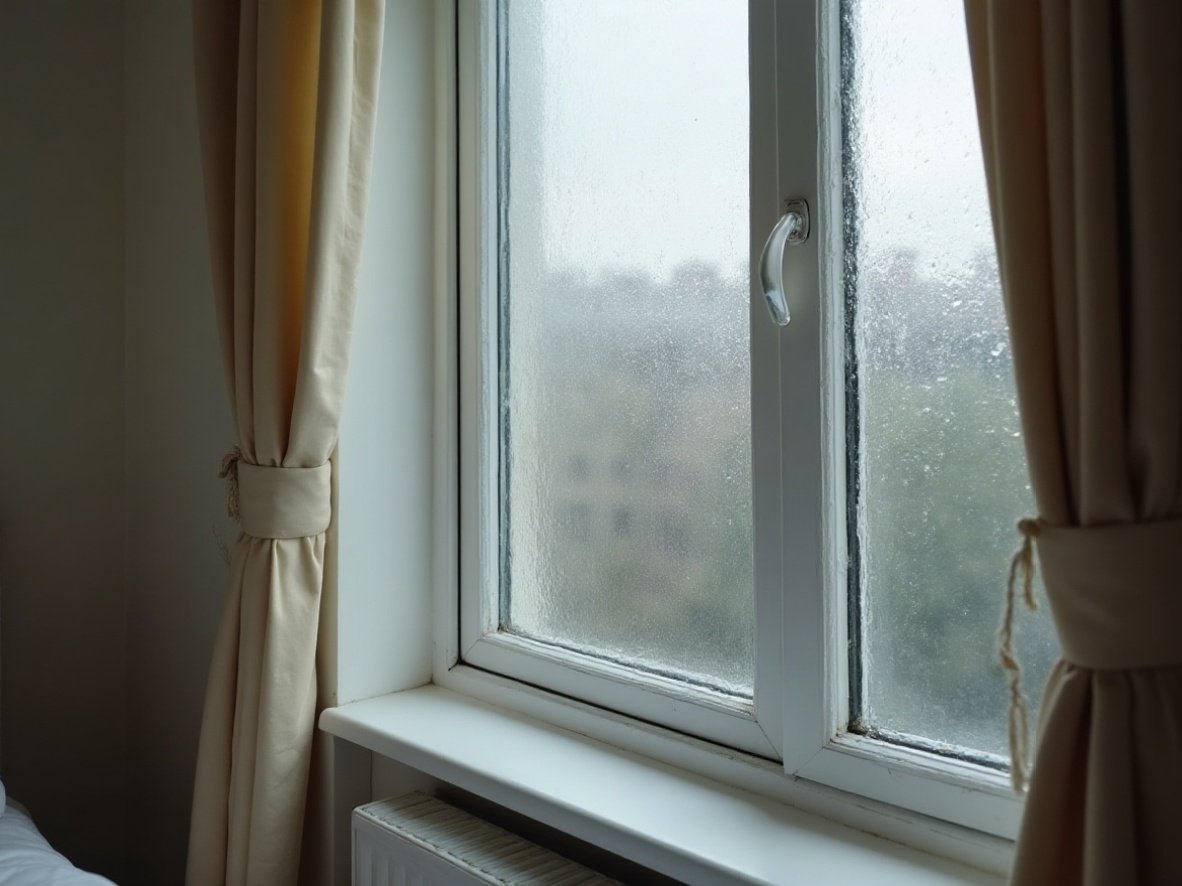
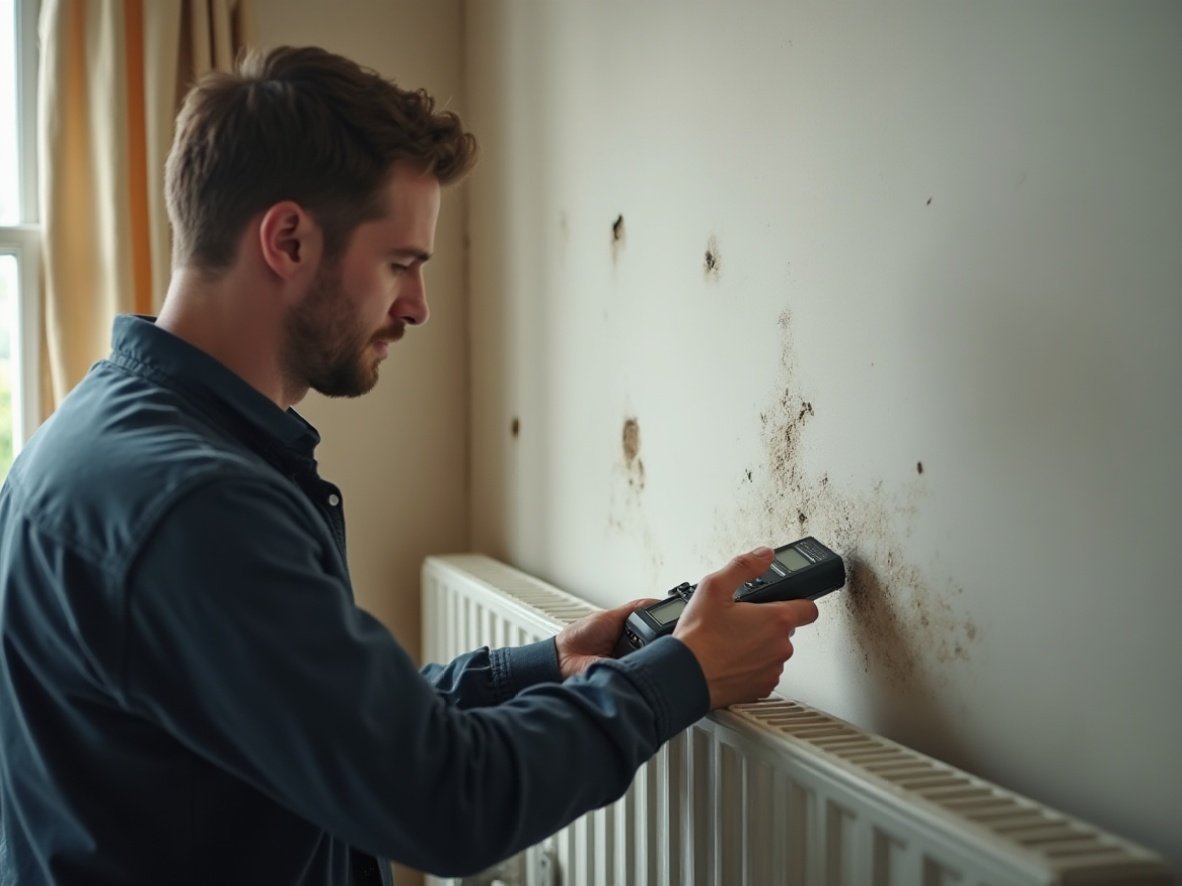
We don’t just remove visible mould. We identify whether it’s condensation, damp, or a hidden leak before treating it.
Mould in flats and apartments often builds up quietly due to limited airflow and shared building conditions. In London, factors like sealed windows, neighbouring heat, and restricted ventilation can make moisture harder to control. At Mould Inspection London, we focus on how your specific flat behaves, not just the visible mould.



Flats behave differently to houses when it comes to moisture. In many London apartments, especially conversions or newer builds, airflow is limited and rooms are used more intensively. That combination means humidity levels rise quickly and don’t always drop back down, particularly in colder months.
We recently inspected a one-bedroom flat in Canary Wharf where mould kept forming along the external wall in the living room. The tenant was rarely home during the day, windows stayed closed, and heating was used in short bursts. The result was a cycle of moisture build-up overnight and cold surfaces during the day — ideal conditions for mould to return in the same areas.
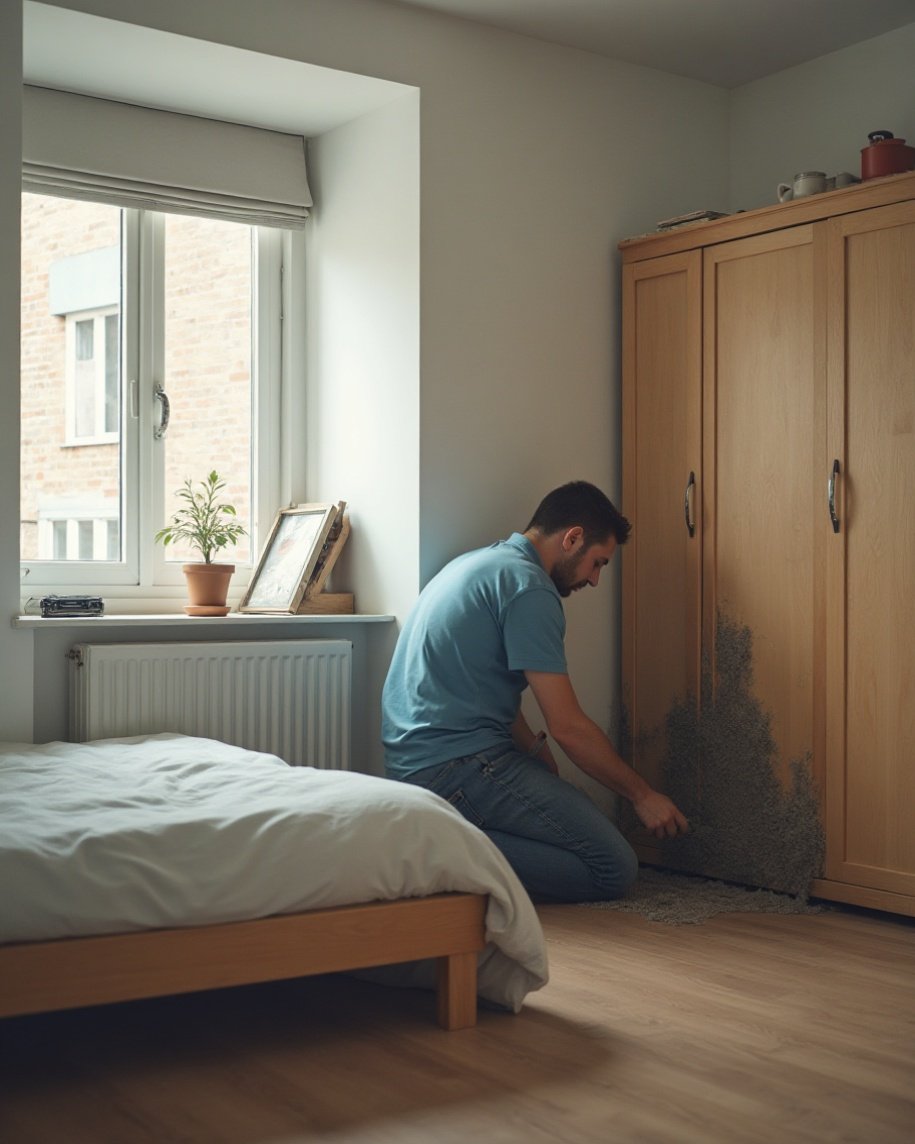
Space plays a big role. In smaller flats, furniture is often placed close to walls, especially external ones. That restricts airflow and creates pockets where moisture lingers longer. We often find mould behind wardrobes, sofas, or beds rather than in open parts of the room.
Another factor is how buildings share heat and moisture. In apartment blocks, neighbouring flats can influence internal conditions. Warm air from adjacent units can raise indoor humidity, while poorly insulated walls can stay cold enough to attract condensation. This mix makes it harder to control the environment from within a single flat.
Ventilation is also more limited. Some properties rely entirely on mechanical systems, while others have windows that are rarely opened due to noise, security, or weather. When humid air has no consistent escape route, it settles on cooler surfaces like corners, ceilings, and window areas.
The key point is that mould in flats is rarely caused by one issue alone. It’s usually a combination of layout, usage, and building structure. That’s why treating the visible mould without understanding how the space behaves often leads to the same problem returning again.

Mould kept coming back behind our wardrobe no matter how many times we cleaned it. The technician explained it was condensation getting trapped against the wall. After the treatment and moving the furniture slightly, it hasn’t returned.
Booked them after trying to deal with it myself for months. What I liked is they didn’t just clean it and leave — they explained why it was happening and what to change. Feels properly resolved now.
We had mould on the ceiling near the bathroom and thought it was just poor cleaning. Turned out the extractor fan wasn’t working properly. They sorted the mould and explained what needed fixing.
I was expecting a quick clean, but they pointed out a small leak I hadn’t noticed. That explained why the mould kept coming back. Glad we dealt with it properly instead of just covering it up again.
The mould around our windows was getting worse every winter. The visit was straightforward, no overcomplicating things. They treated the areas and explained how to manage condensation better. Big improvement since.
We had a constant musty smell in the bedroom and didn’t realise it was mould starting in the corner. They didn’t rush the job — first checked the room properly, then treated the area. Also gave practical advice that actually made sense.
In flats and apartments, the solution isn’t about doing more — it’s about doing the right things consistently. Because space is limited and rooms serve multiple purposes, moisture builds up faster and spreads more easily between areas. A short burst of steam from cooking or a shower doesn’t just stay in one room; it moves through the flat and settles where conditions allow.
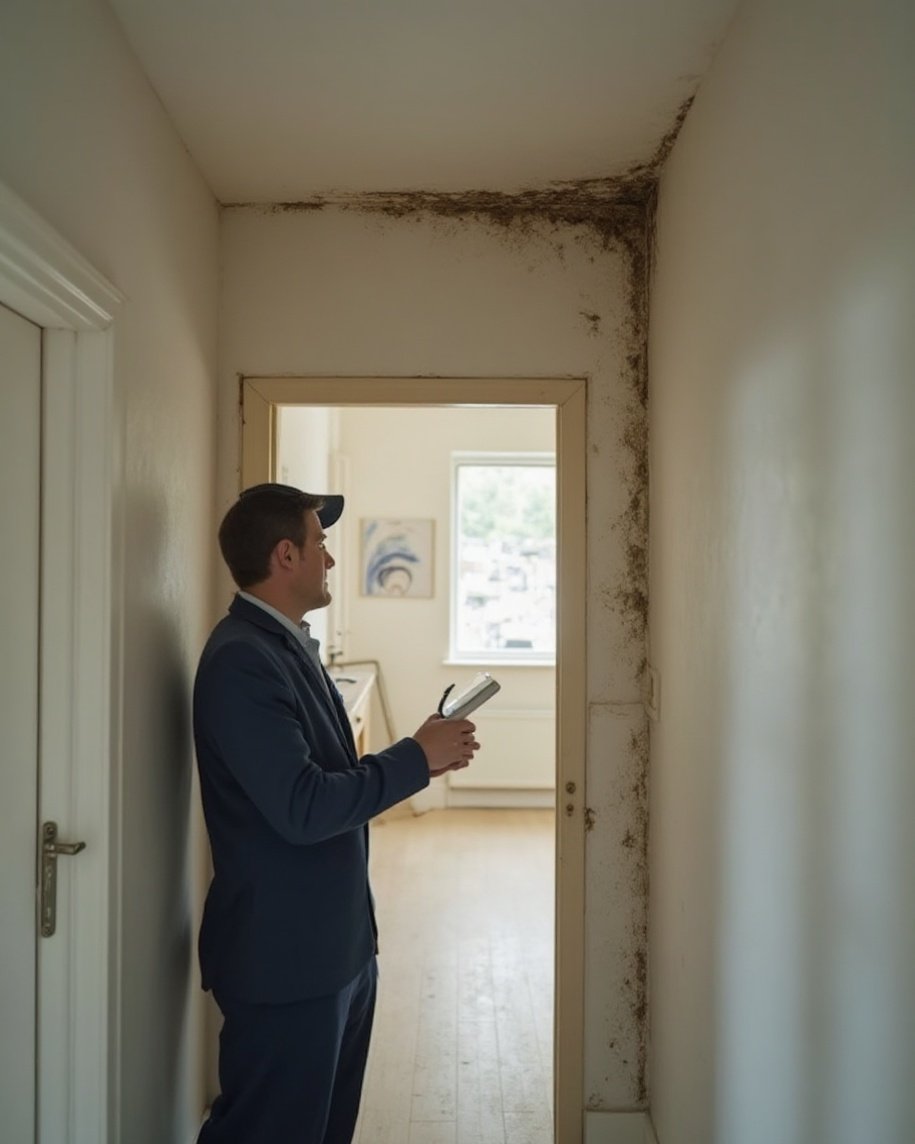
We worked on a second-floor flat in Bethnal Green where mould kept appearing along the hallway ceiling. At first glance, it didn’t make sense — there was no direct moisture source there. The issue turned out to be steam escaping from the bathroom and moving into the cooler hallway, where it condensed. Without understanding that movement, the problem would have been treated in the wrong place.
One of the biggest challenges in flats is managing air movement without relying solely on open windows. Many residents keep windows closed due to noise, pollution, or security concerns. In those cases, internal airflow becomes more important. Keeping doors slightly open, allowing air to circulate between rooms, and using extraction properly helps reduce how long humid air lingers.
Heating patterns also affect how surfaces react. When heating is inconsistent, walls cool down quickly, especially those facing outside. That temperature drop creates the conditions for surface condensation, even if the overall room doesn’t feel damp. Maintaining a more stable temperature helps reduce that effect, particularly overnight.
There are also practical limits to what can be controlled. In some buildings, insulation gaps or structural cold spots mean certain areas will always be more prone to condensation. In those cases, treatment can remove the mould, but managing the environment is what keeps it from returning.
At Mould Inspection London, we focus on how the flat actually functions day to day — where moisture is produced, how it travels, and where it settles. That’s what allows us to recommend changes that fit real living conditions, rather than relying on general advice that doesn’t hold in smaller, shared spaces.
Recurring Mould Solved
We regularly deal with mould that keeps coming back — identifying the real cause before treating it properly.
Cause, Not Just Cleaning
We don’t just remove surface mould. We check moisture levels, airflow, and hidden issues behind the problem.
Built for London Homes
From compact flats to older properties, we understand how mould develops in real London living conditions.
Clear, Practical Advice
You’ll know exactly what caused the issue and what needs to change to stop it returning.