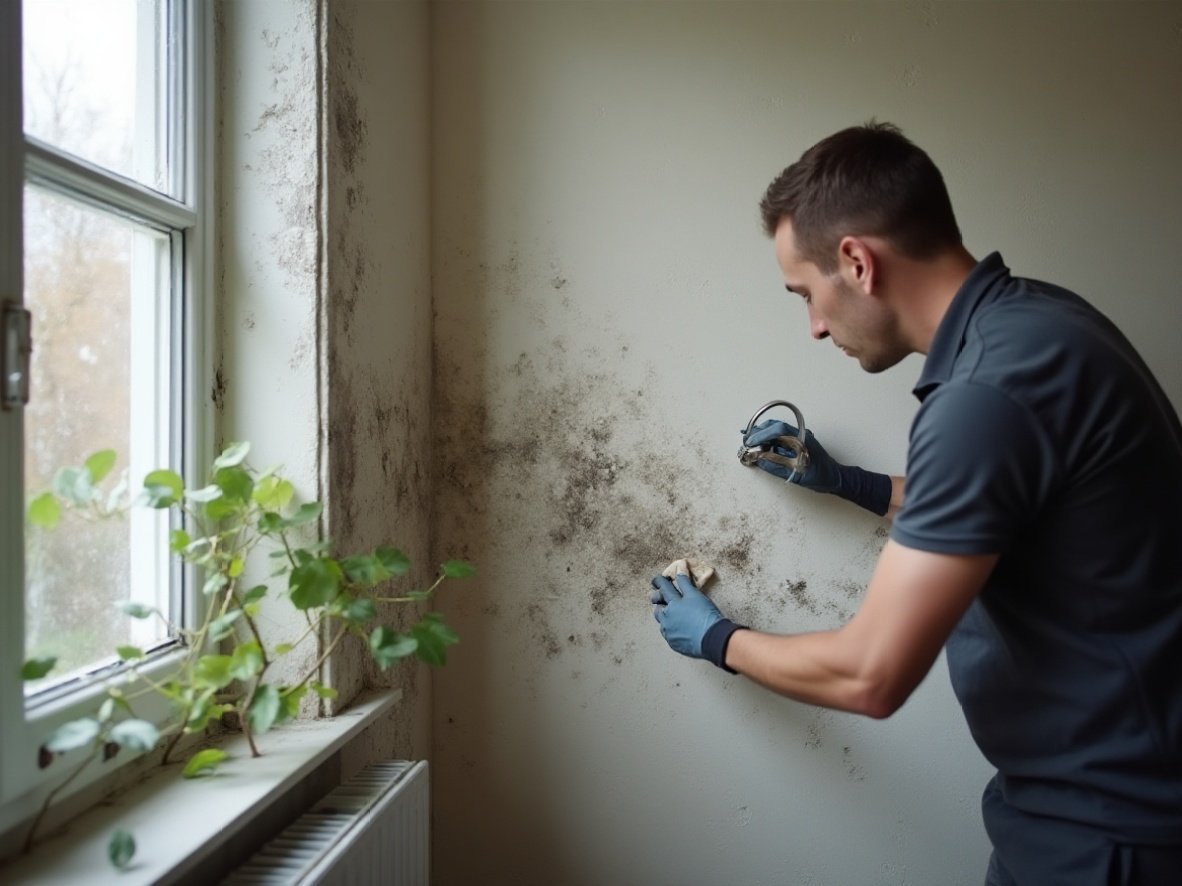
Proper Cause Detection
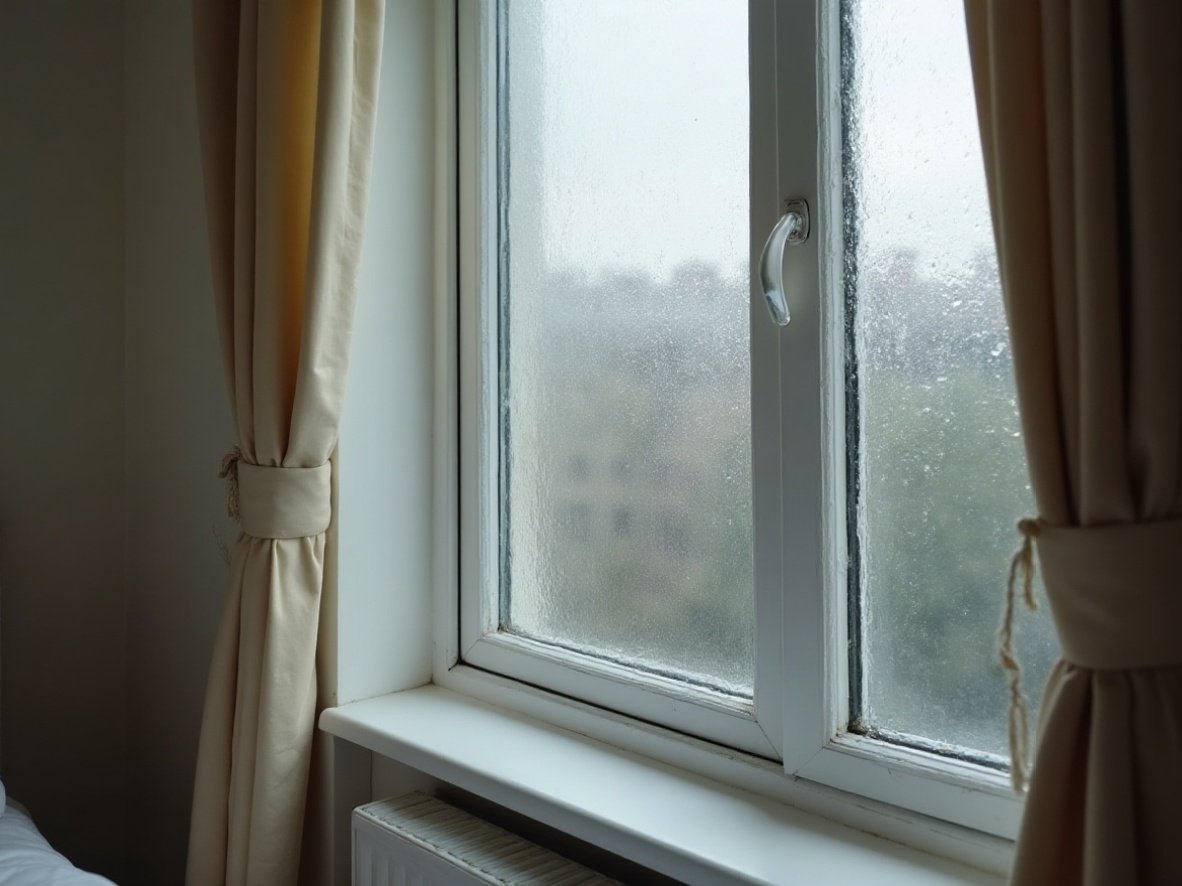
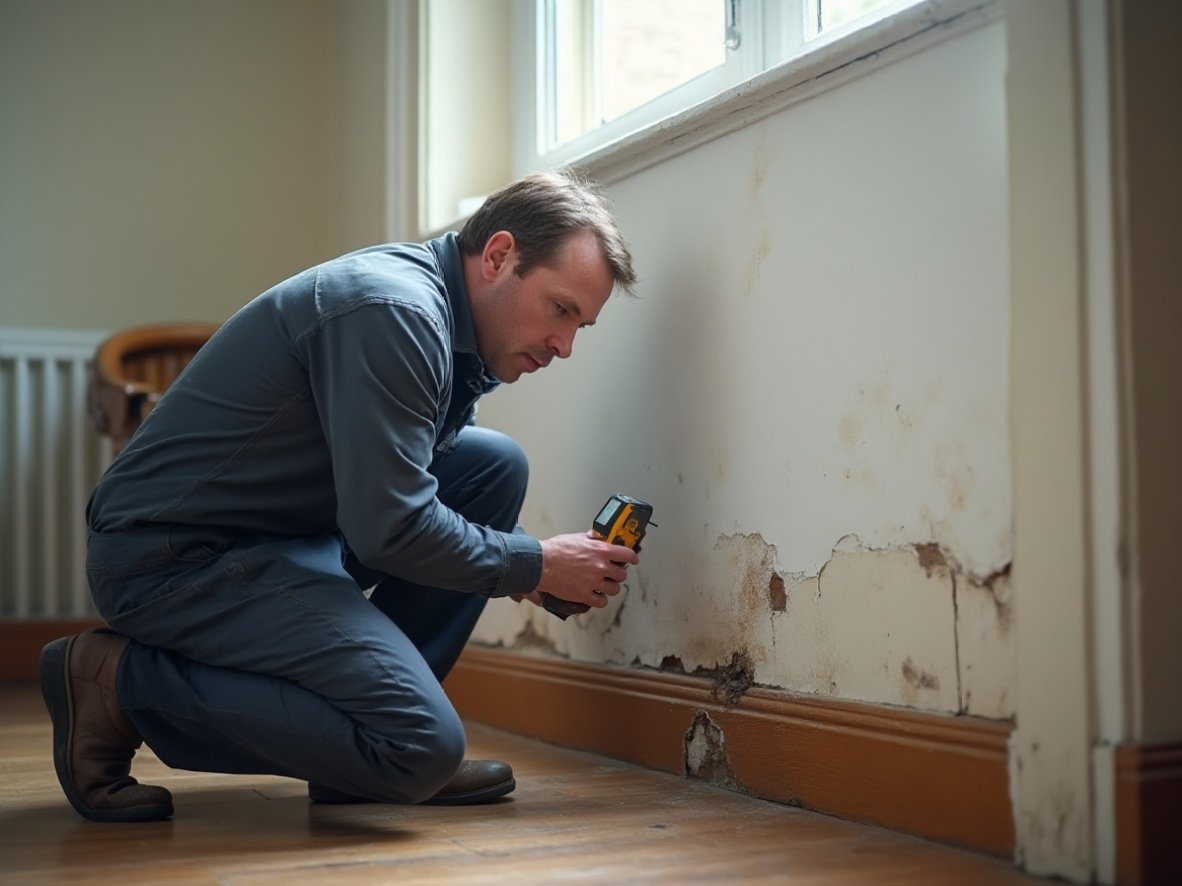
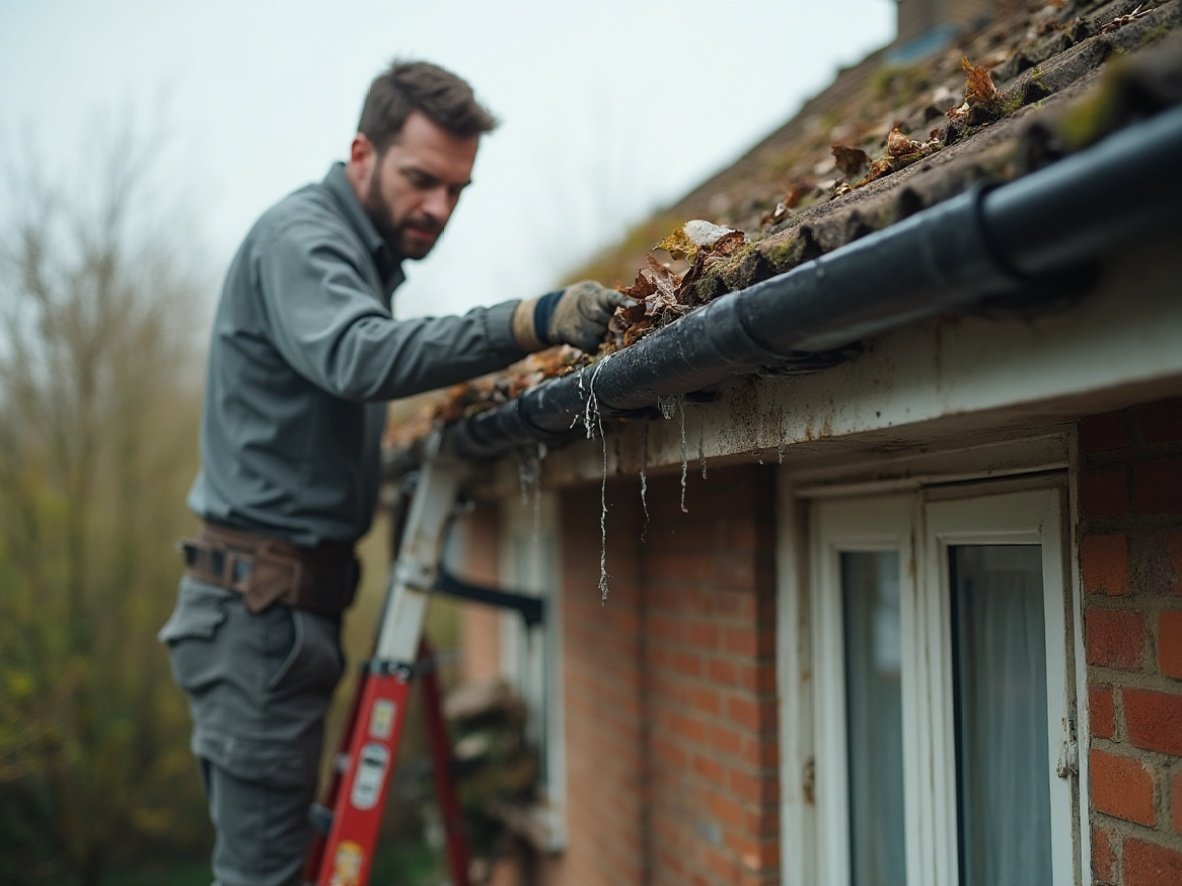
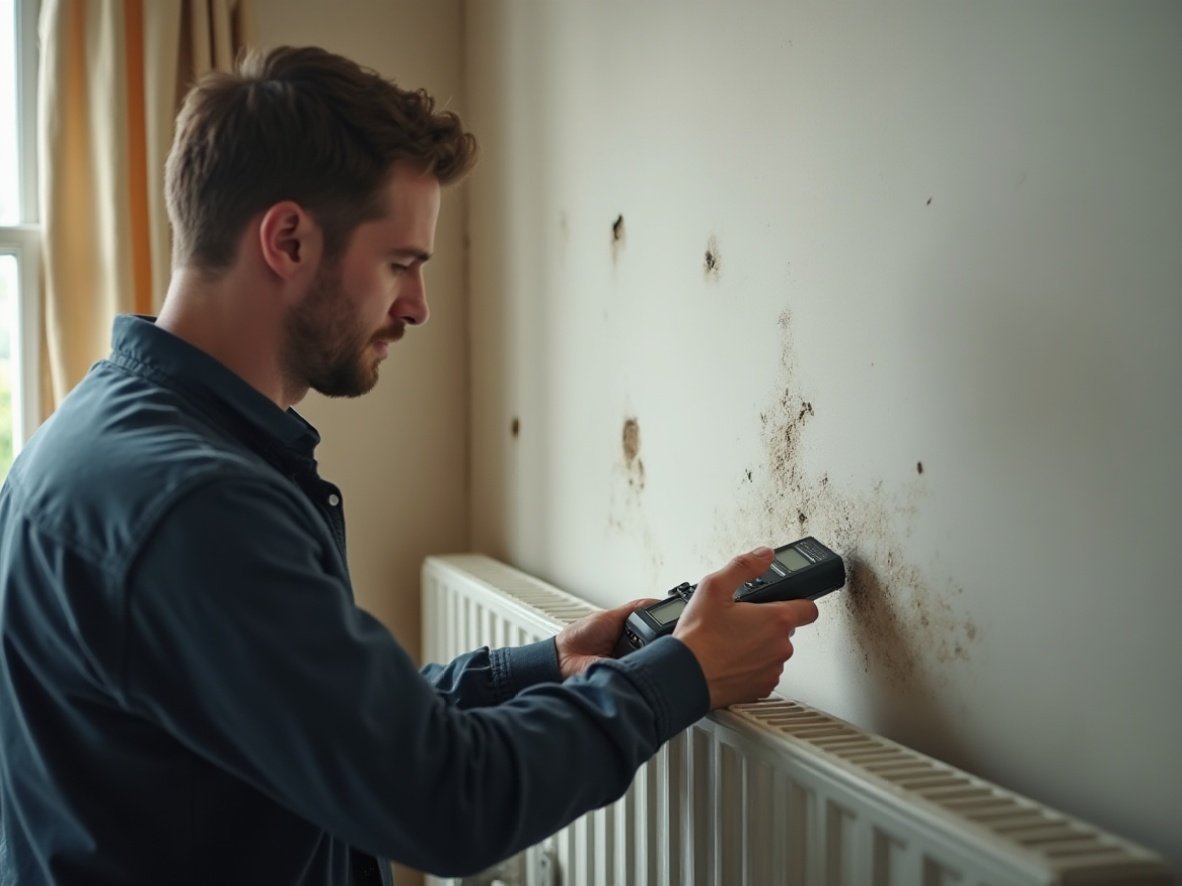
We don’t just remove visible mould. We identify whether it’s condensation, damp, or a hidden leak before treating it.
Mould doesn’t just appear on its own — it usually comes back when the underlying moisture hasn’t been dealt with. In many London properties, surface cleaning only removes what you can see, not what’s causing it. At Mould Inspection London, we focus on proper treatment that reflects how the problem behaves in your space. This means looking at the affected area, how moisture builds up, and what needs to change to stop it returning.
✔ Treat visible mould on walls, ceilings, and problem areas
✔ Identify moisture sources linked to recurring growth
✔ Use appropriate methods based on surface and severity
✔ Provide clear guidance to prevent mould coming back



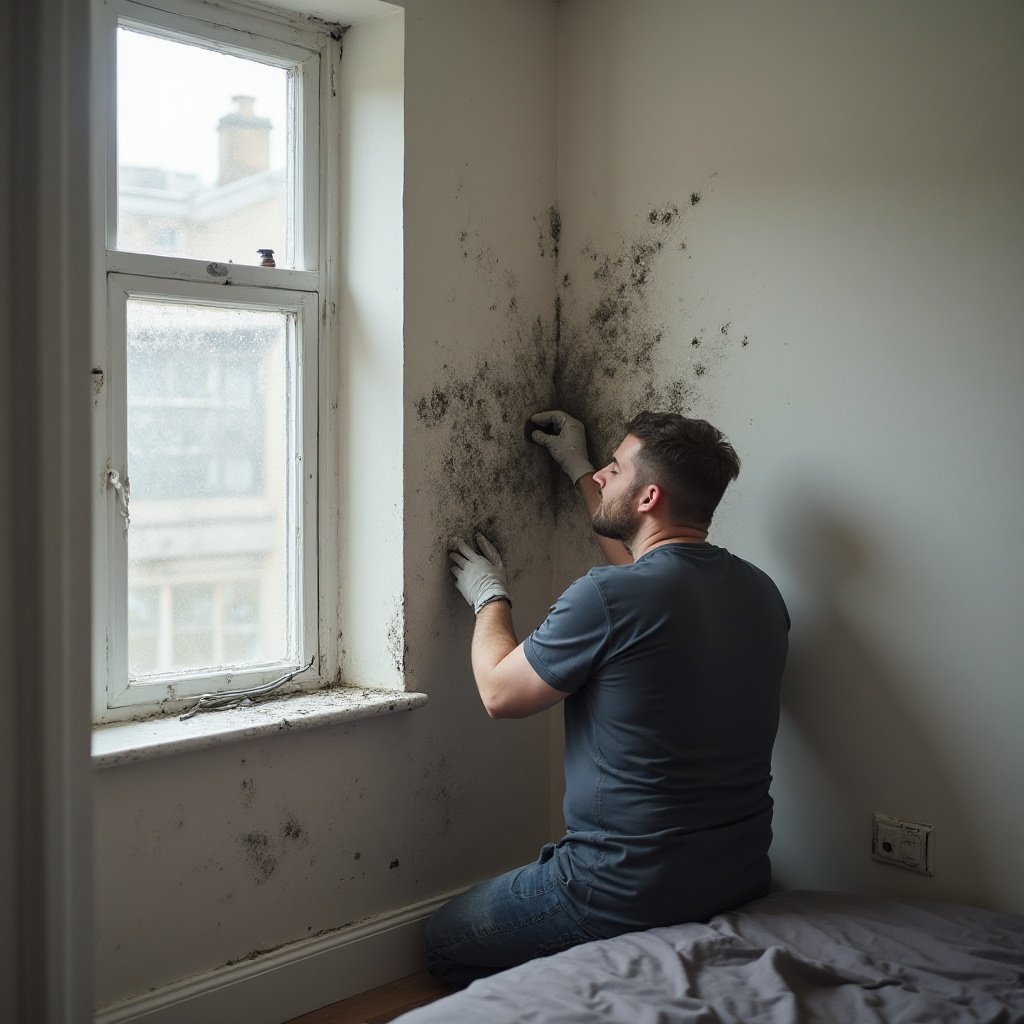
Mould issues rarely come from a single cause, which is why quick fixes don’t tend to last. At Mould Inspection London, the focus is on dealing with what’s actually happening in your property rather than just removing the visible marks. That starts with understanding how moisture is building up and where it’s settling.
In many London homes, mould forms in specific spots — corners of rooms, around windows, or behind furniture placed against external walls. These are areas where airflow is limited and surfaces stay cooler. We often see cases where mould has been cleaned multiple times but keeps returning because the conditions behind it haven’t changed.
A recent job in Brixton involved a bedroom where mould kept appearing along the same section of wall. It had been wiped down several times, but the issue came back within weeks. After checking the room properly, it became clear that moisture was building up overnight and not drying out due to restricted airflow behind a wardrobe. Once that was addressed alongside treatment, the problem stopped repeating.
Our approach is practical and based on how properties behave in real use. We don’t assume every case is the same. Some require straightforward removal and minor adjustments, while others involve identifying deeper moisture issues that need attention before any treatment will hold.
When carrying out mould removal, we look at the condition of the surface, how far the mould has spread, and whether it has affected paint or plaster. In lighter cases, treatment can be completed within a single visit. Where the problem is more established, additional steps may be needed, and that’s explained clearly before any work is done.
We also consider how the space is used. Heating patterns, ventilation, and daily activities all influence how moisture builds up. Small changes in these areas can make a significant difference over time, especially in flats where airflow is naturally more limited.
Not every situation requires extensive work. In some cases, once the cause is identified, the solution is relatively simple. In others, the inspection highlights that the issue is part of a wider damp or ventilation problem that needs a different approach.
The aim is to give you a clear understanding of what’s happening in your property and what needs to be done next. That way, you’re not left repeating the same treatment or dealing with the same issue again a few weeks later.

Mould kept coming back behind our wardrobe no matter how many times we cleaned it. The technician explained it was condensation getting trapped against the wall. After the treatment and moving the furniture slightly, it hasn’t returned.
Booked them after trying to deal with it myself for months. What I liked is they didn’t just clean it and leave — they explained why it was happening and what to change. Feels properly resolved now.
We had mould on the ceiling near the bathroom and thought it was just poor cleaning. Turned out the extractor fan wasn’t working properly. They sorted the mould and explained what needed fixing.
I was expecting a quick clean, but they pointed out a small leak I hadn’t noticed. That explained why the mould kept coming back. Glad we dealt with it properly instead of just covering it up again.
The mould around our windows was getting worse every winter. The visit was straightforward, no overcomplicating things. They treated the areas and explained how to manage condensation better. Big improvement since.
We had a constant musty smell in the bedroom and didn’t realise it was mould starting in the corner. They didn’t rush the job — first checked the room properly, then treated the area. Also gave practical advice that actually made sense.
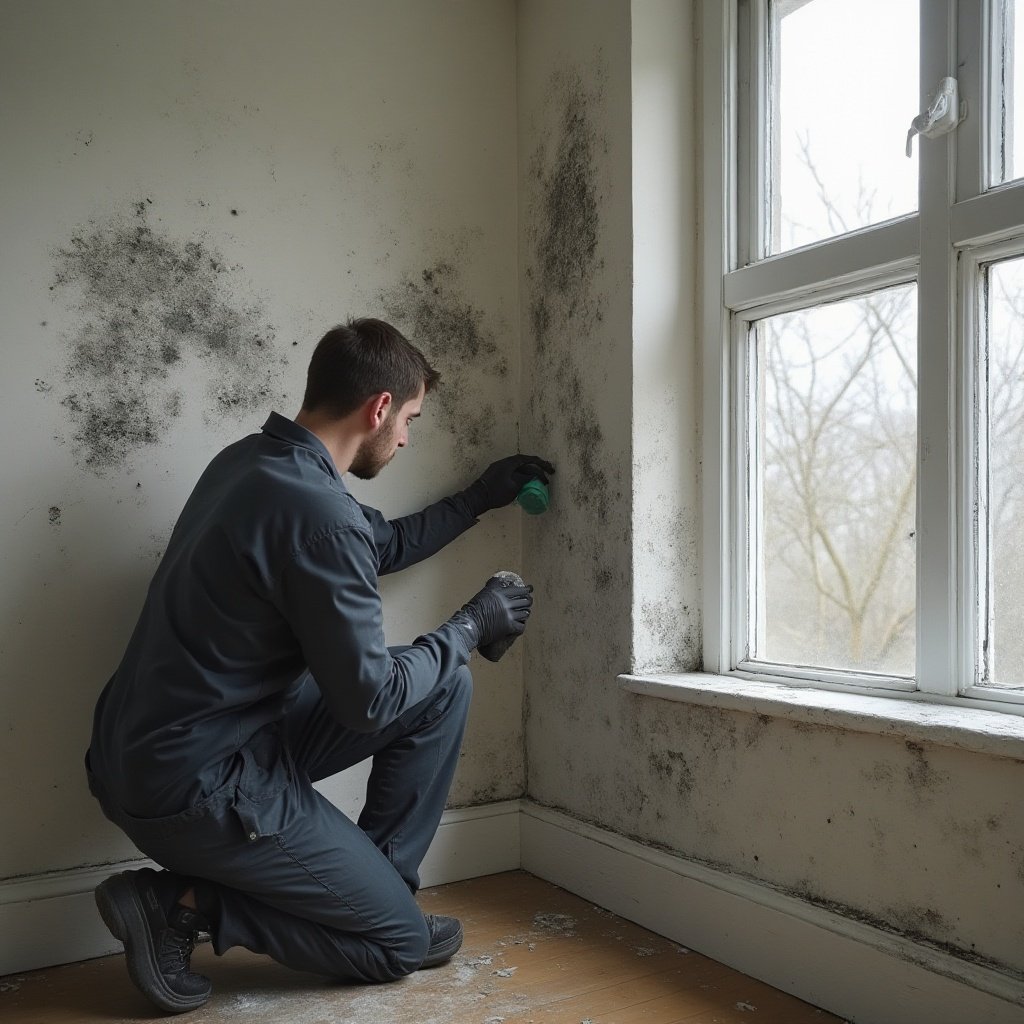
Once mould has been treated properly, the most noticeable change is that the affected areas stop returning to the same condition. Instead of seeing the same patches reappear after a few weeks, surfaces remain stable because the conditions that allowed mould to grow have been addressed.
In practical terms, this means walls and ceilings begin to stay dry for longer periods. The air in the room often feels different as well — that damp or musty smell that tends to linger usually fades once the moisture build-up is under control. In many London homes, this is one of the first things people notice after the work has been carried out.
Visually, treated areas should no longer show active mould growth. Depending on the surface and how long the problem has been there, some marks may still be visible initially, especially if the mould has affected paint or plaster. In these cases, further cosmetic work like repainting might be needed, but only after the surface has fully stabilised.
It’s also important to understand that results depend on the cause being addressed. If the issue was linked to condensation, improvements in airflow and heating will play a role in maintaining the outcome. If it was related to external moisture or a hidden leak, stopping that source is what prevents the problem from returning.
We often see that once the underlying issue is identified and handled, the property behaves more predictably. Areas that previously felt colder or damp start to dry more consistently, and the contrast between different parts of the room becomes less noticeable.
Another result people don’t always expect is how small adjustments can make a long-term difference. Moving furniture slightly away from walls, improving ventilation in certain areas, or using heating more evenly can help maintain the condition of treated surfaces.
There are also situations where mould removal highlights a larger issue. For example, if damp is present within the structure, the treatment may reduce visible mould, but further work might be needed to fully resolve the problem. This is something we always make clear during the process, so expectations are realistic from the start.
Overall, the aim is not just to remove mould but to create conditions where it doesn’t keep coming back. That’s what defines a successful result over time.
Recurring Mould Solved
We regularly deal with mould that keeps coming back — identifying the real cause before treating it properly.
Cause, Not Just Cleaning
We don’t just remove surface mould. We check moisture levels, airflow, and hidden issues behind the problem.
Built for London Homes
From compact flats to older properties, we understand how mould develops in real London living conditions.
Clear, Practical Advice
You’ll know exactly what caused the issue and what needs to change to stop it returning.